

Things to Do in Venice: A Travel Guide for First-Time Visitors
With its canals, historic palaces, squares and unique urban fabric, Venice is one of Italy's most distinctive travel destinations. In this guide to Venice's top sights you will find the essentials, from how many days to stay and transport options to lagoon islands such as Murano and Burano.
Things to Do in Venice: The List
Venice's top sights are quite different from those of a classic European city. In the historic centre, shaped by canals, bridges and narrow streets instead of road traffic, many key sights can be explored on foot or by water.
The table below lists the 20 places in this guide by area, with the approximate time you should allow; each row takes you to the relevant section.
| Place | Area | Suggested time | Note |
|---|---|---|---|
| St Mark's Square | San Marco | 1 hour | — |
| St Mark's Basilica | San Marco | 1–1.5 hours | Dress code applies |
| Doge's Palace | San Marco | 2 hours | Includes the Bridge of Sighs |
| Rialto Bridge | San Polo | 30 min | — |
| Grand Canal | Whole city | 45 min (vaporetto) | Vaporetto ride |
| Cannaregio | Cannaregio | Half a day | Cicchetti bars |
| Murano and Burano | Lagoon islands | Full day | By vaporetto |
| Bridge of Sighs | San Marco | 15 min | — |
| St Mark's Campanile (bell tower) | San Marco | 30–45 min | Views by lift |
| Accademia Gallery and Accademia Bridge | Dorsoduro | 2 hours | Sunset views |
| Santa Maria della Salute | Dorsoduro | 45 min | — |
| Peggy Guggenheim Collection | Dorsoduro | 1.5 hours | — |
| Rialto Market | San Polo | 30–45 min | Morning |
| Scala Contarini del Bovolo | San Marco | 30 min | — |
| Frari Basilica | San Polo | 45 min | — |
| San Giorgio Maggiore | San Giorgio island | 1 hour | View from across the water |
| La Fenice Opera House | San Marco | 45 min | — |
| Dorsoduro and the Zattere | Dorsoduro | 1 hour | — |
| Lido | Lagoon islands | Half a day | Beach |
| Torcello | Lagoon islands | 2 hours | — |
St Mark's Square
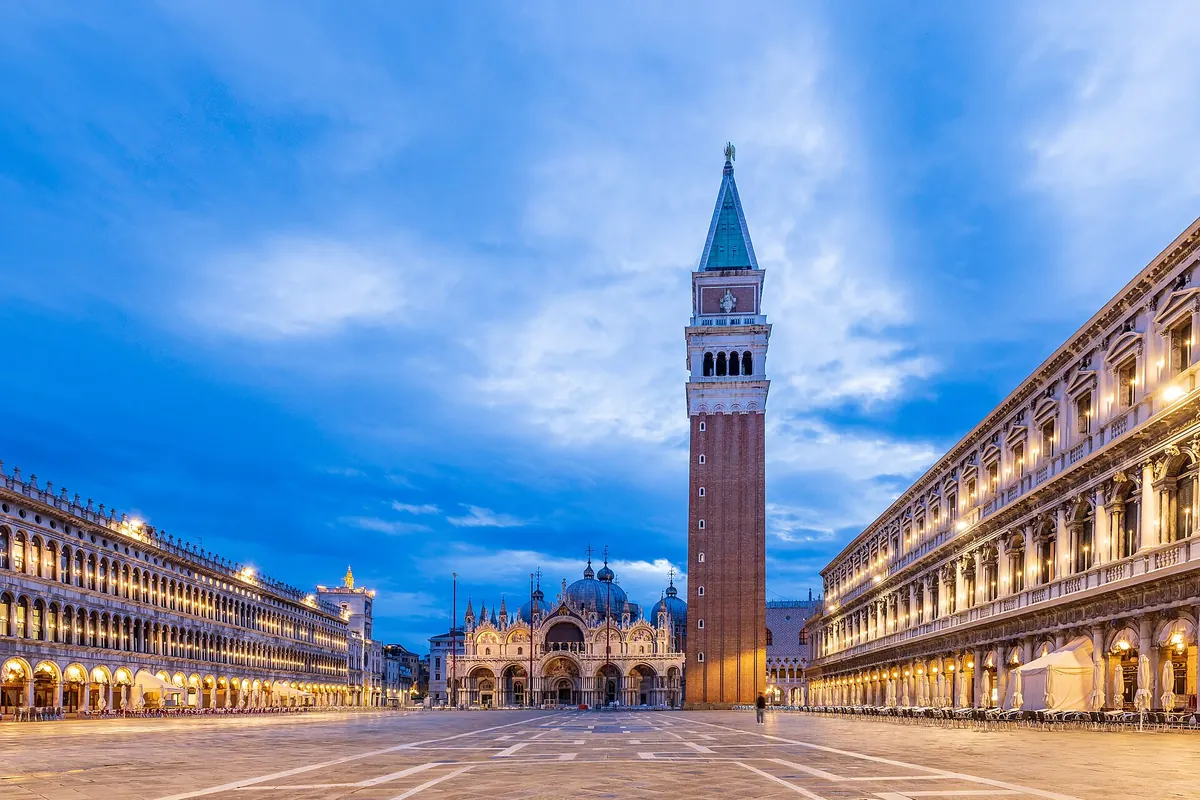
Venice's best-known square, Piazza San Marco, lets you see several of the most important buildings in the historic centre in one place.
St Mark's Basilica, the Doge's Palace and the Campanile are the main buildings around the square.
The arcaded buildings around the square house historic cafés that have been open since the 18th century. On the two columns where the square opens onto the lagoon stand the lion of St Mark, the city's patron saint, and the statue of St Theodore.
Tip: Seeing the square early in the morning, before the crowds arrive, gives you the best photos.
St Mark's Basilica
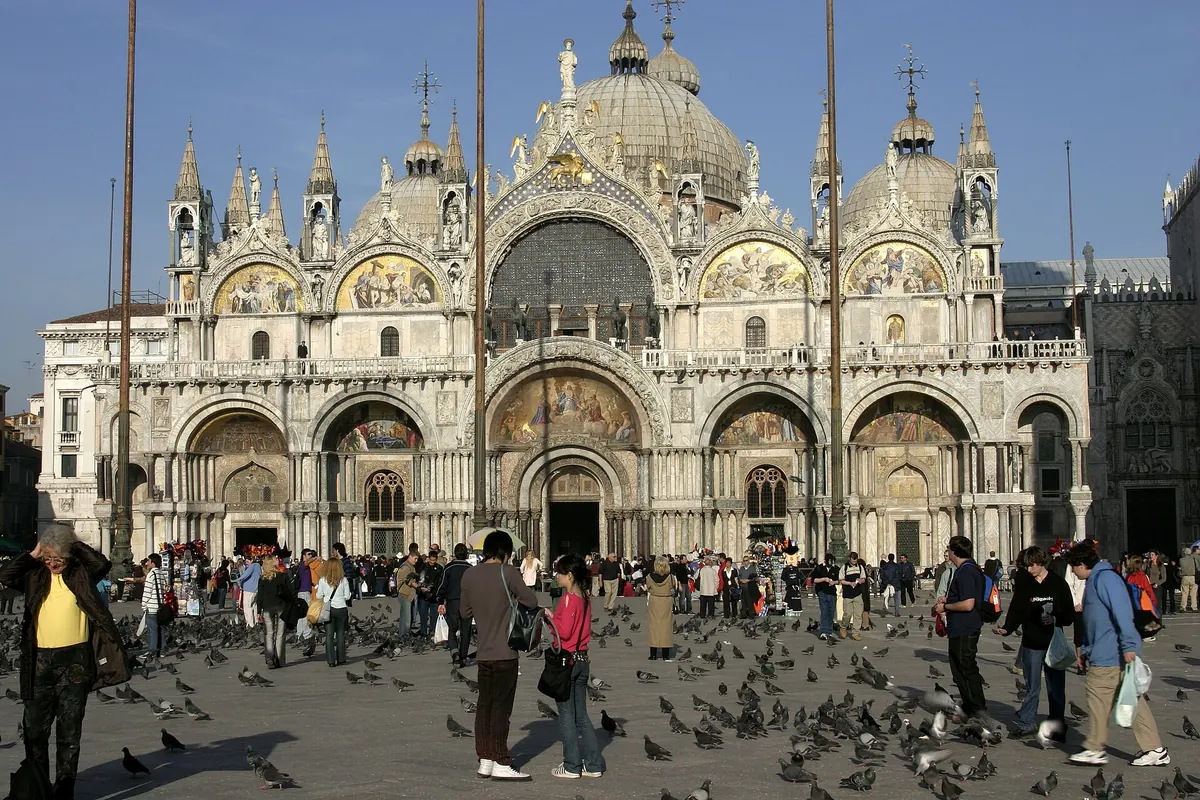
One of the most striking buildings on St Mark's Square, the basilica, with its domes, mosaics and detailed facade, is one of Venice's landmark buildings.
Showing traces of Byzantine architecture, the basilica's interior is covered with gold-ground mosaics. The Pala d'Oro, an altarpiece worked in gold and precious stones, and the terrace with the bronze horses (Loggia dei Cavalli) can be visited separately.
Tip: The basilica is open Monday to Saturday from 09:30 to 17:15 (last entry 16:45); on Sundays and public holidays, tourist visits begin at 14:00. Shoulders and knees are expected to be covered.
Doge's Palace
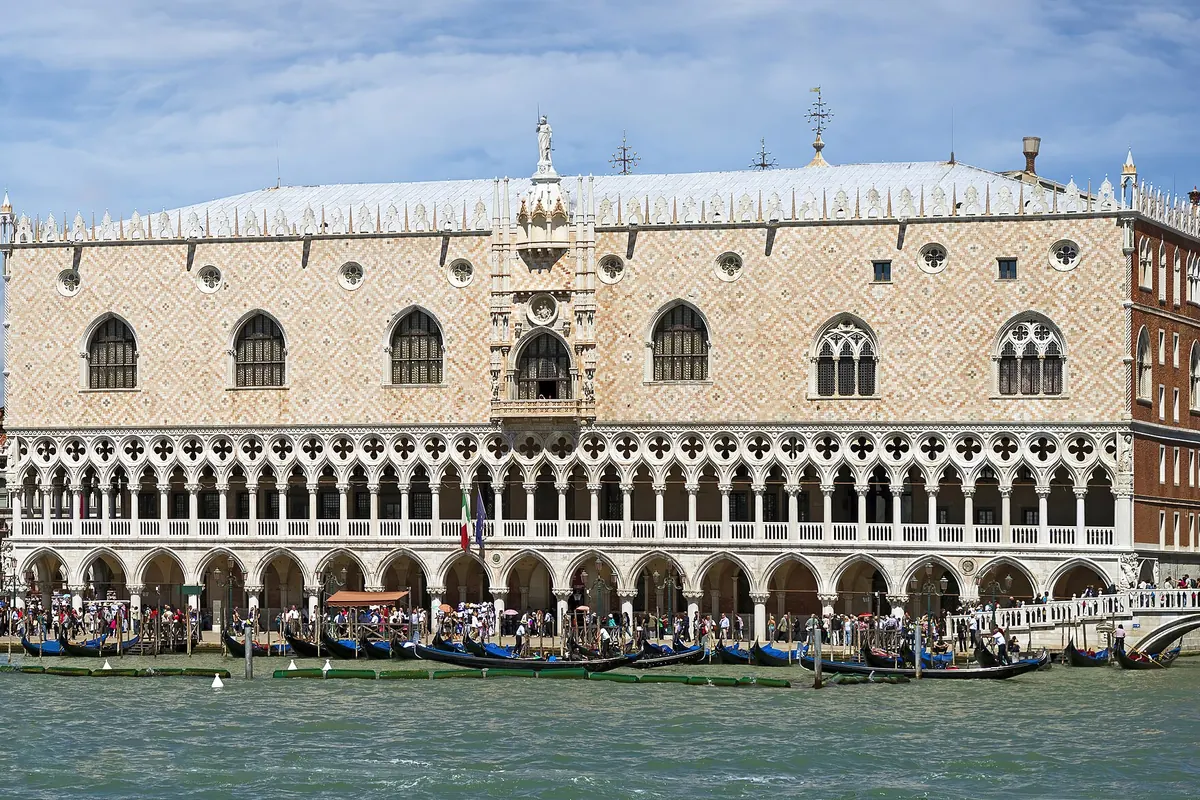
The seat of government of the Venetian Republic, the Doge's Palace, with its architecture and historic halls, is one of the city's key cultural stops.
As it is on St Mark's Square, it can be planned on the same day as the basilica.
The Hall of the Great Council in this Gothic palace with its pink and white marble facade houses Tintoretto's Paradise. The visitor route crosses the Bridge of Sighs and continues to the old prisons.
Tip: If you want to walk through the Bridge of Sighs, the Doge's Palace ticket route includes it.
Rialto Bridge
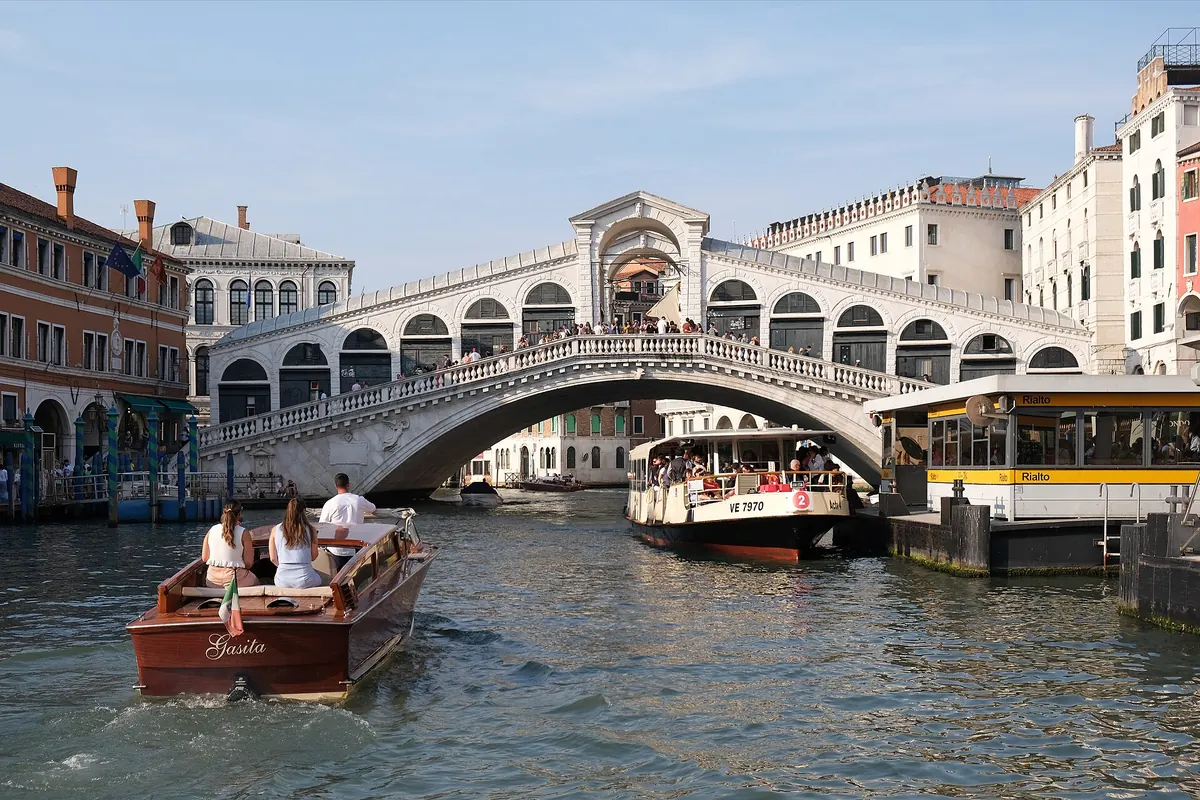
One of the best-known bridges on the Grand Canal, the Rialto is one of Venice's landmarks.
The bridge and the streets around it are among the most visited areas, both for city views and as a walking route.
The present stone bridge was completed in 1591; the rows of shops on it give the bridge its distinctive look.
Tip: For the best view of the bridge, look from the Riva del Vin on the canal bank or from a vaporetto.
Grand Canal
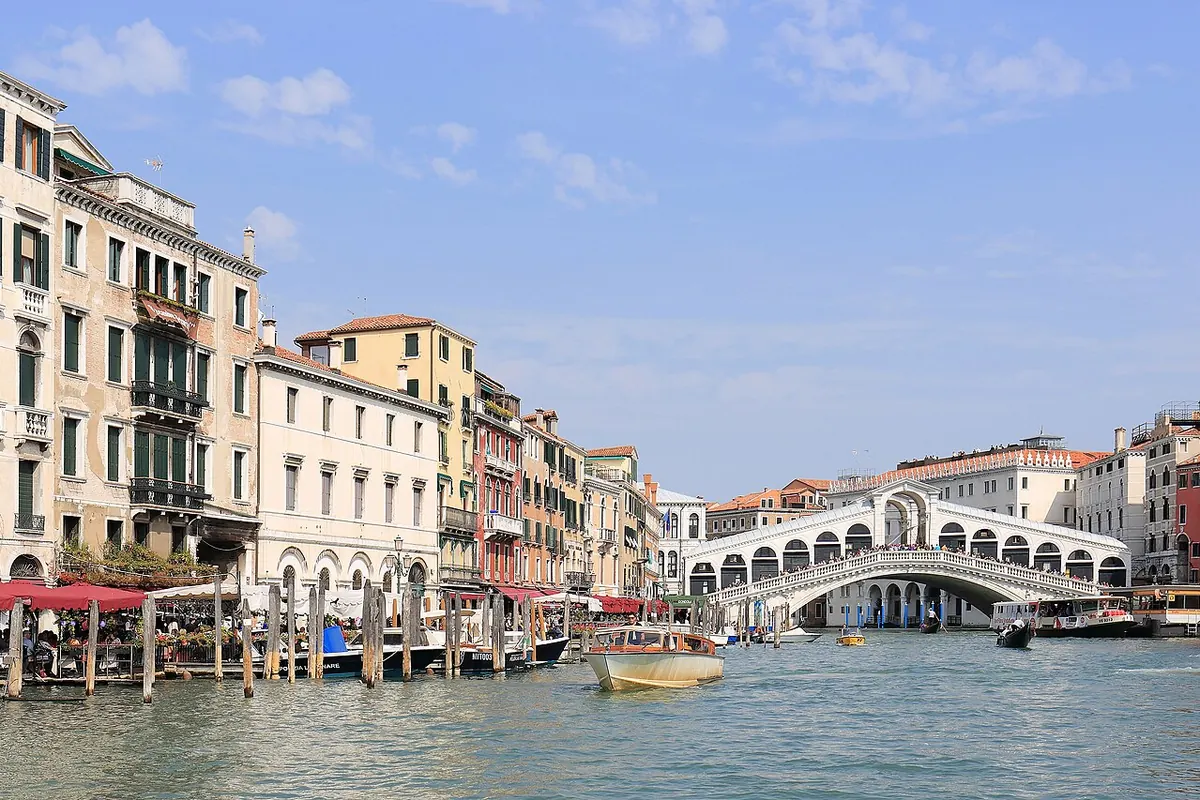
Running through Venice's historic centre, the Grand Canal is one of the city's most characteristic transport and sightseeing routes.
Along the canal you can see historic palaces and buildings from different periods. A vaporetto ride is a great way to see Venice from a different angle.
Dividing the city in two in a reverse S shape, the canal runs from the railway station to San Marco and is crossed by four bridges.
Tip: To see the whole canal, take the slow vaporetto line from the railway station to San Marco and sit in the open section at the front or back.
Cannaregio
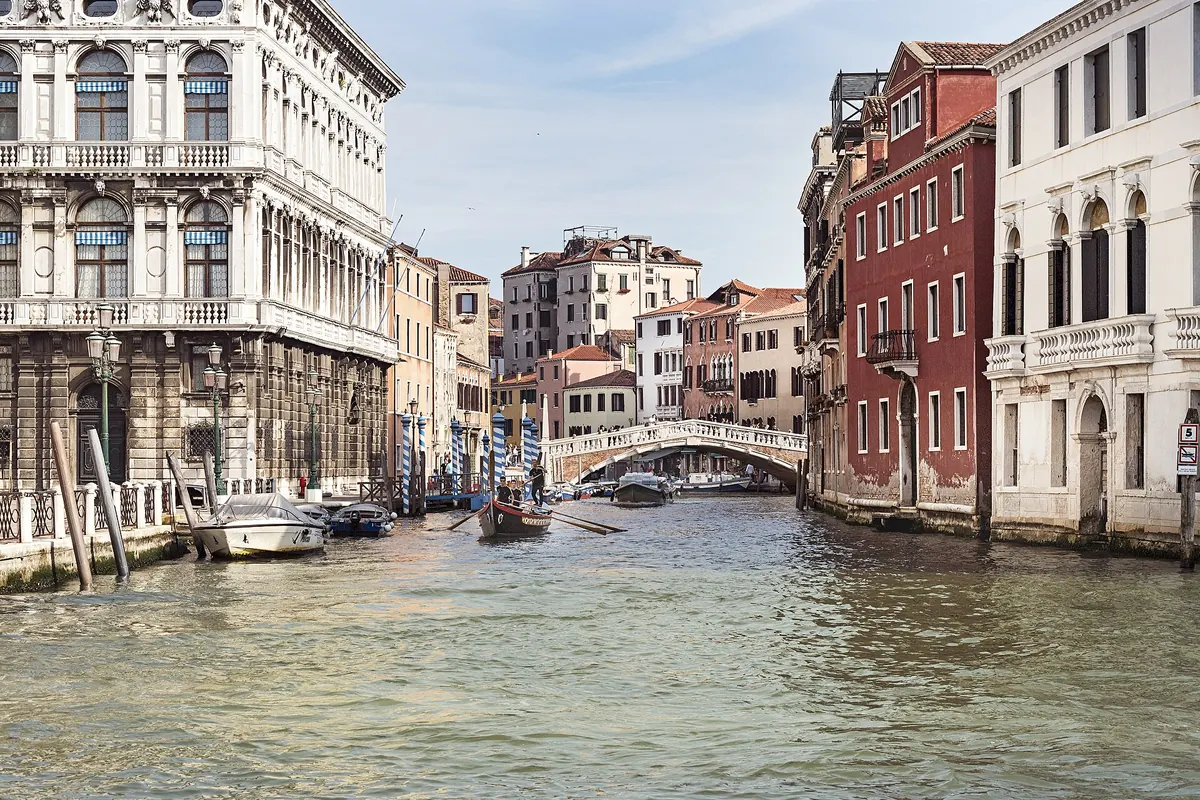
Cannaregio is one of the best areas to explore Venice's quieter streets and local atmosphere.
With its canals, historic buildings and small places to eat and drink, it offers a different city experience from the San Marco area.
The district's historic Jewish Quarter (the Ghetto) was established in 1516 and is known as the origin of the word "ghetto". In the evening, the cicchetti bars along the Fondamenta della Misericordia come alive.
Tip: For an early-evening cicchetti crawl, add the Fondamenta della Misericordia and the Fondamenta degli Ormesini to your route.
Murano and Burano
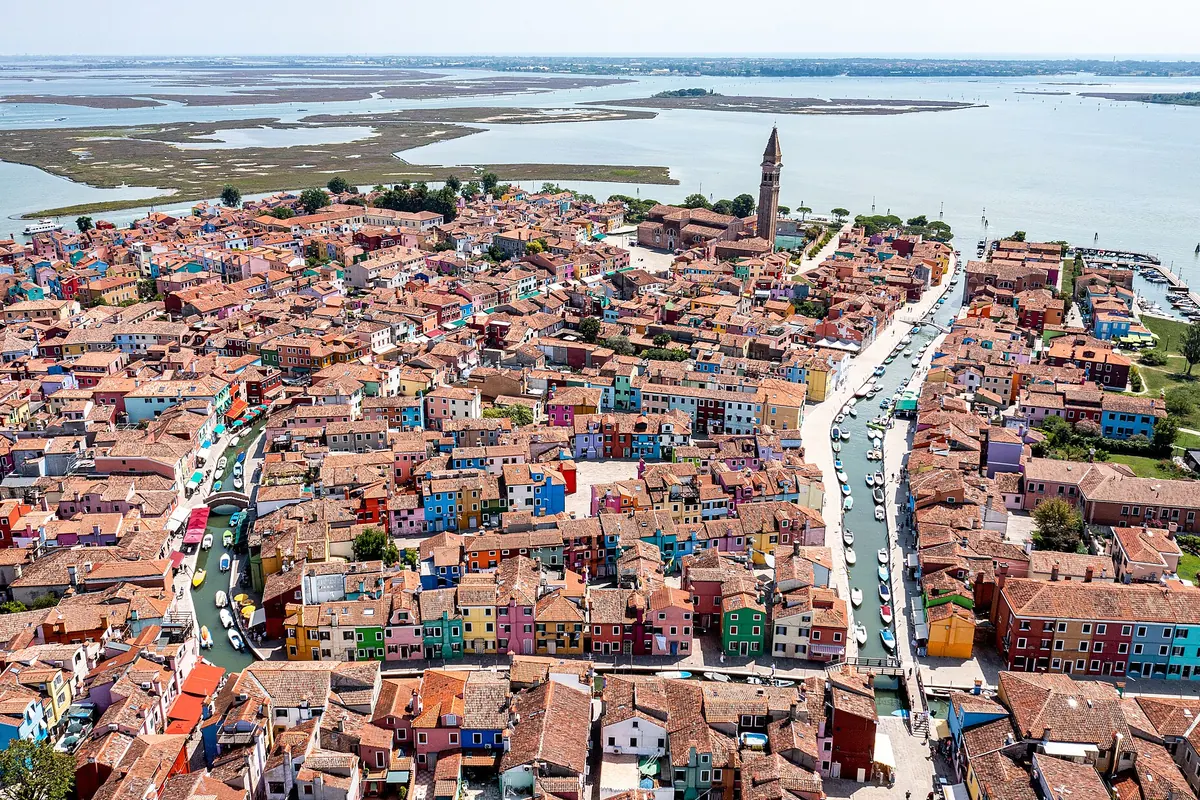
In the Venetian Lagoon, Murano is known above all for its glassmaking tradition, while Burano is known for its colourful houses and distinctive atmosphere.
For those spending two or more days in Venice, these islands are popular routes to consider outside the city centre.
In Murano, you can watch glassblowing demonstrations in the glass workshops and visit the Glass Museum; Burano is also known for its tradition of handmade lace.
Tip: If you go to the more distant Burano first and stop at Murano on the way back, you will make better use of the day.
Bridge of Sighs
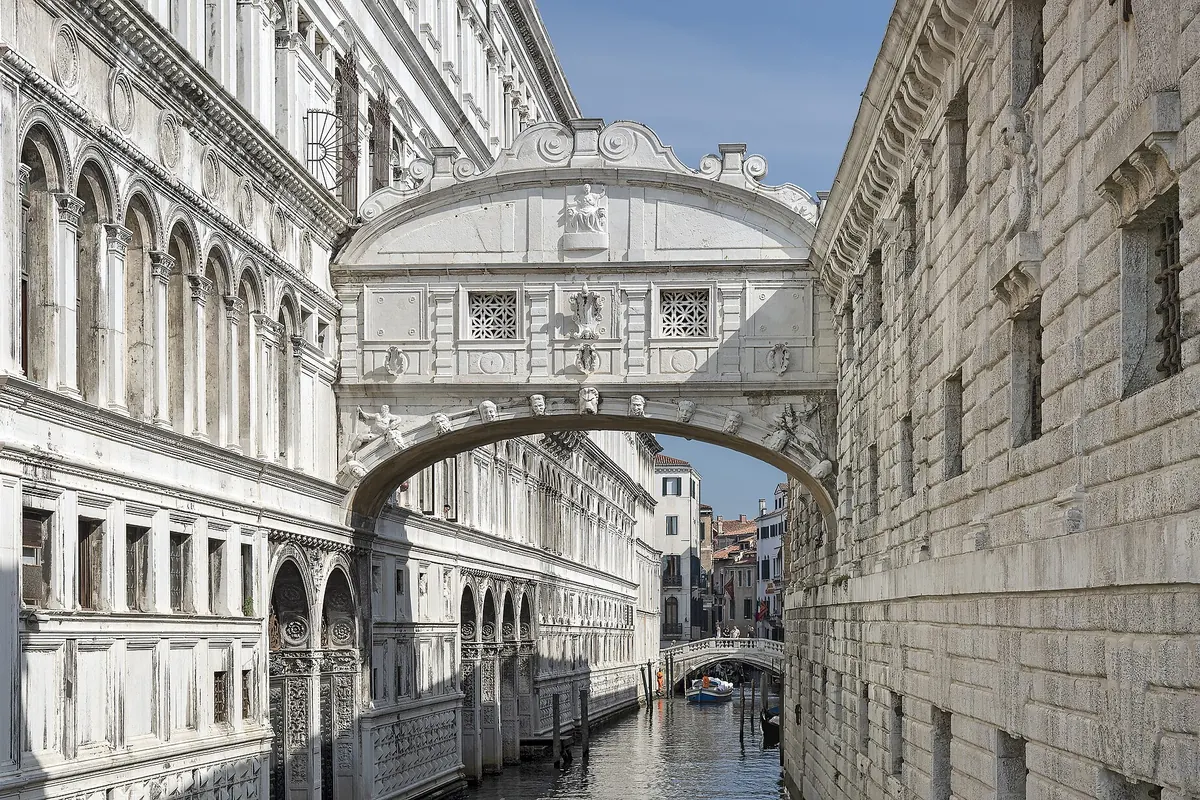
Next to the Doge's Palace, the Bridge of Sighs is one of Venice's best-known historic bridges.
It is one of the sights you can easily see while exploring the San Marco area.
Built in the early 1600s, the enclosed stone bridge links the Doge's Palace with the prison opposite. Its name is said to come from the sighs of prisoners as they saw Venice for the last time.
Tip: The classic photo of the bridge is taken from the Ponte della Paglia on the lagoon front.
St Mark's Campanile (bell tower)
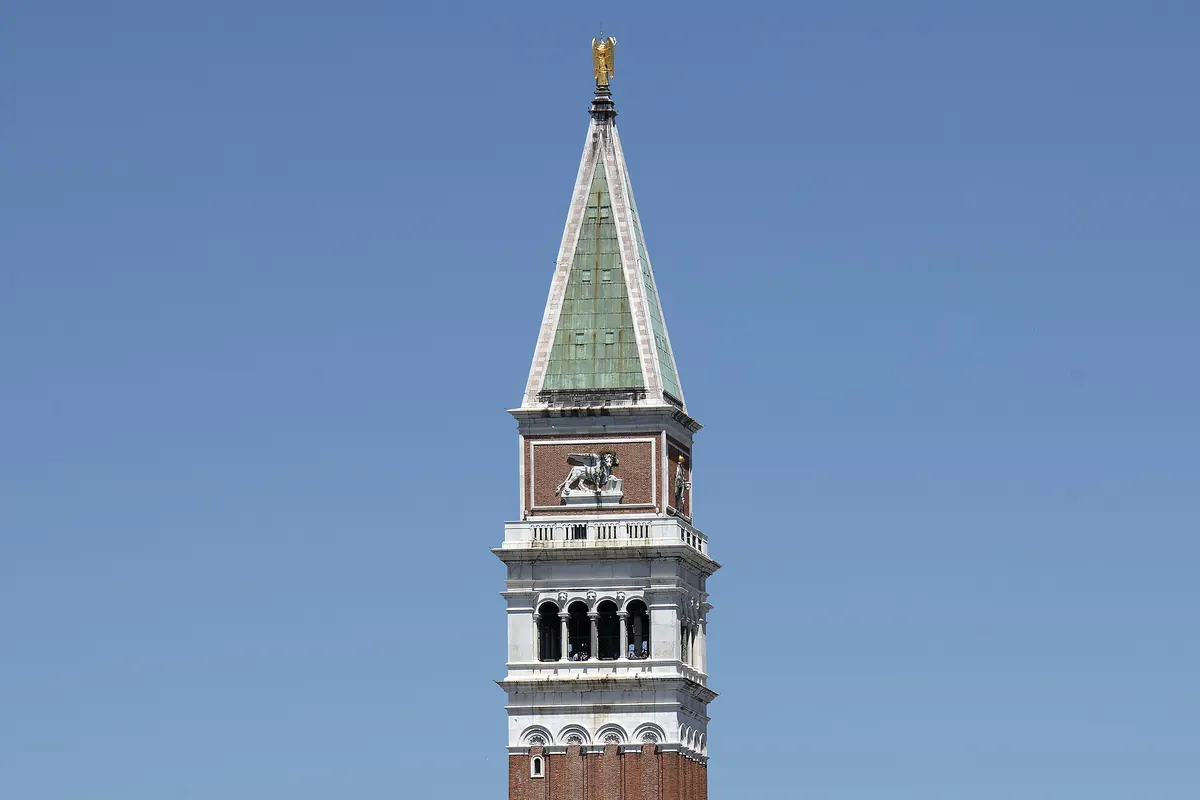
The bell tower, the symbol of the square, collapsed in 1902 and was rebuilt faithfully to the original, reopening in 1912.
From the top of the tower, reached by lift, St Mark's Square, the lagoon and the red-tiled roofs spread out in a wide panorama.
Tip: In clear weather, the view is sharper in the afternoon light; buy your ticket in advance to avoid the queue.
Accademia Gallery and Accademia Bridge
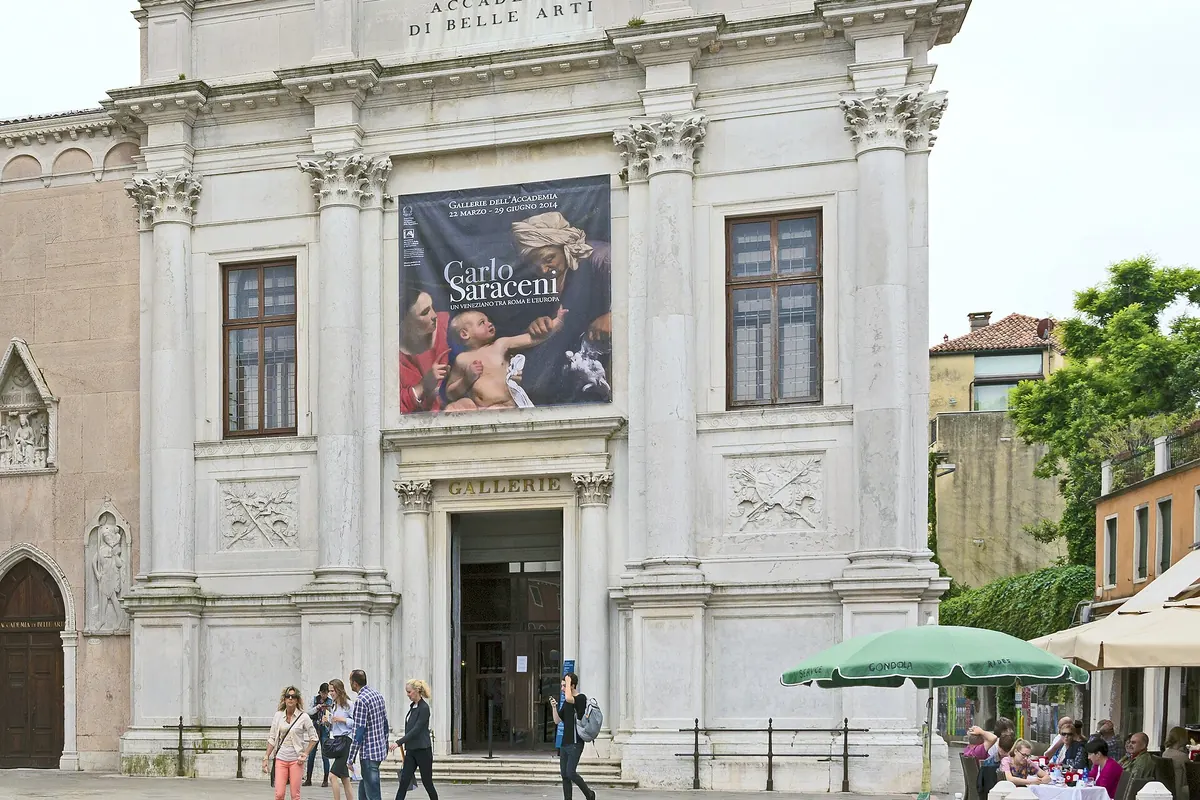
The Gallerie dell'Accademia has the most comprehensive collection of Venetian painting, with masters such as Bellini, Titian, Tintoretto and Veronese.
From the wooden Accademia Bridge in front of the gallery, you can enjoy one of the best-known views of the Grand Canal and Santa Maria della Salute.
Tip: A short stop on the bridge at sunset gives you one of Venice's most beautiful postcard views.
Santa Maria della Salute
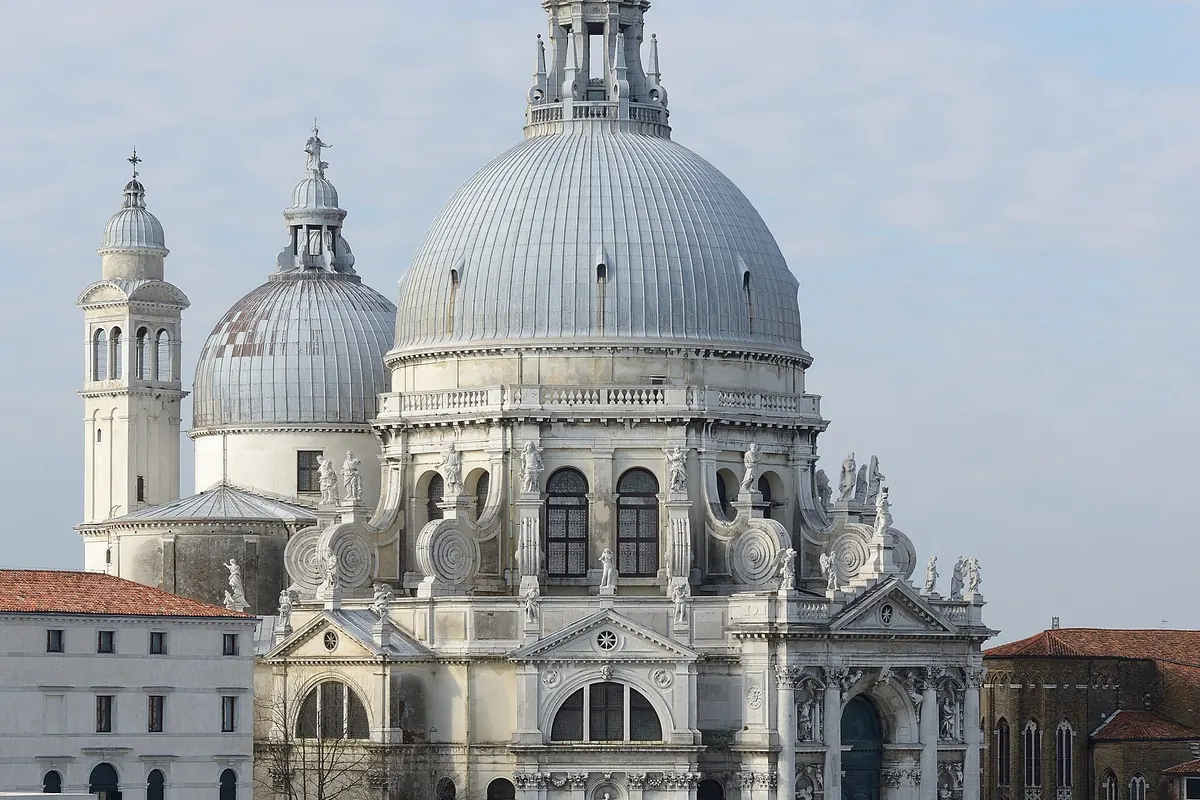
Built as a votive offering after the end of the plague of 1630, the basilica, with its white dome at the entrance to the Grand Canal, is one of the symbols of the Venice skyline.
Designed by the architect Baldassare Longhena, the building's sacristy holds works by Titian and Tintoretto.
Tip: You can take a shortcut across the canal from San Marco on one of the gondola ferries (traghetto).
Peggy Guggenheim Collection
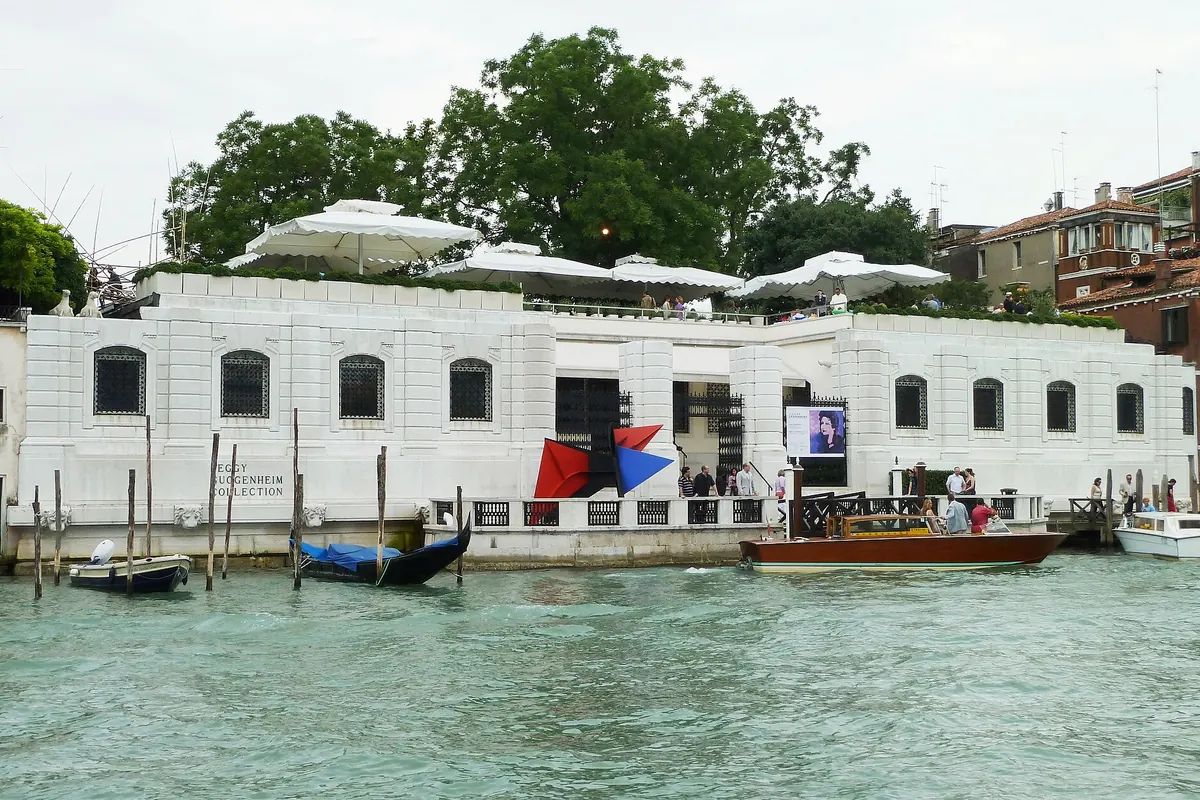
Housed in the Palazzo Venier dei Leoni on the Grand Canal, the collection, with names such as Picasso, Pollock, Dalí and Kandinsky, is one of Italy's most important modern art museums.
The museum's sculpture garden and its terrace overlooking the canal are also part of the visit.
Tip: It fits into the same Dorsoduro walk as the Accademia and the Salute.
Rialto Market
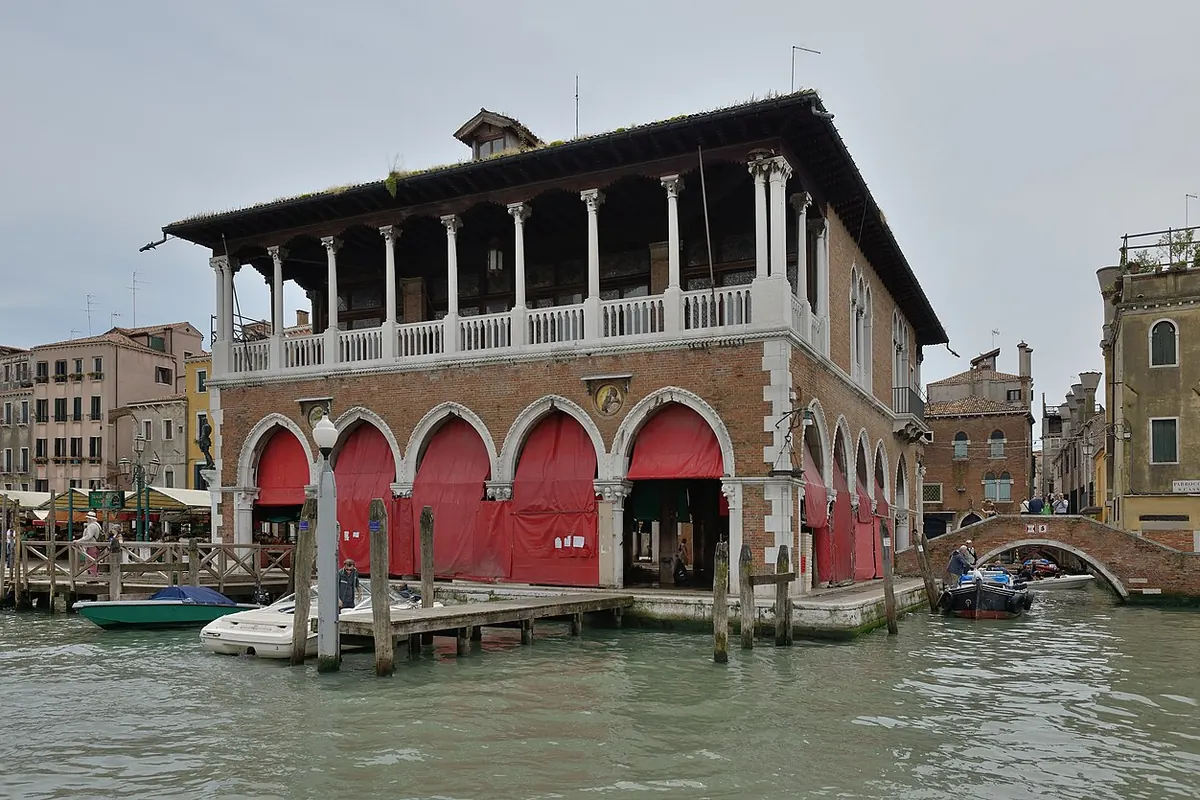
Right next to the Rialto Bridge, the historic market, with its fish and vegetable stalls in the morning, is one of the places that shows local Venetian life most closely.
The neo-Gothic fish market building (Pescheria) and the bàcari around it are good for a morning coffee or early cicchetti.
Tip: The market is lively in the morning; the stalls are packed up in the afternoon.
Scala Contarini del Bovolo
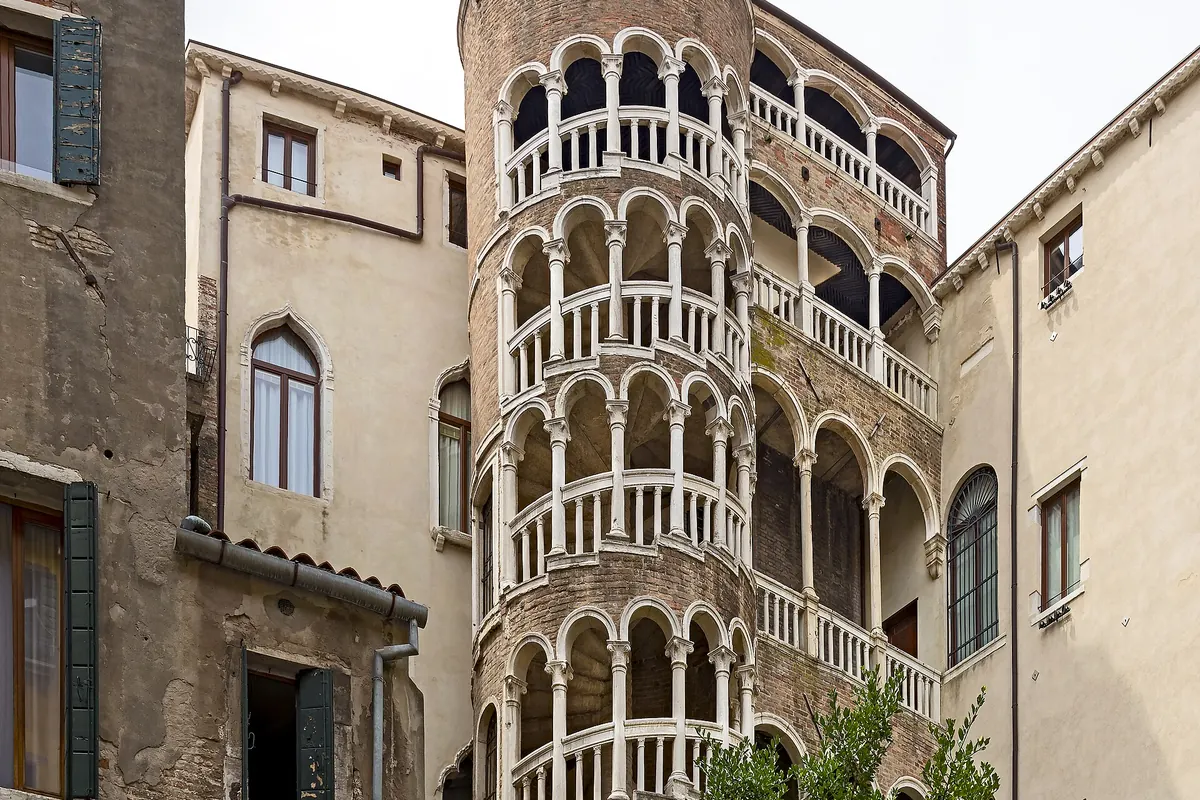
Hidden in a narrow courtyard, this 15th-century building, with its arched spiral staircase on the outside, is one of the most photogenic corners of Venice.
The loggia at the top of the staircase offers a peaceful view over the rooftops of the San Marco area.
Tip: It lies between San Marco and the Rialto, a few minutes' detour from the main walking route.
Frari Basilica
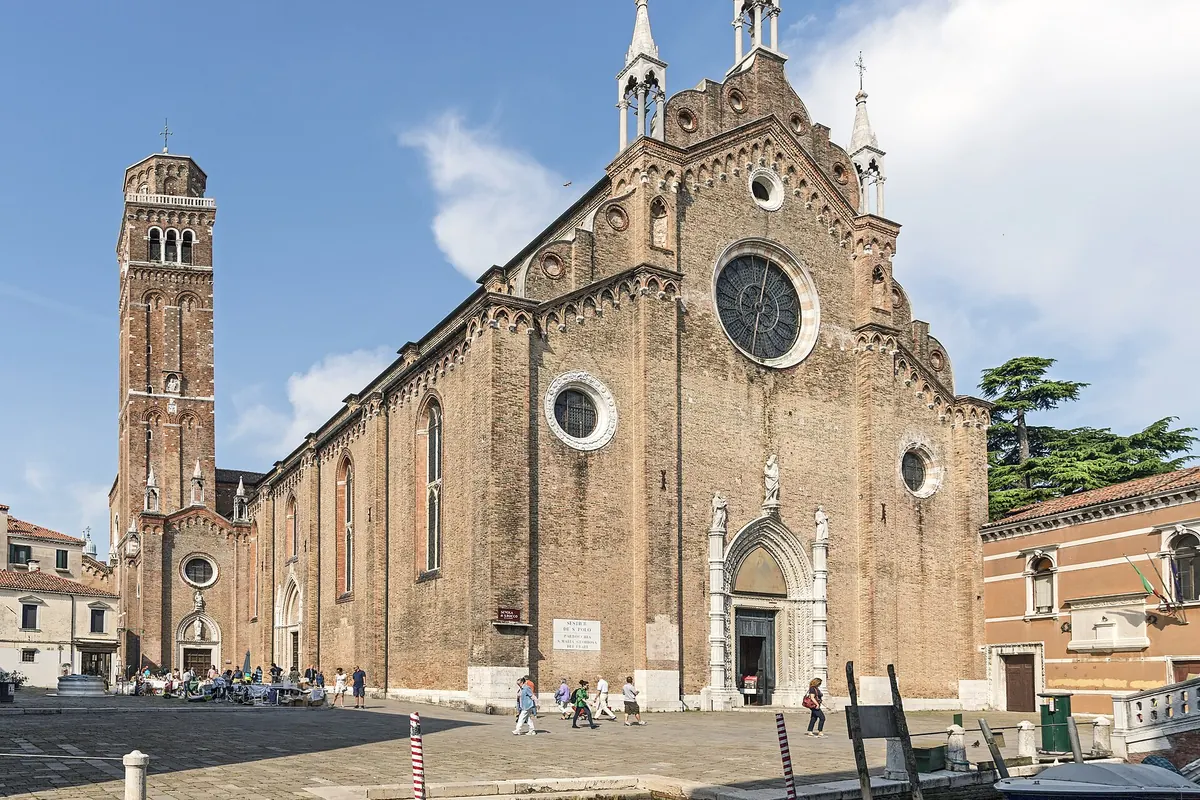
Santa Maria Gloriosa dei Frari is one of the largest churches in Venice. Titian's Assumption of the Virgin on the high altar is the basilica's most famous work.
Titian's monumental tomb and the pyramid-shaped monument made for Canova are also in this basilica.
Tip: It is a 10–15-minute walk from the Rialto through the streets of San Polo.
San Giorgio Maggiore
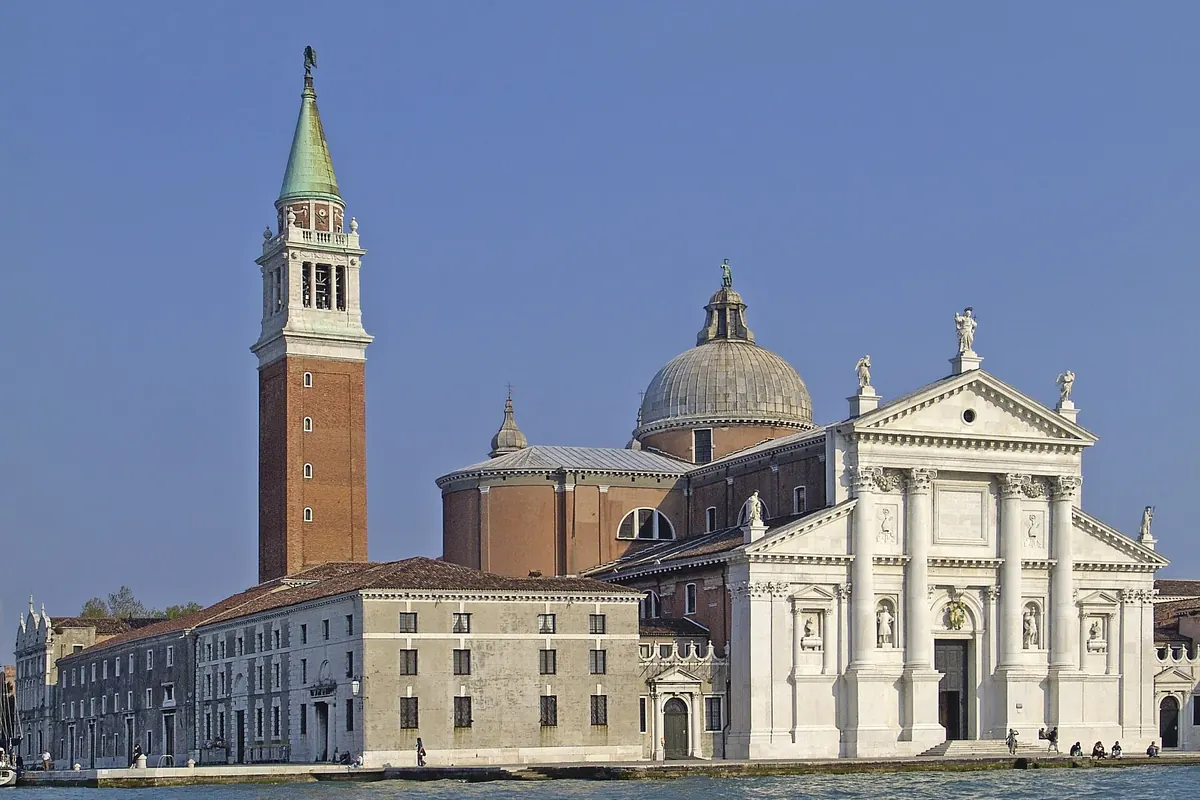
On the small island opposite San Marco, the church was designed by Andrea Palladio and is known for its white facade reflected in the lagoon.
From the church's bell tower, you can see St Mark's Square and the Doge's Palace from across the water, without the crowds.
Tip: It is a few minutes from San Marco to the island by vaporetto.
La Fenice Opera House
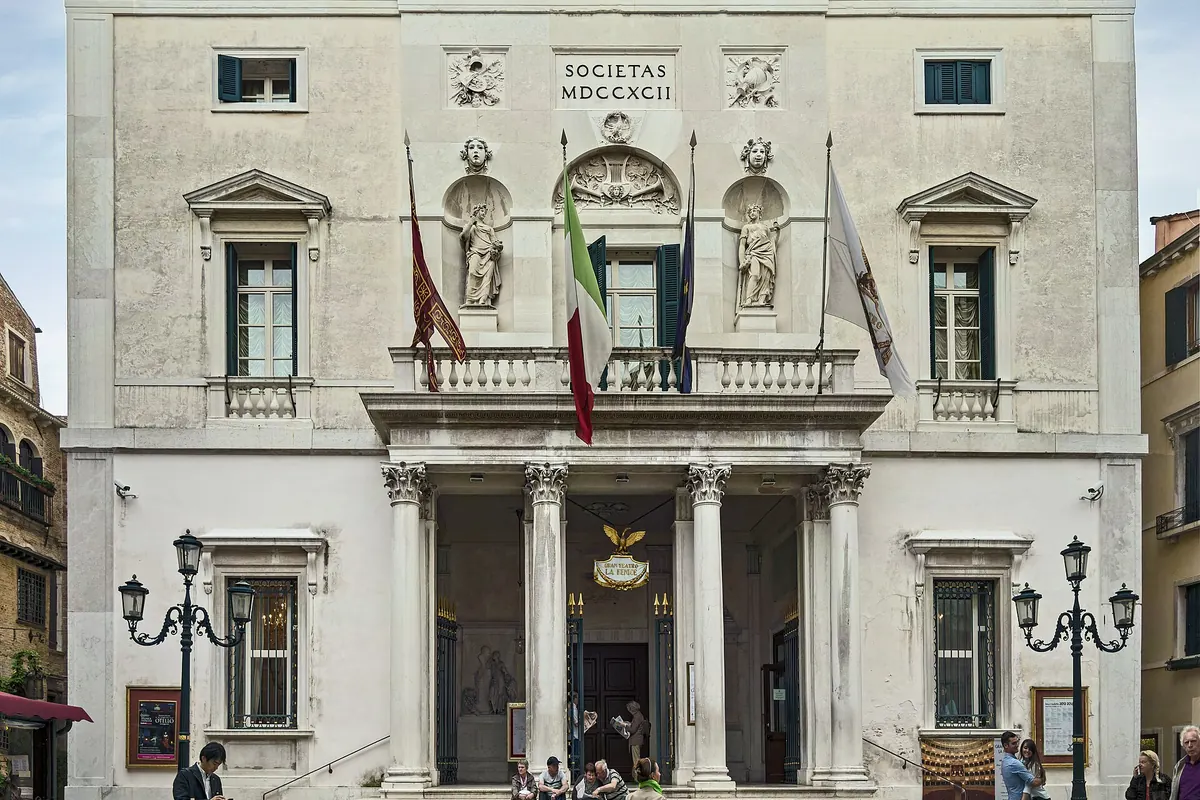
Its name meaning "phoenix", La Fenice has suffered several fires in its history and has been rebuilt each time; it reopened in 2003 after the last major fire.
Even if you are not attending a performance, you can see the gilded auditorium on a guided or audio-guided tour.
Tip: For an evening opera or concert, check the programme in advance.
Dorsoduro and the Zattere
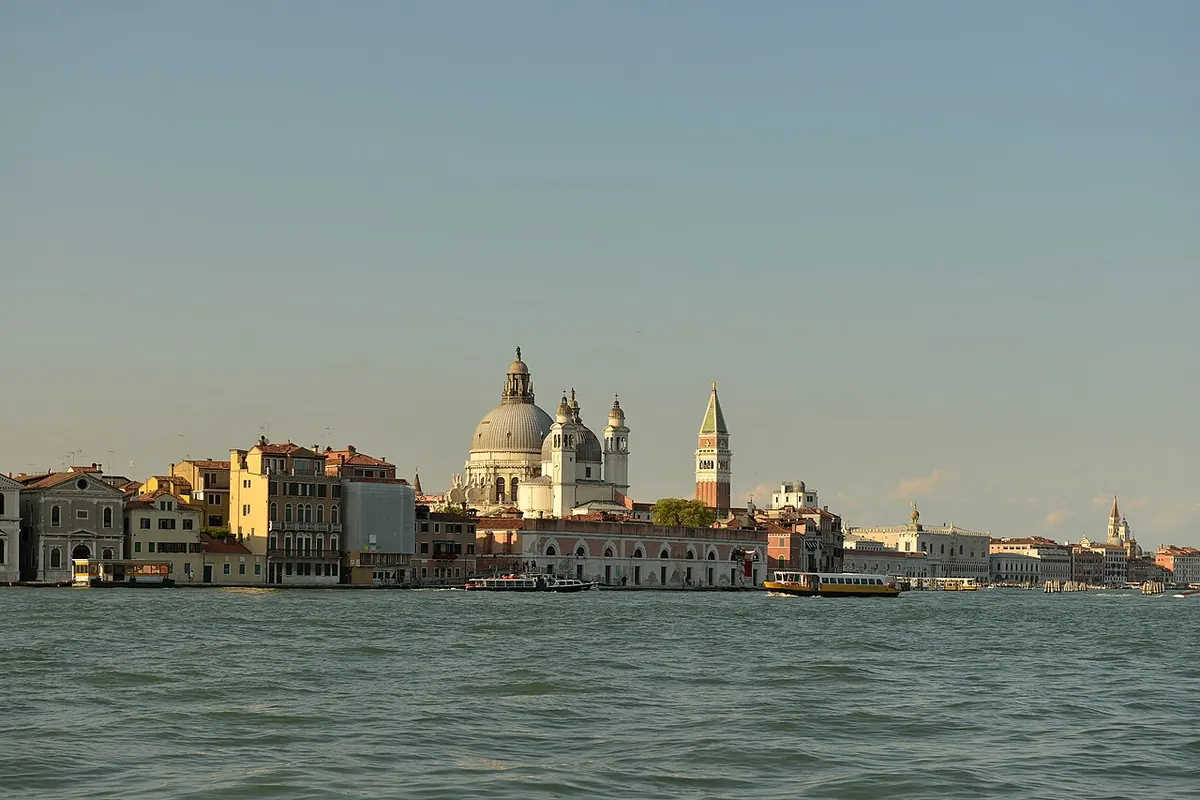
Running along the Giudecca Canal, the Zattere waterfront, with its sunny cafés and wide water views, is one of Venice's most open walking routes.
The nearby Squero di San Trovaso is one of the historic boatyards where gondolas are still built and repaired.
Tip: An ice-cream stop on the Zattere at sunset makes for a quiet evening away from the city's crowds.
Lido
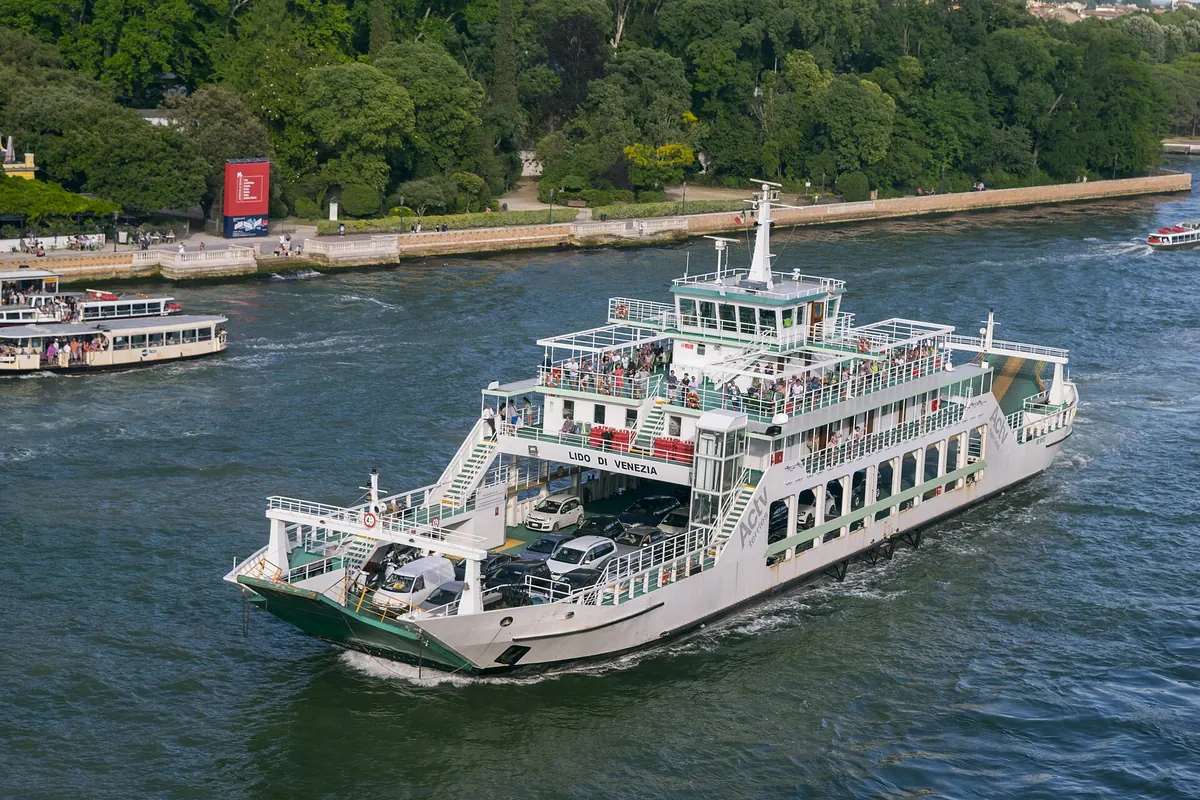
The Lido, the long island separating the lagoon from the Adriatic Sea, is Venice's beach destination thanks to its sandy beaches.
Home to the Venice Film Festival every year, the island, unlike the historic centre, also has car and bus traffic.
Tip: In the summer months, it is a good option for a seaside break from busy sightseeing.
Torcello
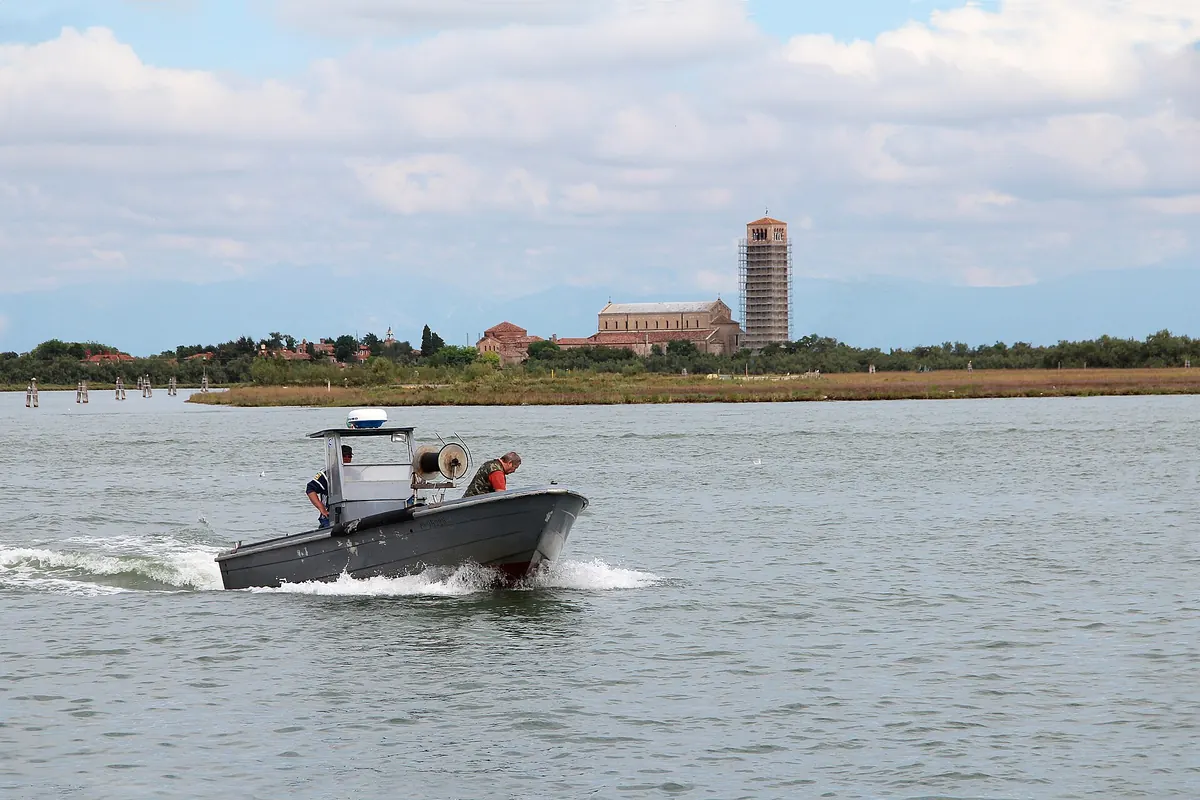
One of the first settlements in the lagoon, Torcello is today a quiet island with few inhabitants.
The island's Cathedral of Santa Maria Assunta, with its Byzantine mosaics depicting the Last Judgement, is one of the oldest and most impressive buildings in the lagoon.
Tip: As it is very close to Burano, you can combine the two islands on the same trip.
For up-to-date information on Venice's museums, city routes, public transport and the lagoon islands, you can also visit Venezia Unica, Venice's official tourism portal as well.
How Many Days Do You Need for Venice?
Although Venice's historic centre can be explored on foot, its narrow streets, bridges, museums and lagoon islands mean you should not plan the length of your trip on distance alone.
St Mark's Square, the Doge's Palace, the Rialto Bridge and the Grand Canal.
The historic centre + Cannaregio + quieter streets and neighbourhoods.
A more relaxed programme for the city centre + the islands of Murano and Burano.
Things to Do in Venice: A Sample 2-Day Itinerary
On the first day, you can start from St Mark's Square, visit St Mark's Basilica and the Doge's Palace, and then walk towards the Rialto Bridge. Later in the day, you can spend time around the Grand Canal.
St Mark's Basilica → Doge's Palace and the Bridge of Sighs → Campanile → Scala Contarini del Bovolo → Rialto Bridge and market
On the second day, you can explore Cannaregio and the quieter streets of the historic centre; if you have time, you can set aside part of the day for Murano or Burano.
Burano and Murano in the morning → Dorsoduro in the afternoon: Accademia Bridge, the Salute, sunset on the Zattere → cicchetti in Cannaregio
When to Go to Venice
Venice can be visited all year round. As most of the city is explored on foot, spring and autumn can offer a more comfortable experience.
Visitor numbers and temperatures can rise in summer. As events, visitor measures and access rules in the city can change depending on when you travel, it is a good idea to check the latest information before your trip.
In autumn and winter, high water (acqua alta) can sometimes flood low-lying areas such as San Marco; it is worth keeping an eye on the weather and sea conditions during this period.
Getting Around Venice
As cars are not used in Venice's historic centre, most of your travel will be on foot or by water.
The public transport boats known as vaporetti are one of the main ways to travel along the Grand Canal and between different parts of the city and the lagoon islands.
Gondolas, on the other hand, are seen more as a tourist part of the Venice experience than as public transport.
If you arrive by train, you reach the entrance to the historic centre at Santa Lucia Station; by bus or car, at Piazzale Roma. From Marco Polo Airport, you can get to the city by bus or water bus.
Where to Stay in Venice
For first-time visitors to Venice, areas such as San Marco, San Polo and Cannaregio offer different advantages.
San Marco is worth considering for its proximity to the sights, Cannaregio for its quieter atmosphere, and the area around Santa Lucia station for visitors using intercity transport.
Within walking distance of the main sights; practical for a first visit but busy.
Quieter and more local; close to the station, with lively evenings in the cicchetti bars.
Museums and the Zattere waterfront; quiet and art-focused.
What to Eat in Venice
Venetian cuisine is known for its seafood, risottos and small snacks. In the small local bars known as bàcari, you can try the snacks called cicchetti.
In areas such as Cannaregio and San Polo, you will find both traditional and more modern restaurants.
Venetian sweet-and-sour sardines (sarde in saor), black squid-ink risotto and creamed salt cod (baccalà mantecato) are among the city's classic dishes.
Tickets and Practical Information for a Trip to Venice
- St Mark's Basilica: Monday to Saturday 09:30–17:15 (last entry 16:45); on Sundays and public holidays, tourist visits begin at 14:00.
- Access fee: During busy periods, the city council charges day visitors an access fee on certain days (certain days between April and July in 2026). Check your date on the city council's website.
- Vaporetto: If you will be making several journeys, daily or multi-day public transport passes can be better value than single tickets.
- Dress code: Shoulders and knees are expected to be covered in the basilica and other churches.
Information taken from official sources (the official St Mark's Basilica ticket website and the City of Venice) as of November 2026; check the latest information before you travel.
Do You Need a Visa to Travel to Venice?
As Venice is in Italy, holders of a standard (burgundy) Turkish passport generally need to follow the Schengen visa rules for short tourist trips. For other nationalities, including foreign nationals living in Türkiye, the requirement depends on nationality.
Since application requirements can vary by passport type, purpose of travel and personal circumstances, it is important to check the current conditions before you travel.
For detailed information on Italy visa requirements and the documents you need, see our Italy Visa page. For the document list, see Italy visa documents; for current fees, see Italy visa fee and for the appointment steps, see Italy visa appointment – check them before you apply.
Italy Visa for Your Trip to Venice
If you have planned your trip to Venice, the GöçmenVizesi consultancy team can give you professional support with your Italy visa application, preparing the required documents and the application process.
View Italy Visa InformationThings to Do in Venice: Frequently Asked Questions
What are the must-see places in Venice?
St Mark's Square, St Mark's Basilica, the Doge's Palace, the Rialto Bridge, the Grand Canal and Cannaregio are among the city's highlights.
How many days do you need to see Venice?
Venice's main sights can be seen in a 1–2 day programme. If you also want to visit lagoon islands such as Murano and Burano, you can plan 3 days.
Can you get around Venice on foot?
Yes. Most of the historic centre can be explored on foot. For areas further out and the lagoon islands, you can use water transport such as the vaporetto.
Can you visit Murano and Burano on the same day?
If your schedule and the boat timetables allow, Murano and Burano can be planned on the same day's route. However, if you want to spend more time on the islands, you can allow a longer programme.
Is there an entry fee for Venice?
During busy periods, the City of Venice charges day visitors an access fee (contributo di accesso) on certain days; in 2026, it applied on certain days between April and July. Check on the city council's official website whether your travel date is covered.
What are the opening hours of St Mark's Basilica?
It is open Monday to Saturday from 09:30 to 17:15 (last entry 16:45). On Sundays and public holidays, tourist visits begin at 14:00.
Do you need a Schengen visa for Venice?
Italy is in the Schengen Area. Turkish citizens holding a standard (burgundy) passport generally need a Schengen visa for short tourist trips. For other nationalities, the requirement depends on nationality.
GöçmenVizesi is not an official consulate or public authority. It is a travel and visa consultancy that provides professional consultancy services on visa application processes.
The photos of the places in this guide are from Wikimedia Commons and are used under the author and licence terms given below each image.