

Things to Do in Florence: A Travel Guide for First-Time Visitors
Known as the centre of Renaissance art, Florence, with its historic buildings, museums, squares and views along the River Arno, is one of Italy's most important cultural cities. In this guide to Florence's top sights you will find the essentials, from how many days to stay to transport options and a sample itinerary.
Things to Do in Florence: The List
Florence's top sights are packed into a dense but compact city. As many of the key buildings, museums and squares in the historic centre are within walking distance of one another, you can see the city's main sights even on a short trip.
The table below lists the 19 places in this guide by area, with the approximate time you should allow; each row takes you to the relevant section.
| Place | Area | Suggested time | Note |
|---|---|---|---|
| Florence Duomo | Historic centre | 2–3 hours | Dome by booking |
| Ponte Vecchio | Historic centre | 20–30 min | Jewellers |
| Uffizi Gallery | Historic centre | Half a day | Closed on Mondays |
| Piazza della Signoria | Historic centre | 30–45 min | — |
| Accademia Gallery | San Marco | 1–1.5 hours | Timed ticket |
| Palazzo Vecchio | Historic centre | 1.5 hours | — |
| Piazzale Michelangelo | Oltrarno | 45 min | Sunset |
| Boboli Gardens | Oltrarno | 1.5–2 hours | Garden and views |
| Giotto's Bell Tower and the Baptistery | Historic centre | 1 hour | — |
| Pitti Palace | Oltrarno | 2 hours | — |
| Basilica of Santa Croce | Santa Croce | 1 hour | Famous tombs |
| San Lorenzo and the Medici Chapels | San Lorenzo | 1 hour | — |
| Santa Maria Novella | Santa Maria Novella | 45 min | — |
| Mercato Centrale | San Lorenzo | 1 hour | Lunch |
| Bargello Museum | Historic centre | 1–1.5 hours | — |
| Oltrarno and Santo Spirito | Oltrarno | Half a day | — |
| San Miniato al Monte | Oltrarno | 45 min | — |
| Vasari Corridor | Historic centre | 1 hour | By booking |
| Day trip: Pisa | Outside Florence | Half a day | Day trip by train |
Florence Duomo
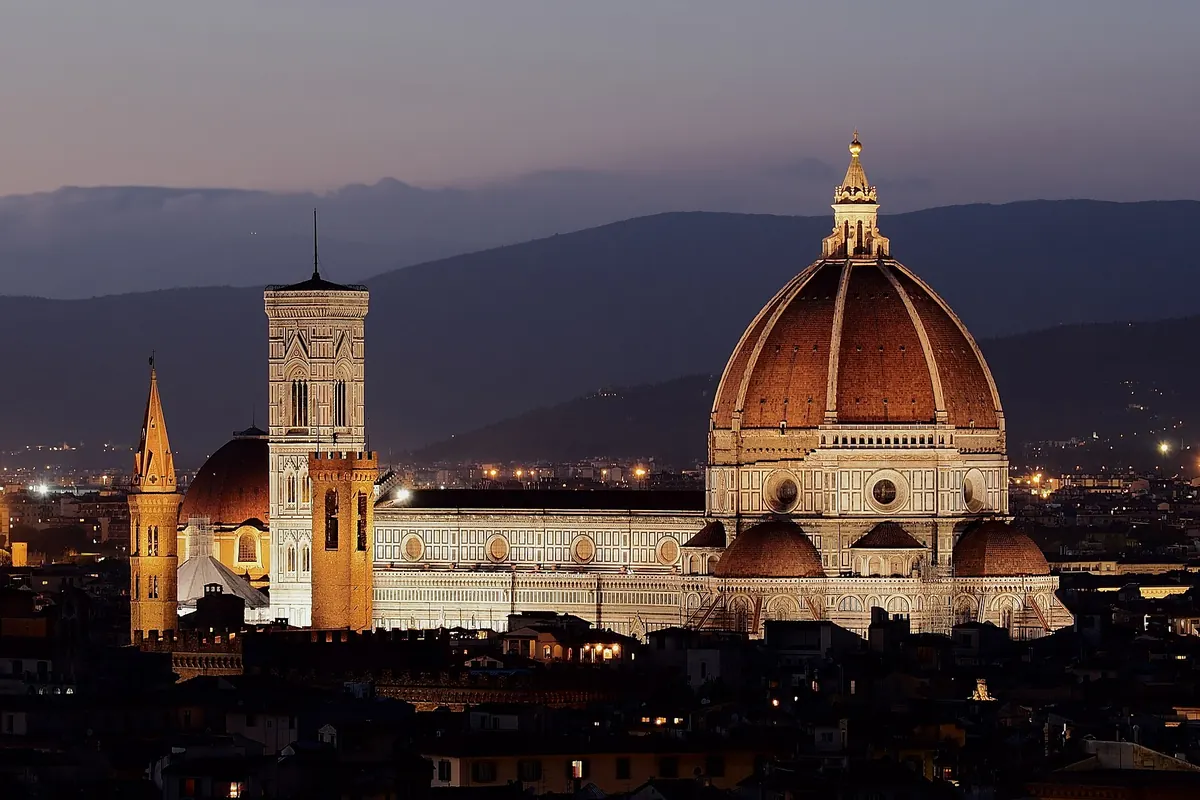
With its red dome and detailed exterior, the Cathedral of Santa Maria del Fiore is one of Florence's best-known buildings.
The cathedral complex also includes important buildings such as Giotto's Bell Tower and the Baptistery.
Designed by Filippo Brunelleschi and completed in 1436, the dome, raised without scaffolding thanks to its engineering solutions, is regarded as a turning point in Renaissance architecture. Those who climb the dome see the Last Judgement frescoes on its inner surface up close.
Tip: A timed booking is compulsory to climb the dome; there are 463 steps and no lift. Book in advance, choosing your day and time.
Ponte Vecchio
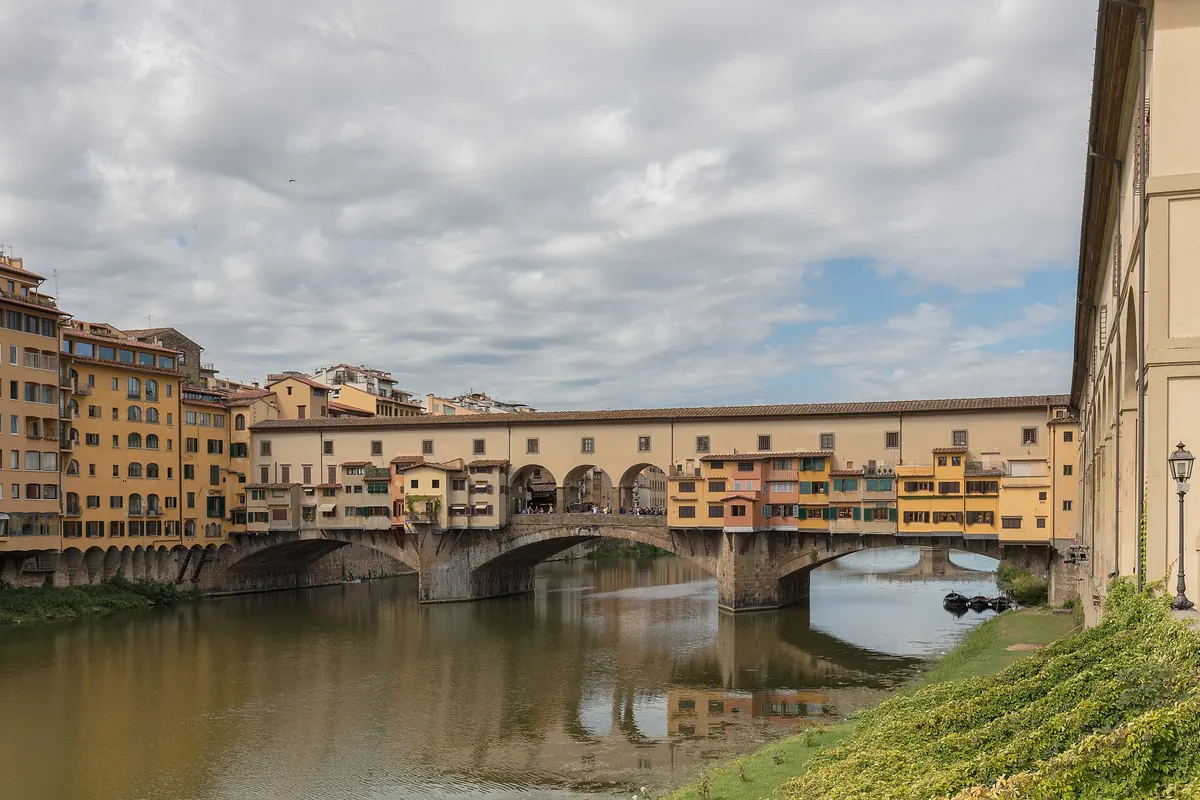
Spanning the River Arno, the Ponte Vecchio is one of Florence's most characteristic structures. The small shops on the bridge and the river views make up one of the city's best-known images.
The present bridge was built in 1345. At the end of the 16th century, jewellers replaced the butchers' shops, and the bridge is still known for its jewellers today. It was the only bridge in Florence not destroyed in the Second World War.
Tip: For the best photo, look from the Ponte Santa Trinita bridge or from the banks of the Arno at sunset.
Uffizi Gallery
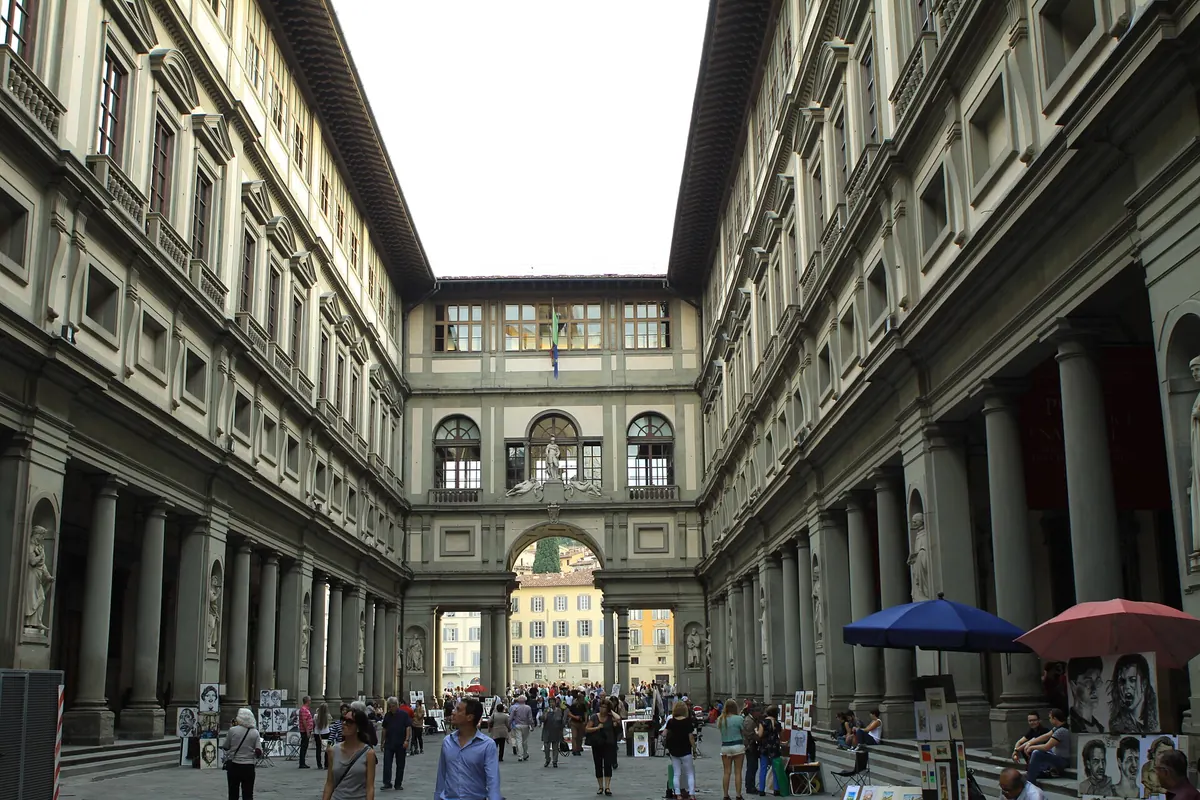
Home to major works of Renaissance art, the Uffizi is one of Florence's most important museums.
It is one of the stops where visitors interested in art history may want to allow more time in their city programme.
The building, designed by Giorgio Vasari for the Medici family, displays Botticelli's The Birth of Venus and Primavera, as well as works by Leonardo, Michelangelo, Raphael and Caravaggio.
Tip: The gallery is closed on Mondays and open Tuesday to Sunday from 08:15 to 18:30. The ticket office closes one hour before closing time.
Piazza della Signoria
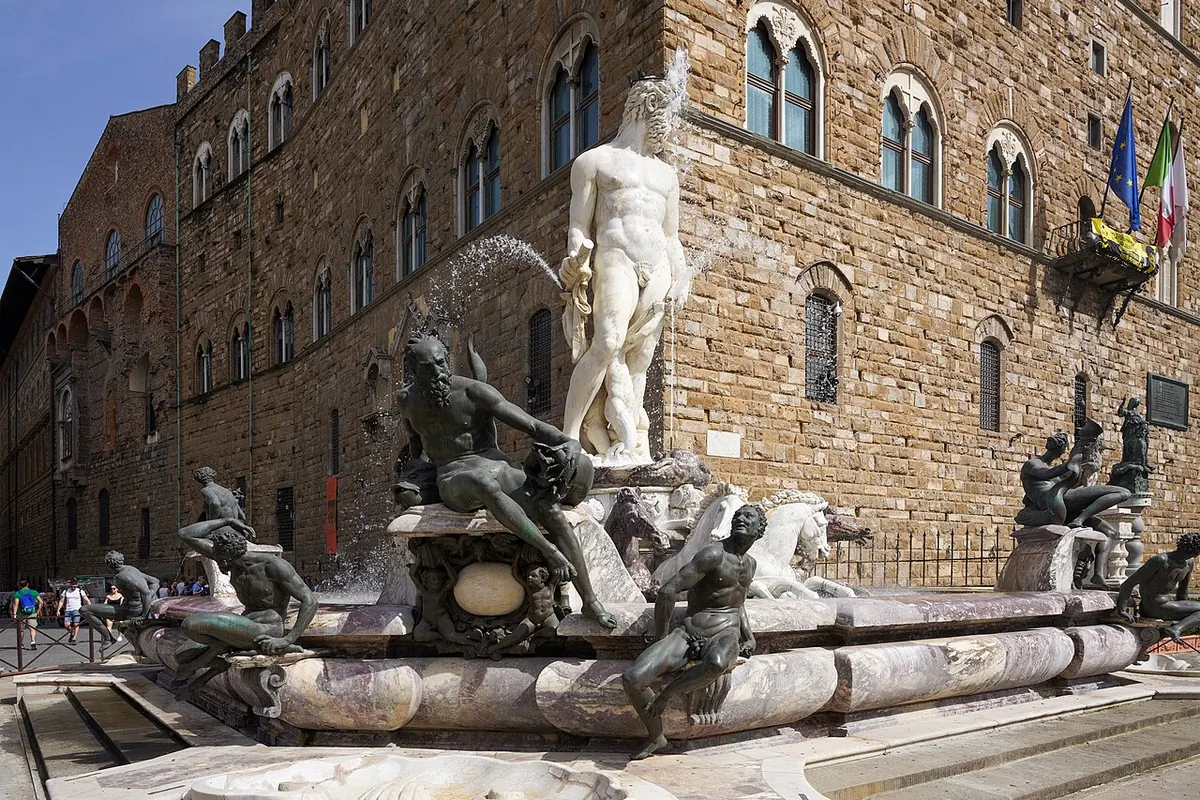
One of the most important squares in the historic centre, Piazza della Signoria, with the Palazzo Vecchio and its many statues, is one of the parts of Florence that feels like an open-air museum.
Statues such as Cellini's Perseus are displayed in the Loggia dei Lanzi on the square; in front of the Palazzo Vecchio are a copy of Michelangelo's David and the Fountain of Neptune.
Tip: The Uffizi Gallery starts right next to the square; you can fit both into the same half day.
Accademia Gallery
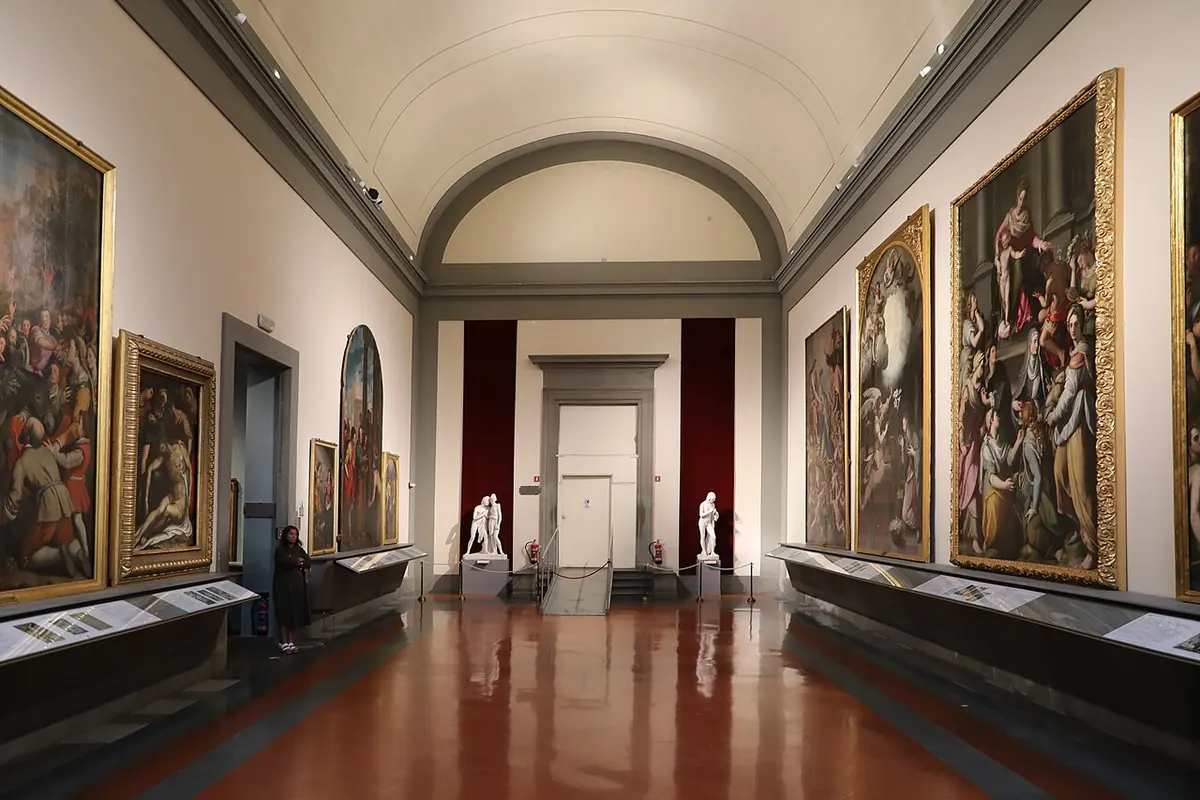
Known for Michelangelo's David, the Accademia Gallery is a key stop on art-focused trips to Florence.
The original David, carved by Michelangelo between 1501 and 1504, has been kept in this gallery since 1873. You can also see Michelangelo's unfinished Prisoners (Slaves) in the gallery.
Tip: As the gallery is small, the queue grows quickly; buying a timed ticket in advance shortens the wait.
Palazzo Vecchio
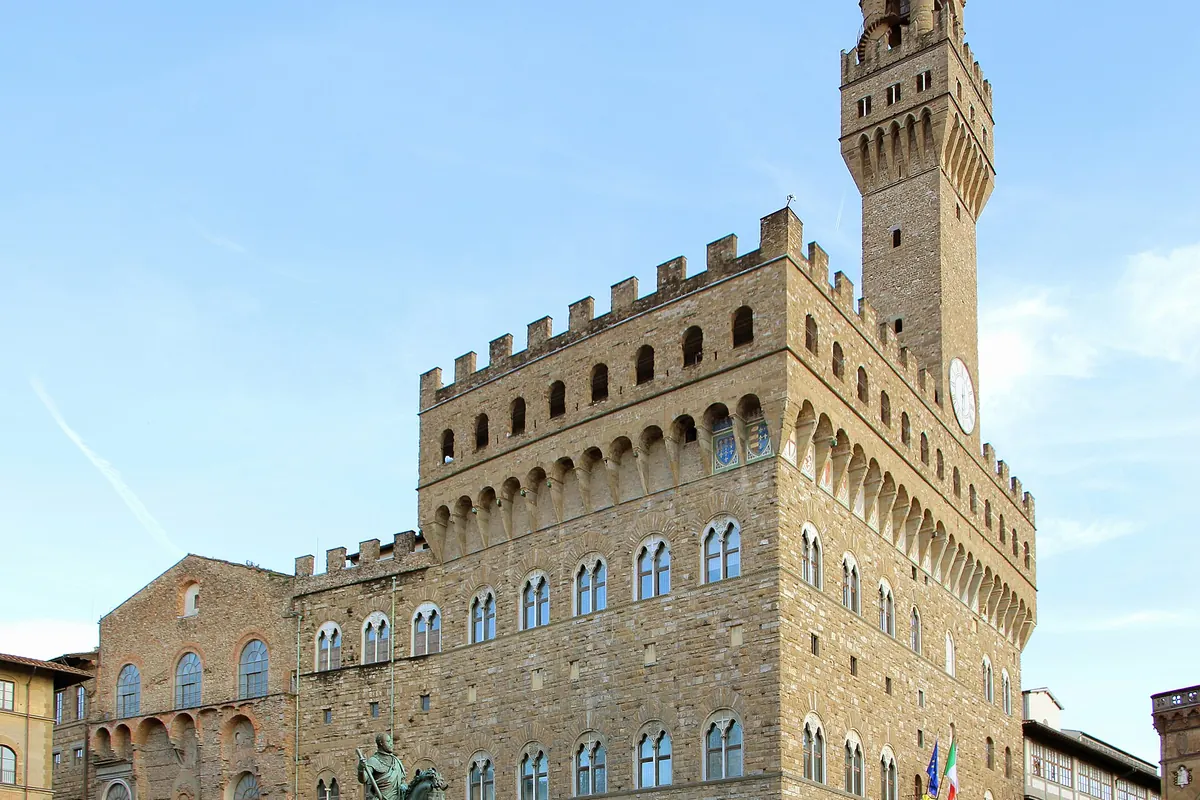
On Piazza della Signoria, the Palazzo Vecchio was one of Florence's historic seats of government and is one of the city's most striking buildings.
The palace is still used as the town hall today; in its museum section, you can visit the Hall of the Five Hundred (Salone dei Cinquecento), decorated with Vasari's frescoes. From its tower you can enjoy views of the square and the Duomo.
Tip: The palace and the tower can be ticketed separately; the tower may close depending on the weather.
Piazzale Michelangelo
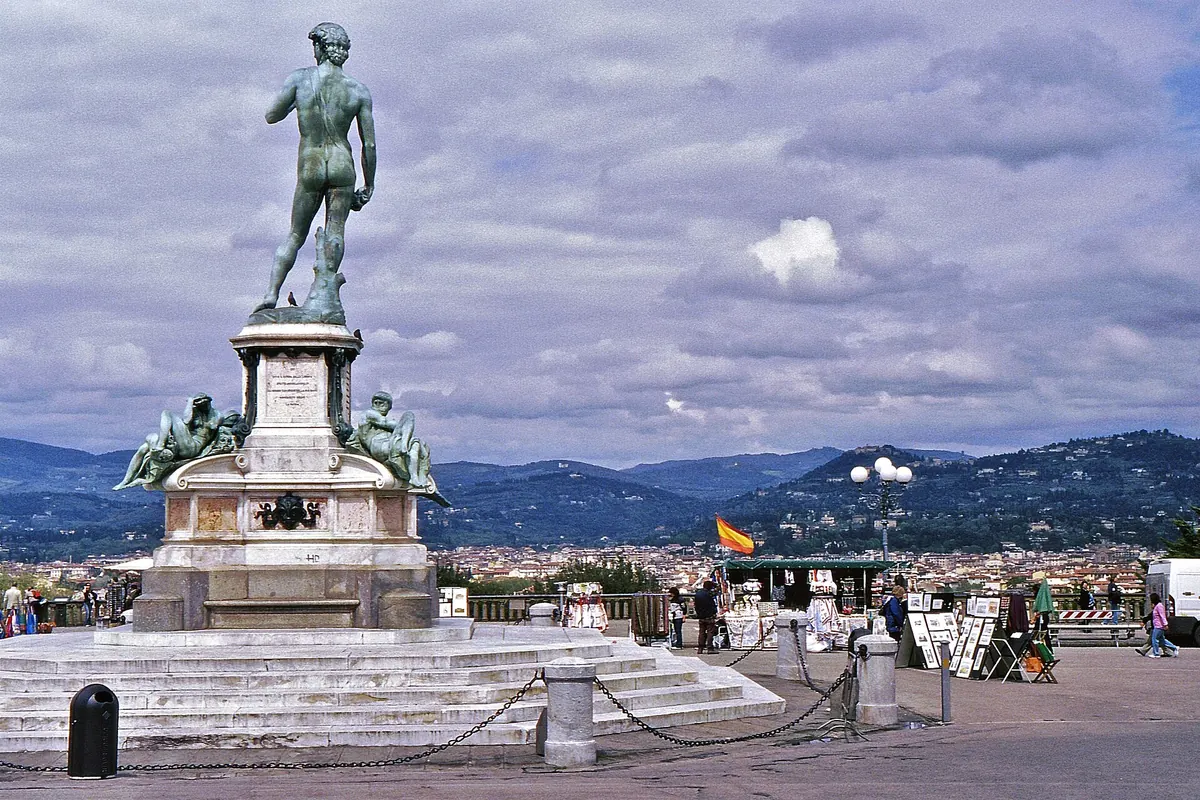
For panoramic views of Florence, Piazzale Michelangelo is one of the best-known viewpoints.
Especially at sunset, you can see a wide view of the Duomo and the historic centre.
Designed by the architect Giuseppe Poggi in 1869, the terrace has a bronze copy of the David at its centre.
Tip: Instead of walking up the hill, you can take the bus up and walk down, stopping at San Miniato al Monte on the way back.
Boboli Gardens
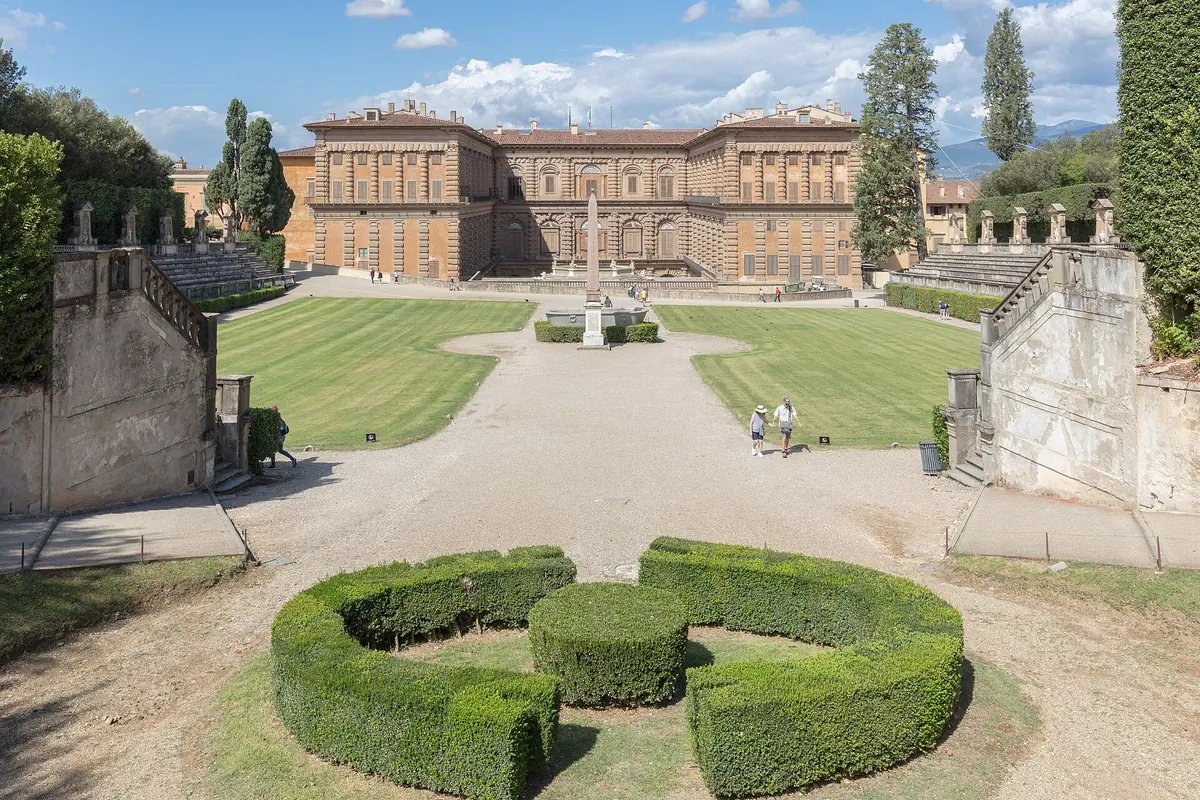
Behind the Pitti Palace, the Boboli Gardens are a large green space to consider if you want to spend some quieter time after sightseeing in the historic centre.
Laid out by the Medici family, the garden, with its statues, fountains and grottoes, is one of the finest examples of Italian garden design.
Tip: From the upper parts of the garden, a peaceful view opens up over the domes of Florence.
Giotto's Bell Tower and the Baptistery
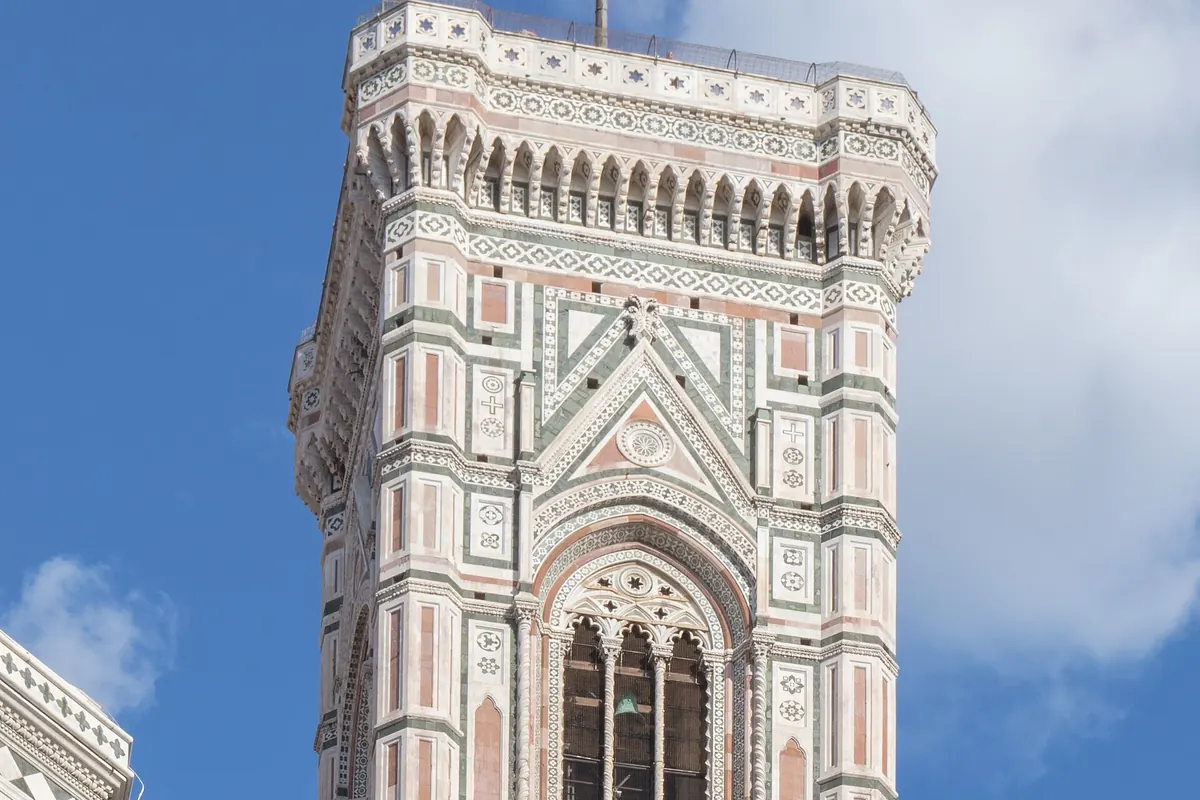
Giotto began the design of the bell tower beside the Duomo in 1334, and its coloured marble cladding matches the cathedral. Climbed by stairs, the tower offers a different view, as you can also see the dome itself.
Among the bronze doors of the octagonal Baptistery (Battistero) opposite, Ghiberti's east doors are the work Michelangelo named the "Gates of Paradise"; the original panels are kept in the Duomo Museum.
Tip: The dome, the bell tower, the Baptistery and the Duomo Museum can be visited with a combined ticket; for the dome, you also need to choose a time slot.
Pitti Palace
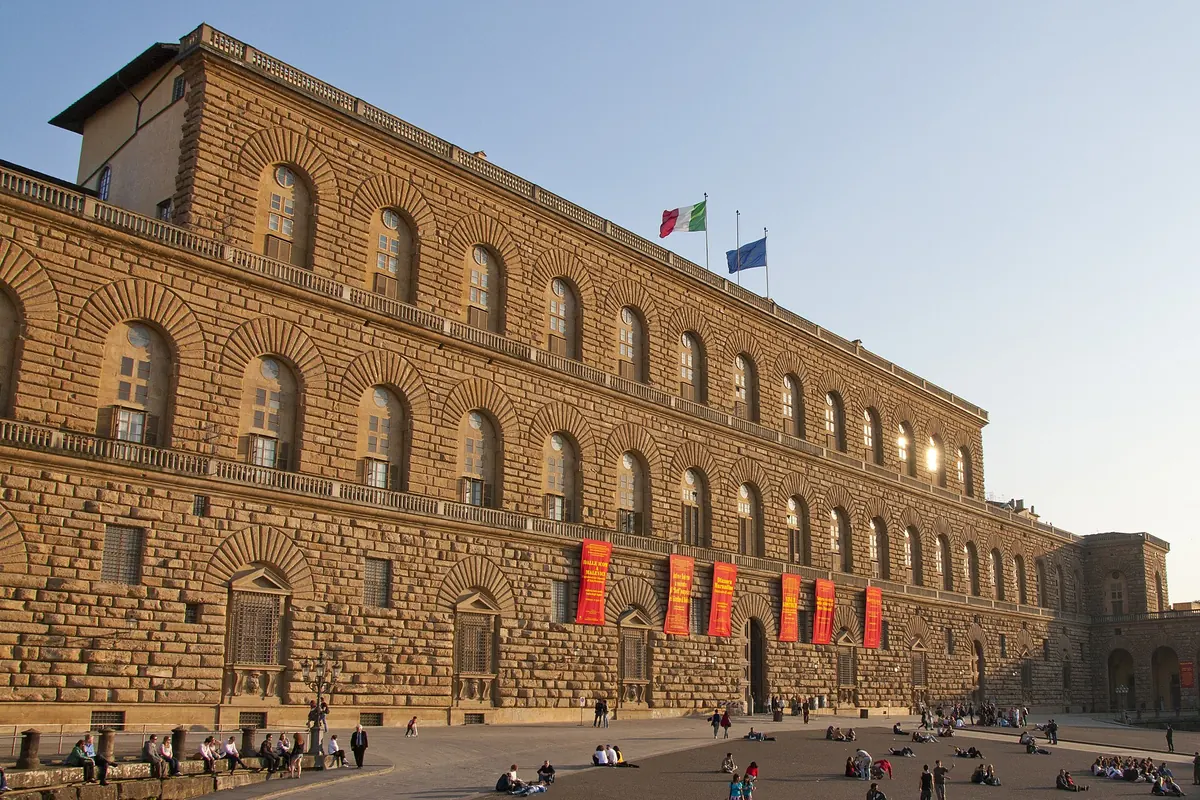
The residence of the Medici family in the 16th century, the Pitti Palace is now home to several museums.
The Palatine Gallery has works by Raphael and Titian, and the Royal Apartments show the palace's magnificent rooms. The Boboli Gardens begin behind the palace.
Tip: If you plan it on the same day as the Boboli Gardens, you can visit the palace in the morning and the garden in the afternoon.
Basilica of Santa Croce
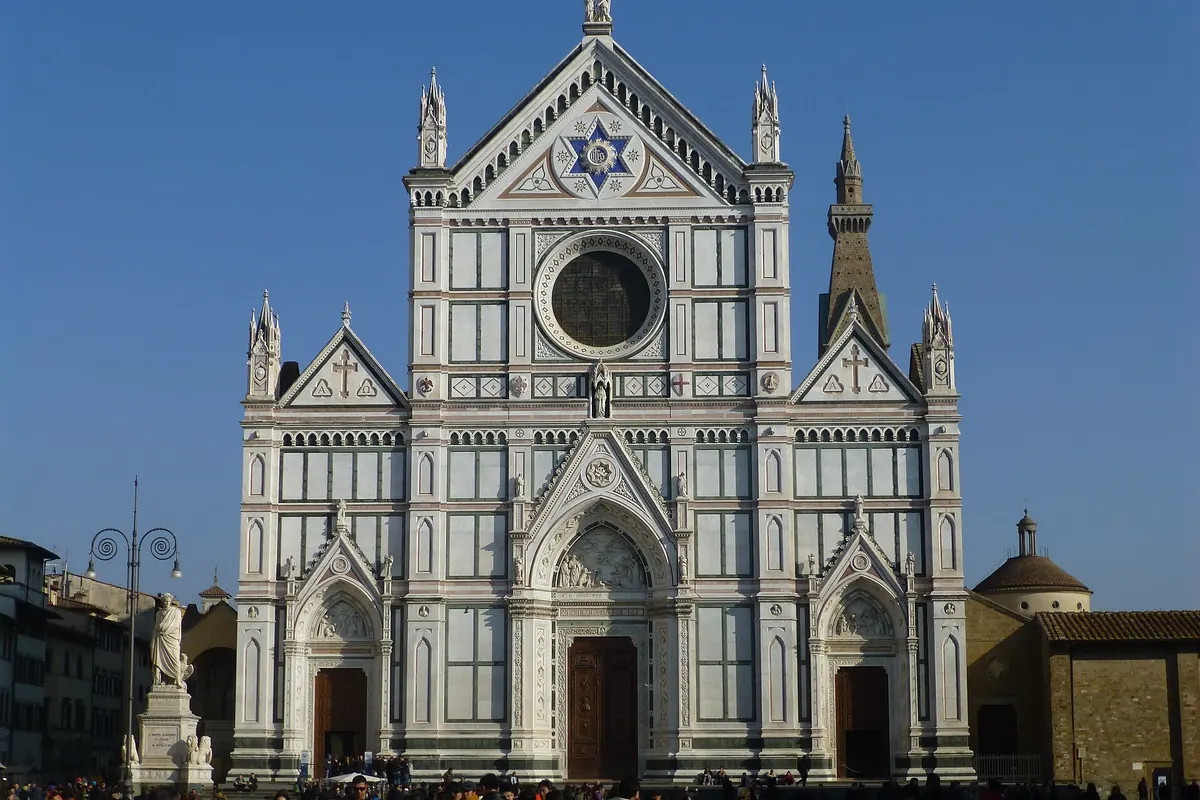
The great basilica of the Franciscan order, Santa Croce, is known for the tombs of some of Italy's most prominent figures.
The tombs of Michelangelo, Galileo Galilei and Machiavelli and a monument to Dante are in this basilica; you can also see chapels decorated with Giotto's frescoes.
Tip: The leather workshops and streets around the square are good for a short walk after the basilica.
San Lorenzo and the Medici Chapels
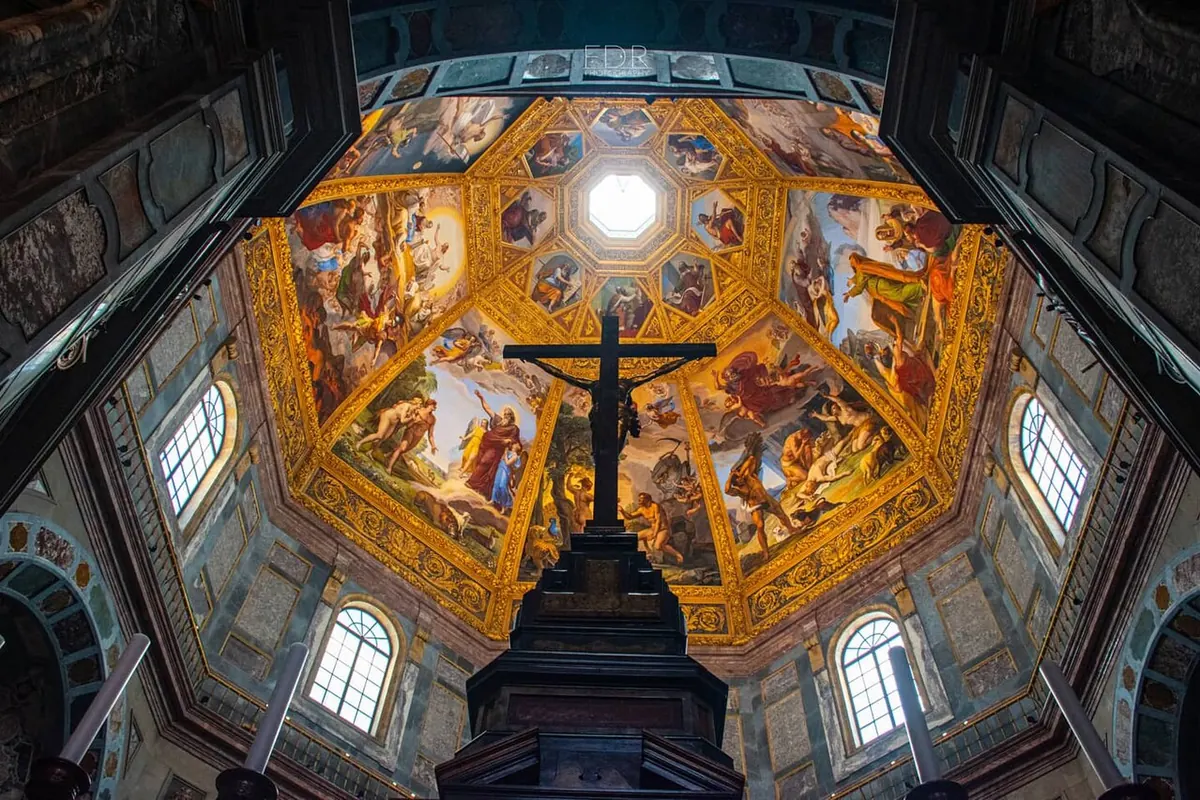
The Basilica of San Lorenzo was the Medici family's parish church. The Medici Chapels behind the church house the family's funerary chapels.
The New Sacristy (Sagrestia Nuova) displays the Medici tombs and sculptures designed by Michelangelo; the Chapel of the Princes stands out for its coloured stone inlays.
Tip: It is a few minutes from the Mercato Centrale; after your visit, you can have lunch at the market.
Santa Maria Novella
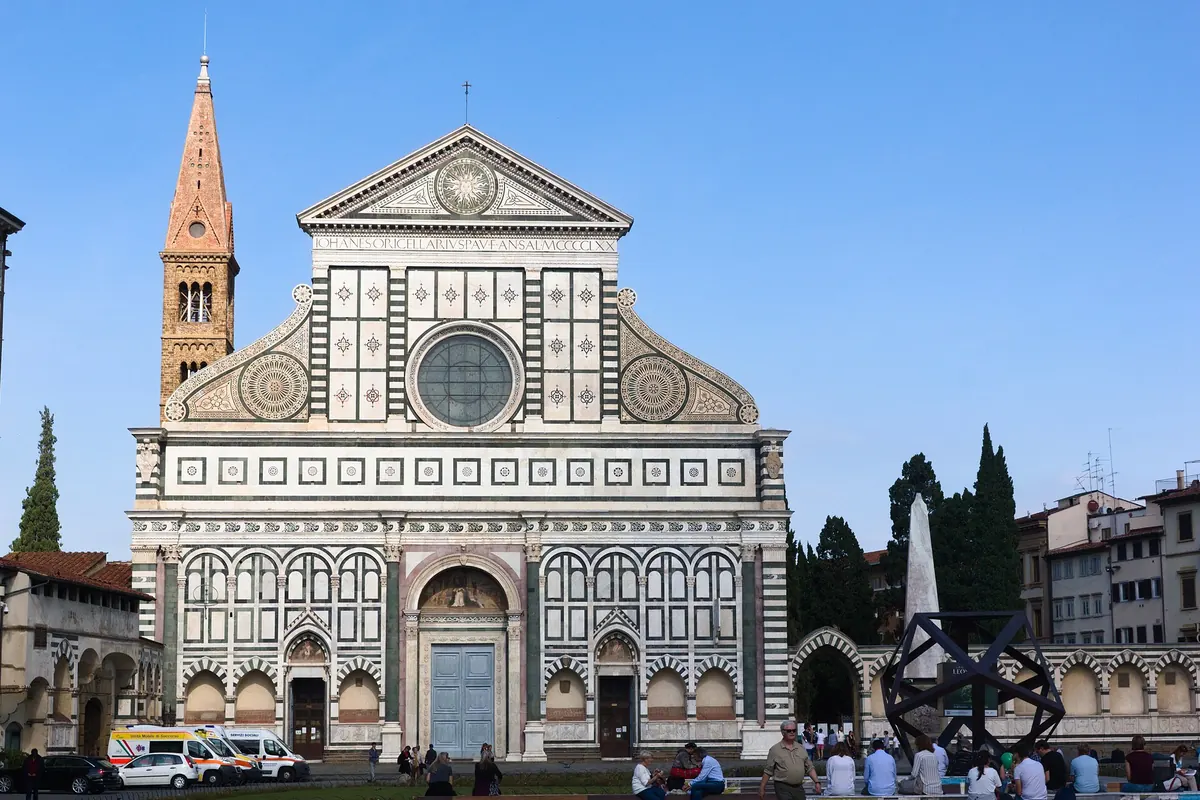
Right next to the railway station, Santa Maria Novella, with its marble facade designed by Leon Battista Alberti, is one of Florence's most important churches.
Inside, you can see Masaccio's Holy Trinity fresco, which holds an important place in art history for its use of perspective, and Ghirlandaio's fresco cycle.
Tip: If you arrive in Florence by train, it can be your first stop in the city.
Mercato Centrale

Opened in 1874 in an iron and glass building, the Mercato Centrale is the city's central market, with butchers, cheesemongers and greengrocers on the ground floor.
In the food hall upstairs, you can try local dishes, from pasta to the lampredotto sandwich, Florence's street food speciality.
Tip: The stalls on the ground floor are at their liveliest in the morning.
Bargello Museum
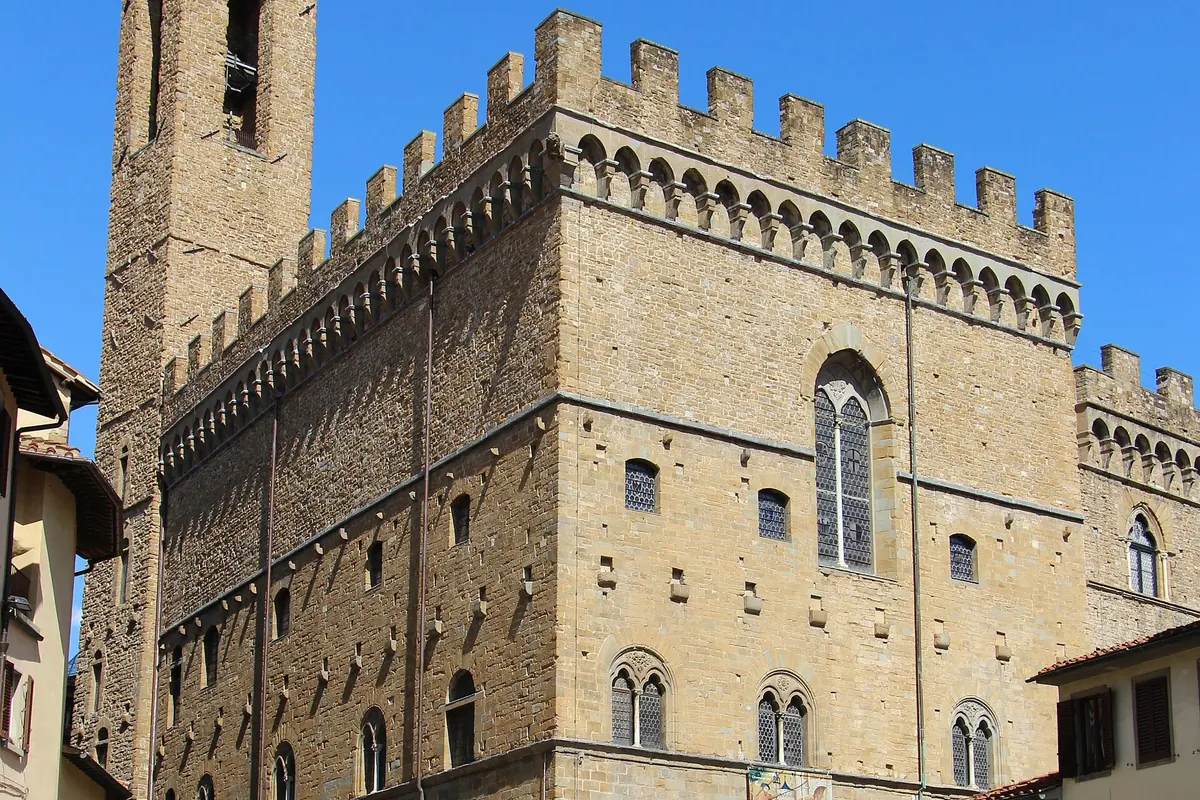
Formerly used as a prison and government building, the Bargello is today one of Italy's most important sculpture museums.
Donatello's bronze David, Michelangelo's Bacchus and works by Verrocchio are highlights of the collection.
Tip: As it is much quieter than the Accademia, it is a good alternative for sculpture lovers.
Oltrarno and Santo Spirito
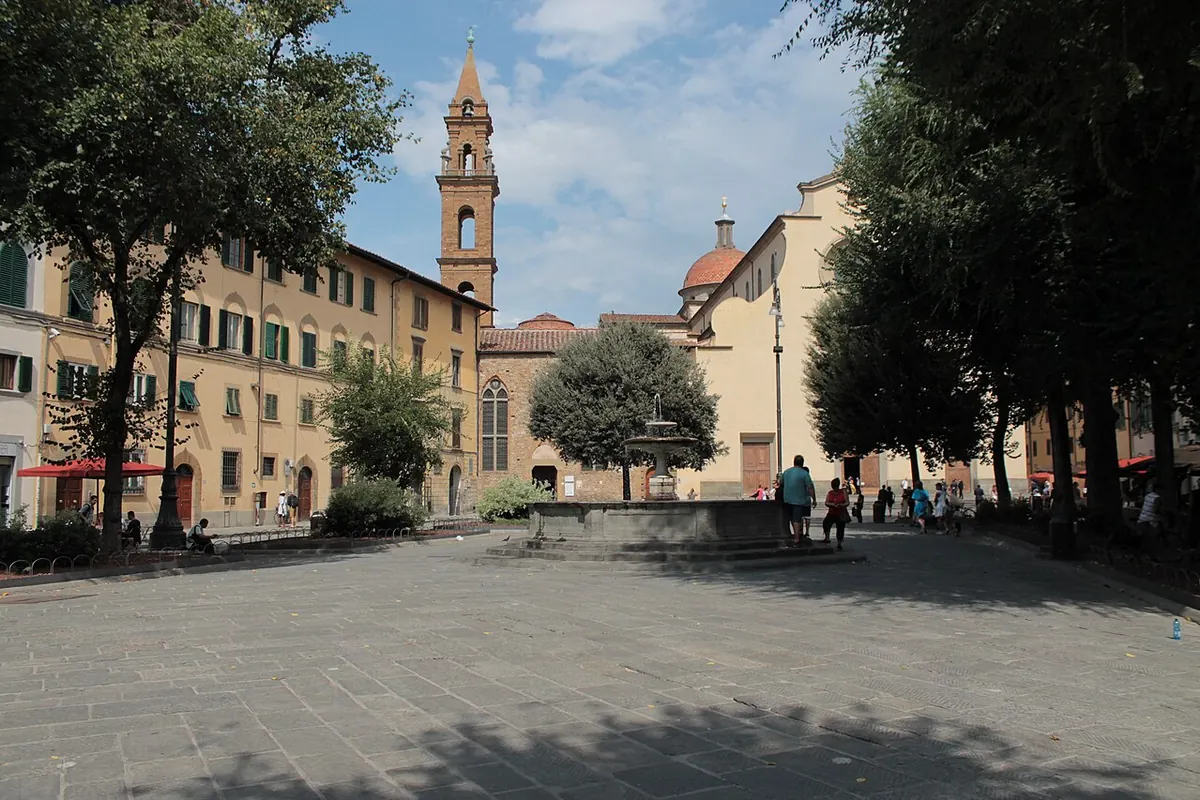
On the south bank of the Arno, Oltrarno, with its craft workshops and local cafés, shows Florence's quieter side.
The Basilica of Santo Spirito, designed by Brunelleschi, and the square in front of it are a lively spot where locals meet in the evening.
Tip: As it is on the same bank as the Pitti Palace and the Boboli Gardens, you can combine them all in a single day.
San Miniato al Monte
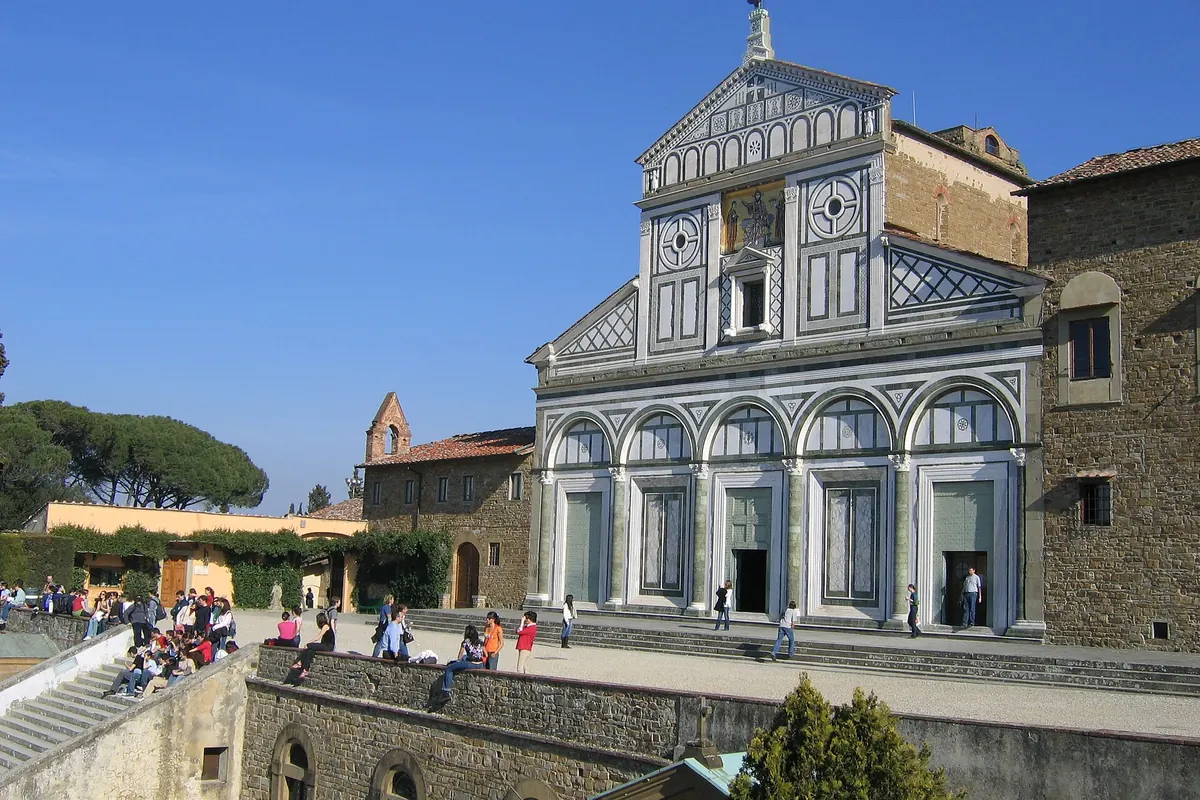
Just above Piazzale Michelangelo, San Miniato al Monte, with its white and green marble facade, is one of the finest examples of Florentine Romanesque architecture.
The terrace in front of the church offers a quieter view of the city than Piazzale Michelangelo.
Tip: If you plan to watch the sunset at Piazzale Michelangelo, you can go up to San Miniato beforehand.
Vasari Corridor
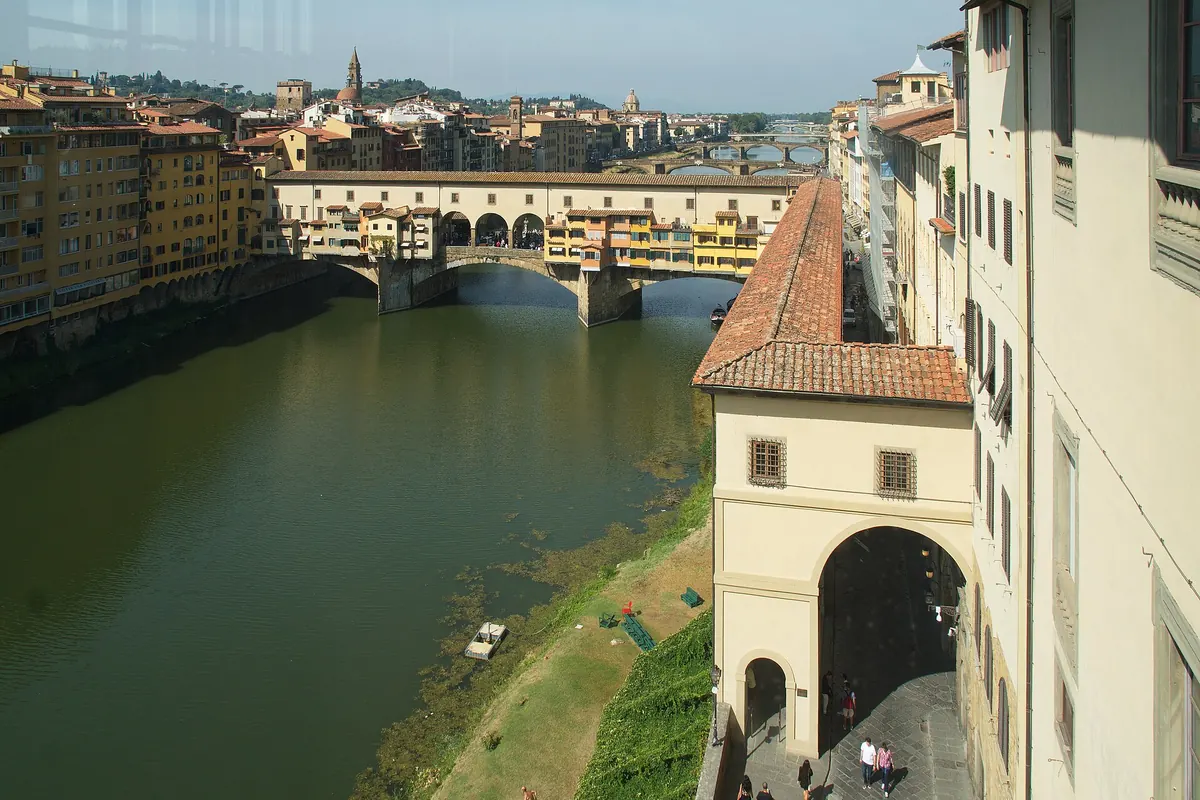
Built by Giorgio Vasari for the Medici family in 1565, the covered passage runs from the Palazzo Vecchio to the Uffizi and across the Ponte Vecchio to the Pitti Palace.
Reopened to visitors at the end of 2024 after a long restoration, the corridor gives you a different view of the Arno and the Ponte Vecchio.
Tip: The corridor is visited by booking; check the tickets sold together with the Uffizi on the official channel.
Day trip: Pisa
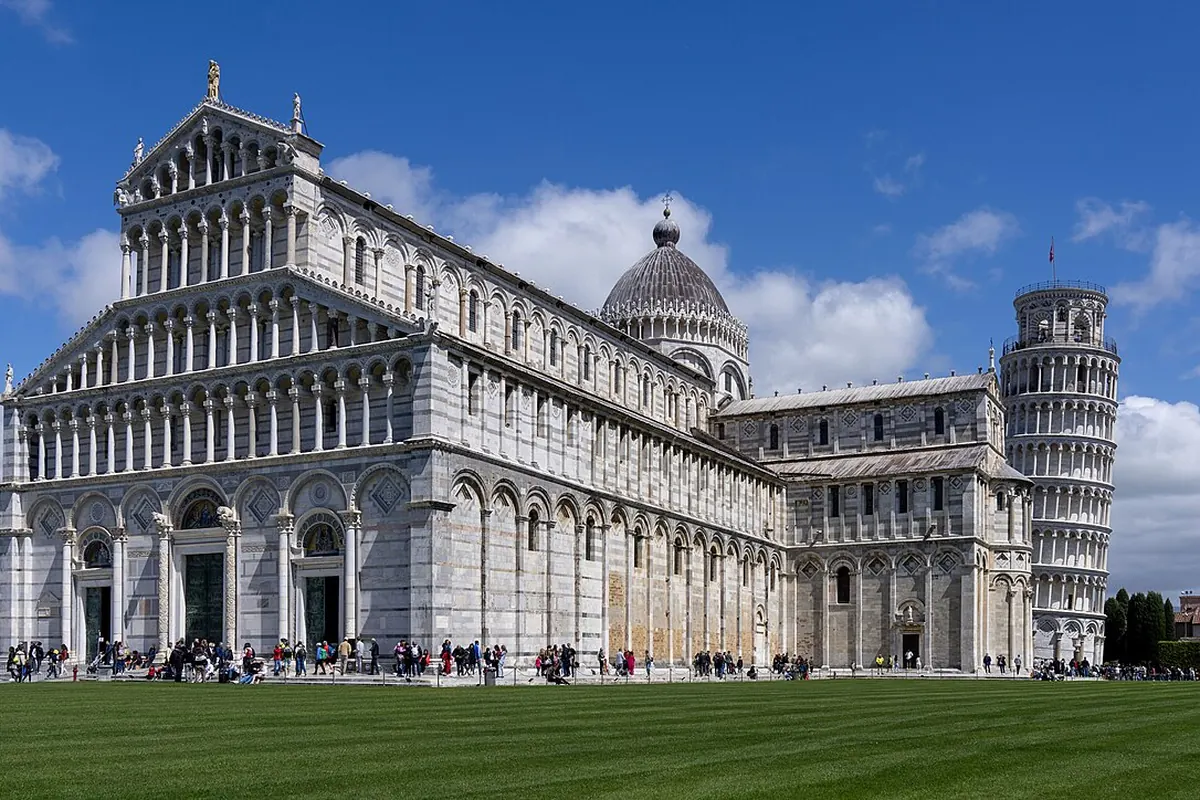
About an hour from Florence by train, Pisa, with its Square of Miracles (Piazza dei Miracoli), home to the Leaning Tower, is one of the most popular day trips.
As well as the tower, the square has the cathedral and the baptistery; climbing the tower requires a timed ticket.
Tip: If you take an early train, you can see the square before the crowds build up and be back in Florence in the afternoon.
For more information on Florence's museums, historic buildings and city routes, you can also visit Feel Florence, the city's official tourism portal as well.
How Many Days Do You Need for Florence?
Thanks to the compact layout of Florence's historic centre, many key sights can be seen in a short time. However, if you also want to explore museums such as the Uffizi and the Accademia in detail, a longer programme will be more comfortable.
The Duomo, Piazza della Signoria, the Ponte Vecchio and the historic centre.
The central route + the Uffizi + the Accademia + Piazzale Michelangelo.
A comprehensive city visit with museums, the Boboli Gardens and quieter neighbourhoods.
If you have a fourth day, you can plan a day trip to Pisa.
Things to Do in Florence: A Sample 2-Day Itinerary
On the first day, you can start at Florence's Duomo and make your way to the Ponte Vecchio via Piazza della Signoria, the Palazzo Vecchio and the Uffizi Gallery.
Duomo and dome (by booking) → Baptistery → Piazza della Signoria → Uffizi → Ponte Vecchio
On the second day, you can start with the Accademia Gallery, explore different neighbourhoods of the city and end the day watching the view of Florence from Piazzale Michelangelo.
Accademia → Medici Chapels → lunch at the Mercato Centrale → Pitti Palace and Boboli → sunset at Piazzale Michelangelo
When to Go to Florence
As much of a trip to Florence is done on foot, spring and autumn can be more comfortable for sightseeing.
In summer, the city can be hotter and busier. In winter, you can plan a quieter trip focused on museums and art.
Getting Around Florence
As most of the key sights in Florence's historic centre are close to one another, walking is very practical for sightseeing.
For areas further out, you can use public transport such as buses and trams. On a short trip, staying in the city centre can greatly reduce your need for transport.
The T2 tram line runs from Florence Airport to the city centre. The city's main railway station, Santa Maria Novella, has connections to cities such as Rome, Milan, Venice and Pisa.
Where to Stay in Florence
For first-time visitors to Florence, the area around the Duomo, Santa Maria Novella and areas close to the historic centre can be well located.
If you want a quieter, more local atmosphere, you can also consider the Oltrarno district on the other side of the River Arno.
Within walking distance of the main sights; the most practical area for a first visit.
Close to the railway station; good for day trips.
Craft workshops and a local atmosphere; quieter.
What to Eat in Florence
Florentine and Tuscan cuisine is known for its meat dishes, traditional breads, soups and local recipes.
Bistecca alla Fiorentina, ribollita and pappa al pomodoro are among the regional dishes you may come across on a trip to Florence.
For street food, try the lampredotto sandwich at the Mercato Centrale, and for dessert, gelato and cream-filled schiacciata; wines from the Chianti region are also part of Tuscan cuisine.
Tickets and Practical Information for a Trip to Florence
- Duomo dome: A timed booking is compulsory to climb; 463 steps, no lift.
- Uffizi Gallery: Closed on Mondays; Tuesday to Sunday 08:15–18:30. The ticket office closes one hour before closing time.
- Vasari Corridor: Visits by booking.
- Accademia and Uffizi: In busy periods, buying a timed ticket in advance shortens the wait.
- Dress code: Shoulders and knees are expected to be covered in the Duomo and other churches.
Information taken from official sources (Opera di Santa Maria del Fiore and Feel Florence, the Florence city council's tourism portal) as of November 2026; check the latest information before you travel.
Do You Need a Visa to Travel to Florence?
As Florence is in Italy, holders of a standard (burgundy) Turkish passport generally need to follow the Schengen visa rules for short tourist trips. For other nationalities, including foreign nationals living in Türkiye, the requirement depends on nationality.
Since application requirements can vary by passport type, purpose of travel and personal circumstances, it is important to check the current conditions before you travel.
For detailed information on Italy visa requirements and the documents you need, see our Italy Visa page. For the document list, see Italy visa documents; for current fees, see Italy visa fee and for the appointment steps, see Italy visa appointment – check them before you apply.
Italy Visa for Your Trip to Florence
If you have planned your trip to Florence, the GöçmenVizesi consultancy team can give you professional support with your Italy visa application, preparing the required documents and the application process.
View Italy Visa InformationThings to Do in Florence: Frequently Asked Questions
What are the must-see places in Florence?
The Duomo, the Ponte Vecchio, the Uffizi Gallery, Piazza della Signoria, the Accademia Gallery and Piazzale Michelangelo are among the city's highlights.
How many days do you need to see Florence?
The city's main sights can be seen in a 1–2 day programme. If you want to explore the museums in more detail, you can plan 3 days.
Can you get around Florence on foot?
As the historic centre is very compact, most of Florence's key sights can be visited on foot.
Do you need to book to climb the Duomo dome?
Yes. A booking with a chosen day and time is compulsory to climb Brunelleschi's dome; there are 463 steps and no lift.
Which day is the Uffizi Gallery closed?
The Uffizi is closed on Mondays and open Tuesday to Sunday from 08:15 to 18:30.
What should you eat in Florence?
Bistecca alla Fiorentina, ribollita and pappa al pomodoro are among the traditional Tuscan dishes to try in the city.
Do you need a Schengen visa for Florence?
Italy is in the Schengen Area. Turkish citizens holding a standard (burgundy) passport generally need a Schengen visa for short tourist trips. For other nationalities, the requirement depends on nationality.
GöçmenVizesi is not an official consulate or public authority. It is a travel and visa consultancy that provides professional consultancy services on visa application processes.
The photos of the places in this guide are from Wikimedia Commons and are used under the author and licence terms given below each image.