

Things to Do in Rome: A Travel Guide for First-Time Visitors
With its ancient Roman ruins, historic squares, world-famous landmarks and strong food culture, Rome is one of Italy's most important travel destinations. In this guide to Rome's top sights you will find the essentials, from how many days to stay to transport options and a sample itinerary.
Things to Do in Rome: The List
Rome's top sights make it one of the richest cities in the world. From ancient buildings to Renaissance and Baroque architecture, you can see the traces of different eras within the same city.
The table below lists the 22 places in this guide by area, with the approximate time you should allow; each row takes you to the relevant section.
| Place | Area | Suggested time | Note |
|---|---|---|---|
| Colosseum | Ancient Rome | 2–3 hours | Buy tickets in advance |
| Roman Forum | Ancient Rome | 1.5–2 hours | — |
| Trevi Fountain | Historic centre | 20–30 min | Fountain basin €2 |
| Pantheon | Historic centre | 30–45 min | Entry €7 |
| Spanish Steps | Historic centre | 20–30 min | No sitting |
| Piazza Navona | Historic centre | 30–45 min | Lovely in the evening |
| Trastevere | Trastevere | Half a day | For dinner |
| Villa Borghese | North | 2–3 hours | Gallery by booking |
| Vatican Museums and Sistine Chapel | Vatican | Half a day | Free on the last Sunday |
| St Peter's Basilica and Square | Vatican | 1.5–2 hours | Dress code applies |
| Castel Sant'Angelo and Ponte Sant'Angelo | Near the Vatican | 1.5 hours | — |
| Palatine Hill | Ancient Rome | 1.5 hours | — |
| Campo de' Fiori | Historic centre | 30–45 min | — |
| Piazza del Popolo | North | 30–45 min | — |
| Piazza Venezia and the Vittoriano | Ancient Rome | 45 min–1 hour | — |
| Capitoline Hill and Capitoline Museums | Ancient Rome | 2 hours | — |
| Baths of Caracalla | South | 1–1.5 hours | — |
| Circus Maximus | Ancient Rome | 20–30 min | — |
| Bocca della Verità (Mouth of Truth) | Ancient Rome | 15–20 min | — |
| Aventine Hill and the Keyhole | Aventine | 45 min–1 hour | Keyhole |
| Basilica of Santa Maria Maggiore | Esquilino | 45 min | — |
| Via Appia Antica | South | Half a day | — |
Colosseum
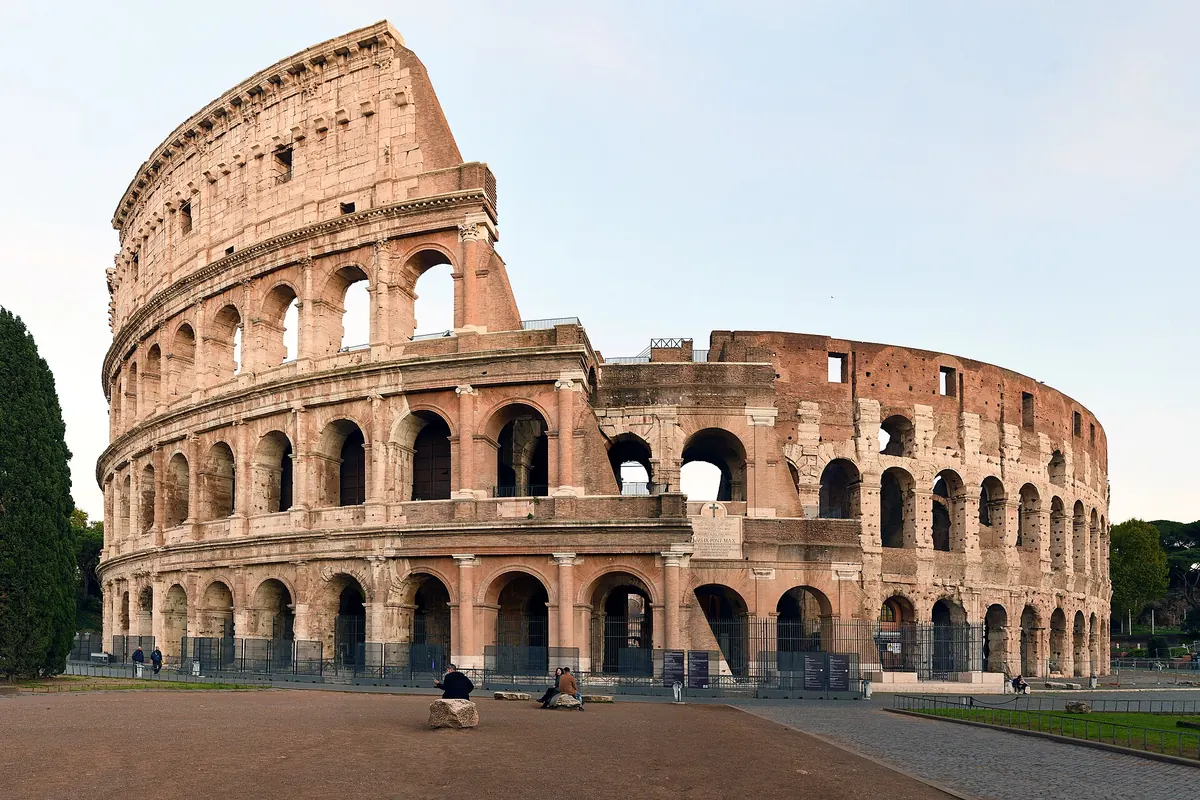
One of Rome's best-known symbols, the Colosseum is one of the most important buildings to have survived from ancient Rome.
Thanks to its location in the historic centre, it can be planned on the same route as the Roman Forum and the Palatine Hill.
Construction of the amphitheatre began in AD 72 under Emperor Vespasian, and it opened in AD 80 under his son Titus. Used for gladiator fights and public shows, it was large enough to hold tens of thousands of spectators.
Tip: The Colosseum, the Roman Forum and the Palatine Hill are part of the same archaeological park. In high season, buying tickets in advance from the official sales channel cuts the time you spend queuing.
Roman Forum
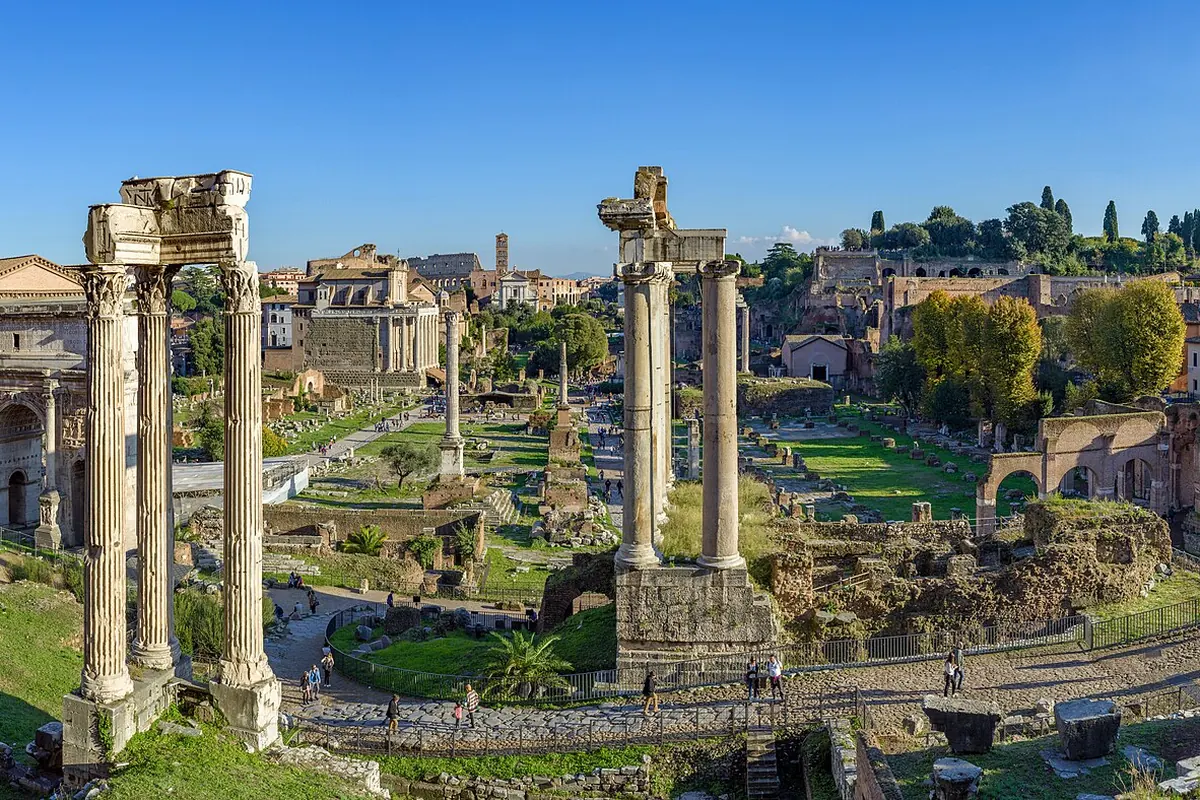
One of the political, religious and social centres of ancient Rome, the Roman Forum is a large archaeological site made up of temples, arches and the remains of historic buildings.
It is one of the key sights you can visit on the same day after the Colosseum.
Along the Via Sacra, which runs the length of the Forum, you can see the Arches of Septimius Severus and Titus, the columns of the Temple of Saturn and the remains of the Temple of Vesta.
Tip: For the widest view of the Forum, head up to the viewpoints on the Capitoline Hill side at the end of your visit.
Trevi Fountain
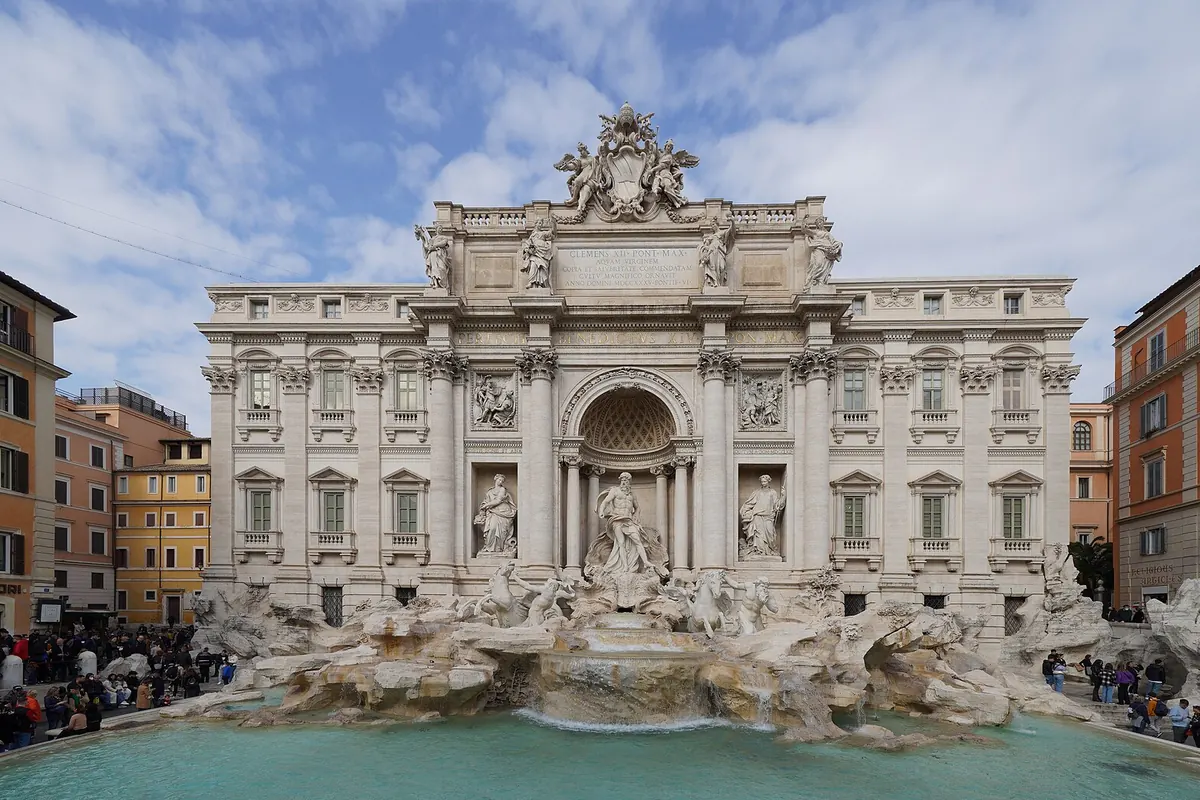
One of Rome's most famous monuments, the Trevi Fountain, with its Baroque architecture and central location, is one of the most visited spots in the city.
It can be added to a walking route together with other central sights such as the Pantheon and the Spanish Steps.
Designed by Nicola Salvi, the fountain was completed in 1762. It is said that throwing a coin over your shoulder into the basin, with your back to the fountain, ensures you will return to Rome.
Tip: Since 2 February 2026, access to the basin area directly in front of the fountain costs €2; the square and viewing from a distance are free. The ticket is valid daily from 09:00 to 22:00.
Pantheon
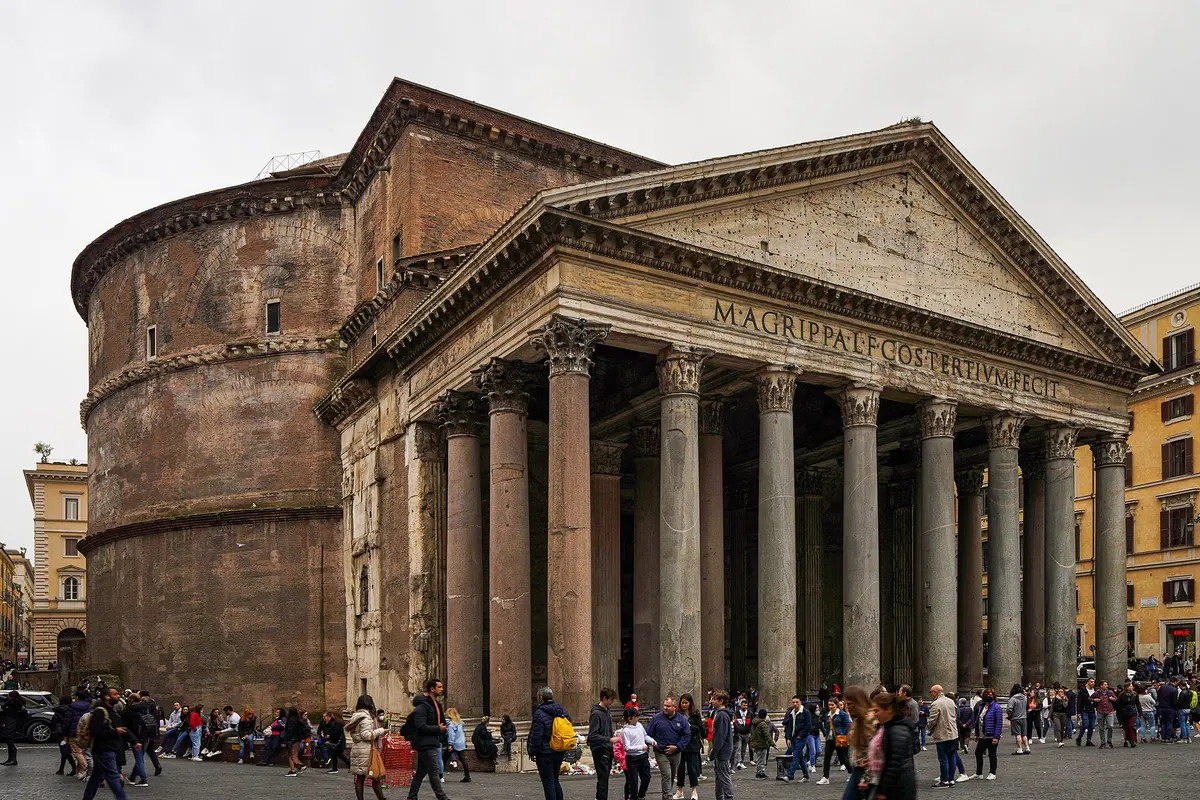
One of the best-preserved buildings to have survived from ancient Rome, the Pantheon, with its impressive dome and historic architecture, is a key stop in the city centre.
The present building was constructed in the 2nd century AD under Emperor Hadrian. The opening at the top of the dome (the oculus) is the only source of natural light inside. The tomb of the Renaissance painter Raphael is also in the Pantheon.
Tip: There is a charge to enter the Pantheon: since 1 July 2026, a full-price ticket costs €7, and under-18s go free.
Spanish Steps
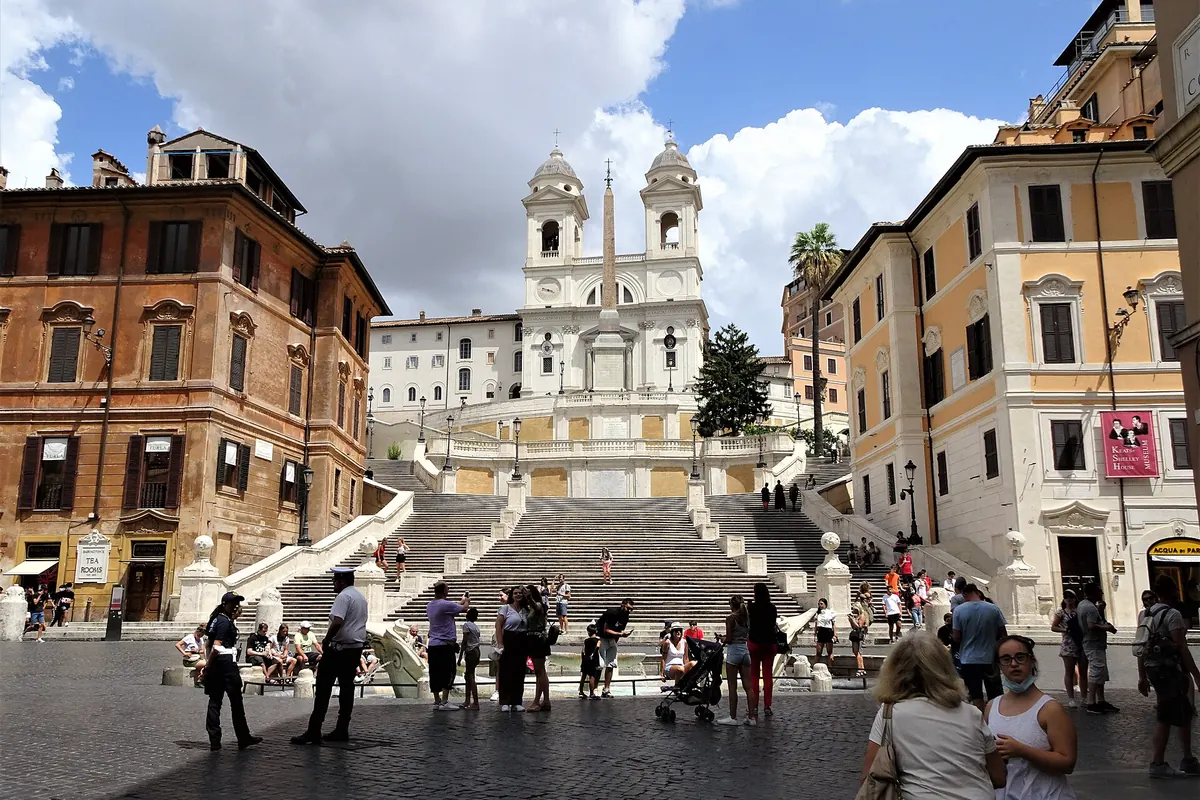
Located on Piazza di Spagna, the Spanish Steps are one of Rome's best-known meeting points and walking spots.
Together with the surrounding shopping streets and historic squares, they are easy to add to a walking route in the city centre.
Built between 1723 and 1725, the steps link the square with the church of Trinità dei Monti at the top. At the foot of the steps is the Barcaccia Fountain, attributed to the Bernini family.
Tip: Under city council rules, sitting on the steps is not allowed; early morning is quieter for photos.
Piazza Navona

With its Baroque architecture, fountains and the historic buildings around it, Piazza Navona is one of Rome's most impressive squares.
As it is close to the Pantheon, you can visit both on the same walking route.
Because the square was built on the site of the Stadium of Domitian, it keeps its long oval shape. The Fountain of the Four Rivers in the centre is by Bernini, while the facade of the church of Sant'Agnese in Agone opposite is the work of Borromini.
Tip: In the evening, with street artists and illuminated fountains, the square takes on a completely different atmosphere.
Trastevere
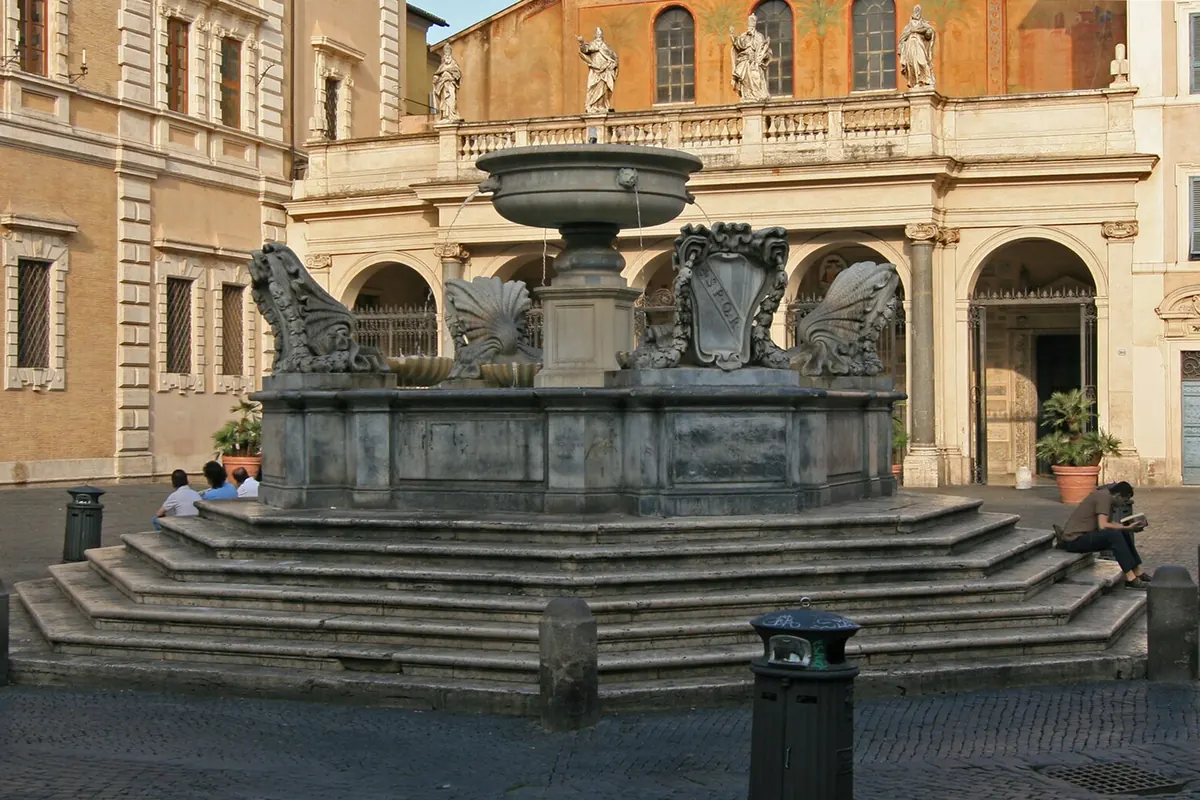
With its narrow streets, restaurants and more local atmosphere, Trastevere offers a different city experience from Rome's historic centre.
It is one of the most popular areas for eating out and strolling, especially in the evening.
The basilica on Piazza di Santa Maria in Trastevere, the heart of the neighbourhood, is one of Rome's oldest churches, with gold-ground mosaics in its apse.
Tip: You can walk across the Tiber on the Ponte Sisto bridge and combine it with Campo de' Fiori in the same evening.
Villa Borghese
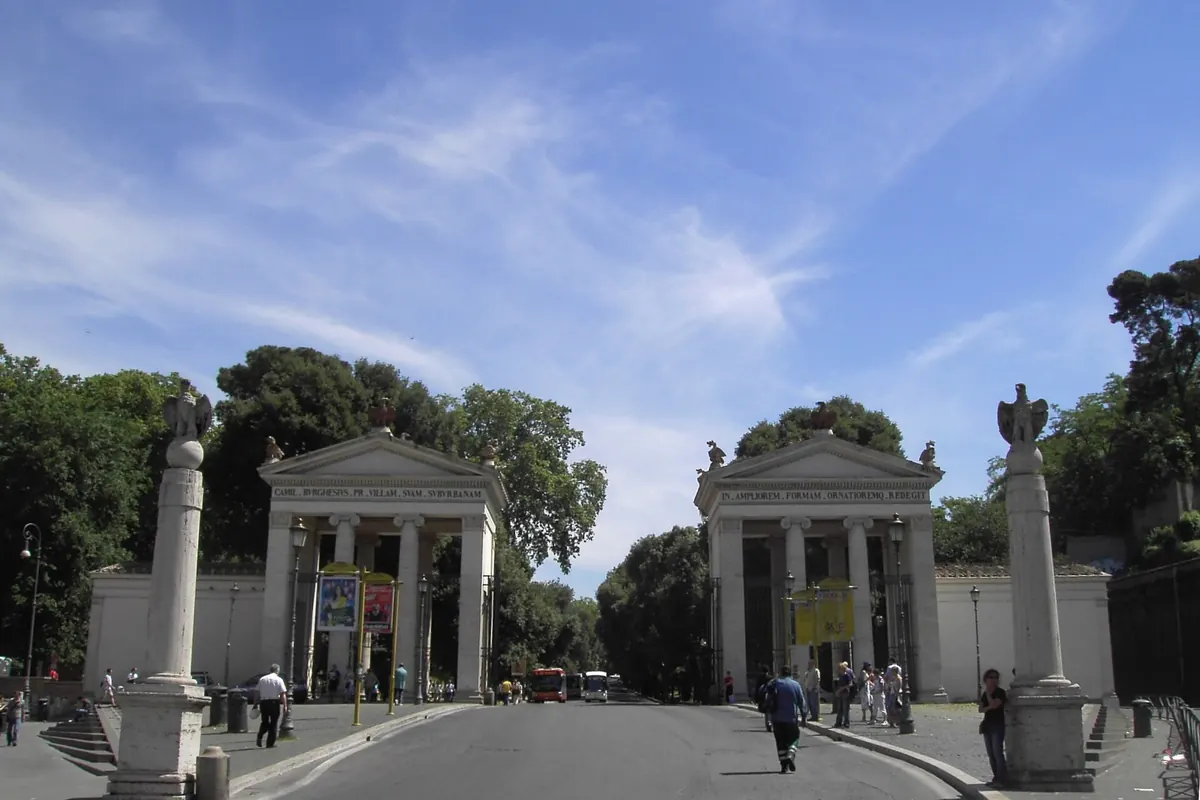
One of the largest green spaces in the city centre, Villa Borghese is a good place to spend some quieter time between busy historic sightseeing.
Inside the park there are museums, walking areas and various spots with city views.
The Borghese Gallery in the park is known for its Bernini sculptures and Caravaggio paintings; you need to book in advance to visit. The park's Pincio Terrace is one of the viewpoints overlooking Piazza del Popolo and the city's domes.
Tip: You can hire a bike or a small electric vehicle in the park to get around the large grounds more easily.
Vatican Museums and Sistine Chapel
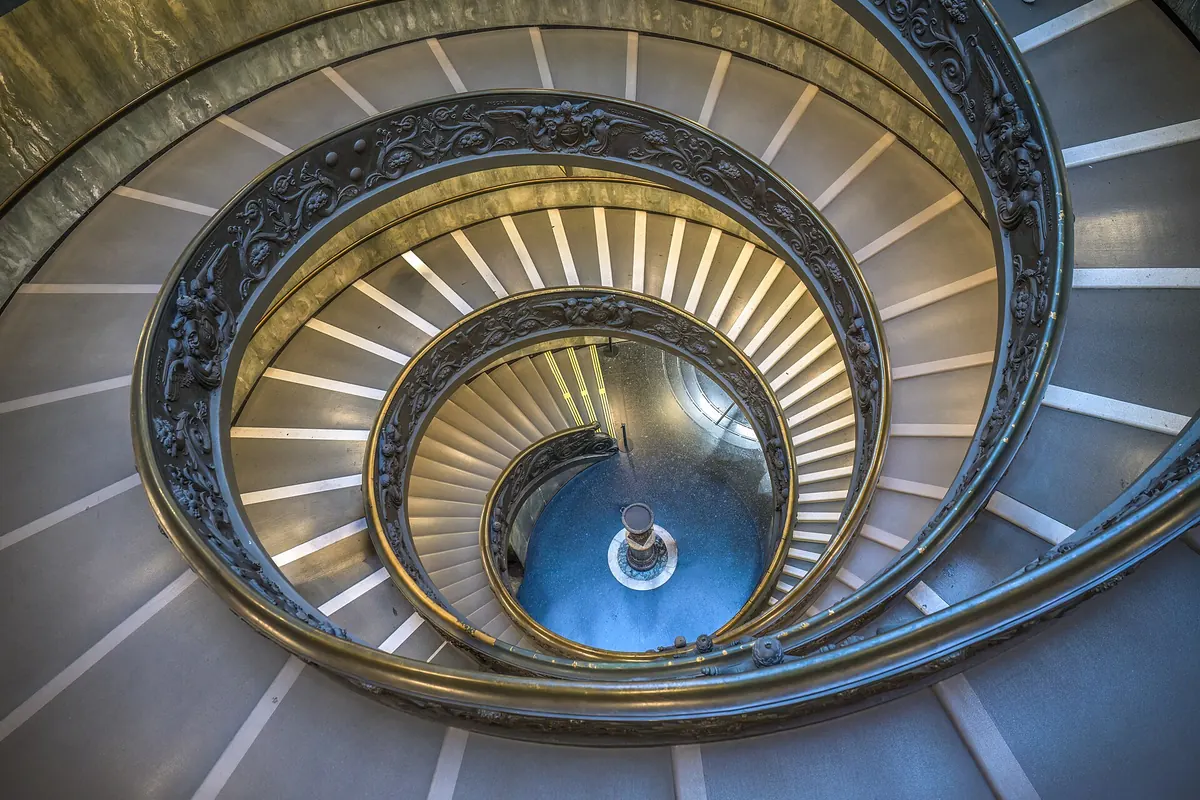
Home to the papal collections, the Vatican Museums are one of the most comprehensive art museums in the world. The Raphael Rooms, the Gallery of Maps and the ancient sculpture collections are the main stops on a visit.
Michelangelo painted the ceiling frescoes of the Sistine Chapel, at the end of the route, between 1508 and 1512, and completed the Last Judgement fresco on the altar wall years later. Photography is not allowed in the chapel.
Tip: The museums are open Monday to Saturday from 08:00 to 20:00 (last entry 18:00). Entry is free on the last Sunday of every month from 09:00 to 14:00 (last entry 12:30); these are the most crowded days.
St Peter's Basilica and Square
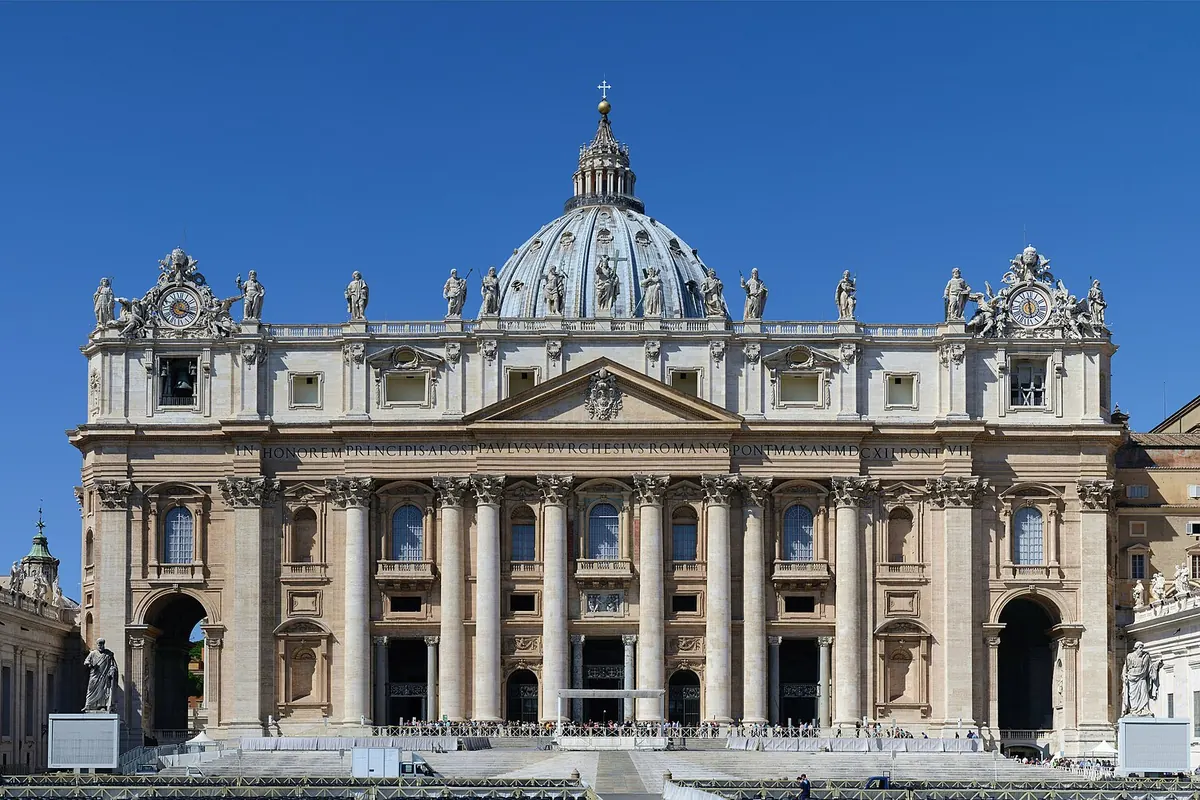
One of the most important buildings in the Catholic world, St Peter's Basilica opens onto St Peter's Square, surrounded by the colonnades designed by Bernini. The basilica's dome was designed by Michelangelo.
Inside, you can see Michelangelo's Pietà and Bernini's bronze baldachin. Climbing the dome opens up one of the most impressive views of the square and the city.
Tip: Shoulders and knees are expected to be covered to enter the basilica. Climbing the dome is separate and has a charge.
Castel Sant'Angelo and Ponte Sant'Angelo
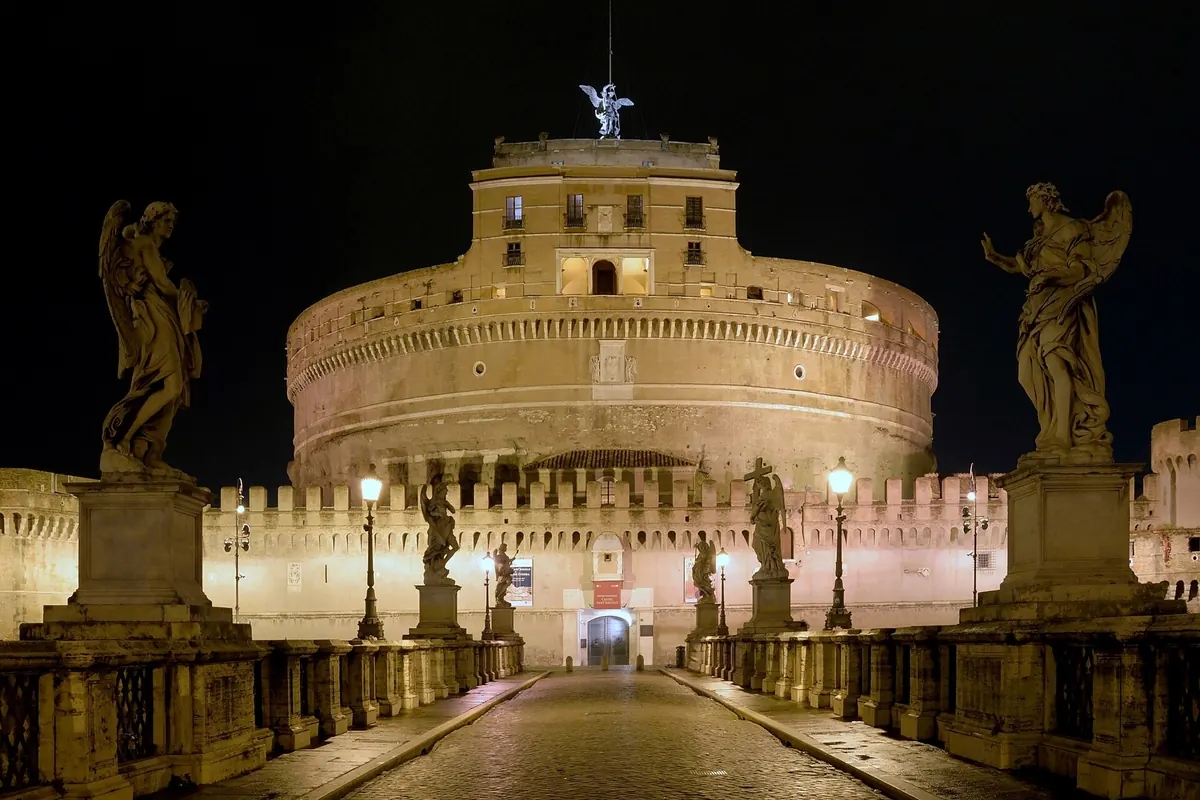
Built as the mausoleum of Emperor Hadrian, the building has been used over the centuries as a fortress, a papal refuge and a prison, and today it is open as a museum.
Ponte Sant'Angelo, the bridge leading to the castle, is decorated with angel statues from Bernini's workshop. From the castle terrace you can see the dome of St Peter's and the Tiber.
Tip: After visiting the Vatican, you can walk there along the Tiber and photograph the bridge at sunset.
Palatine Hill
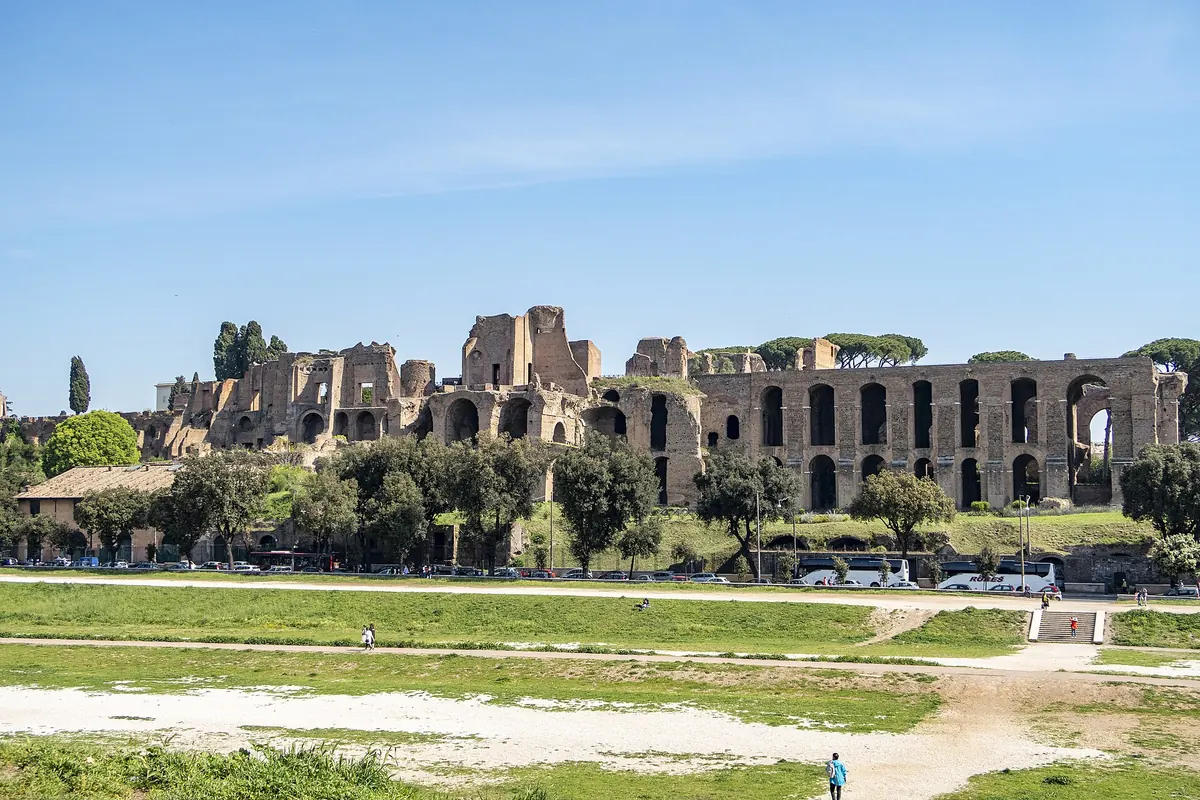
According to legend the place where Rome was founded, the Palatine Hill is covered with the remains of imperial palaces. From the hill you can see the Roman Forum on one side and the Circus Maximus on the other.
As it is part of the same archaeological park as the Colosseum and the Forum, planning all three on the same day is the most efficient approach.
Tip: There is little shade; in summer, go in the morning and take water with you.
Campo de' Fiori
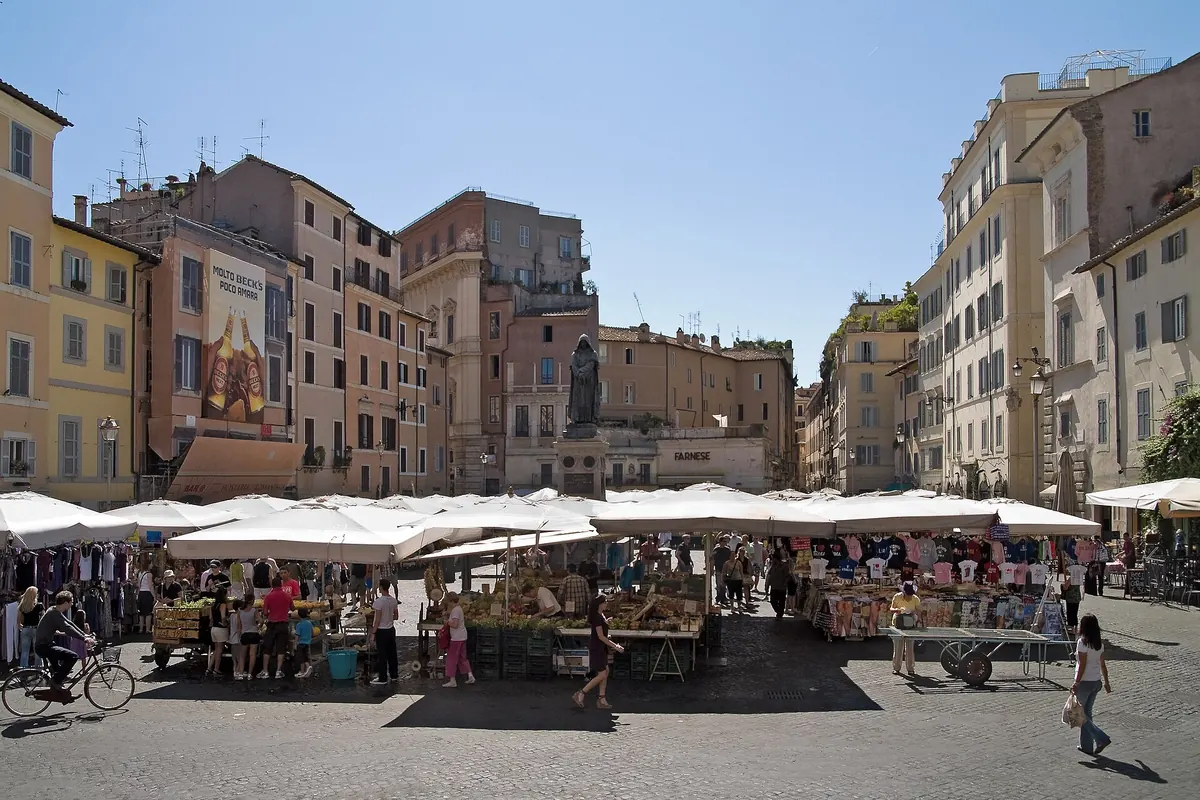
Known for its morning fruit, vegetable and flower market, Campo de' Fiori turns into a lively meeting point with cafés and restaurants in the evening.
In the middle of the square stands the statue of the philosopher Giordano Bruno, who was burned at the stake in this square in 1600.
Tip: It is a few minutes' walk from Piazza Navona; you can include both squares in the same walk.
Piazza del Popolo
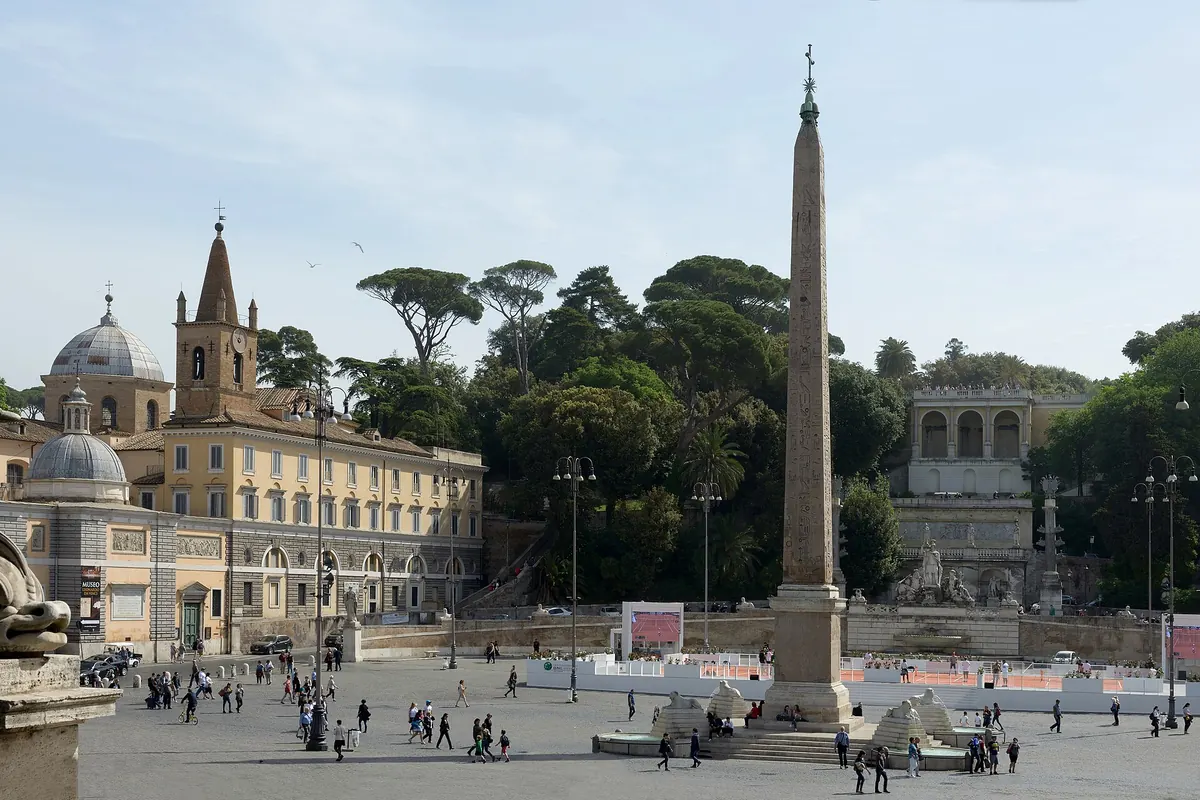
The Flaminio obelisk, brought from Egypt, rises in the middle of this large square at the northern entrance to the city. The twin-looking churches at the southern end of the square mark the start of Via del Corso.
The church of Santa Maria del Popolo, on a corner of the square, holds two paintings by Caravaggio. From here, steps lead up to the Pincio Terrace.
Tip: You can watch the sunset from the Pincio Terrace and then walk along Via del Corso towards the historic centre.
Piazza Venezia and the Vittoriano
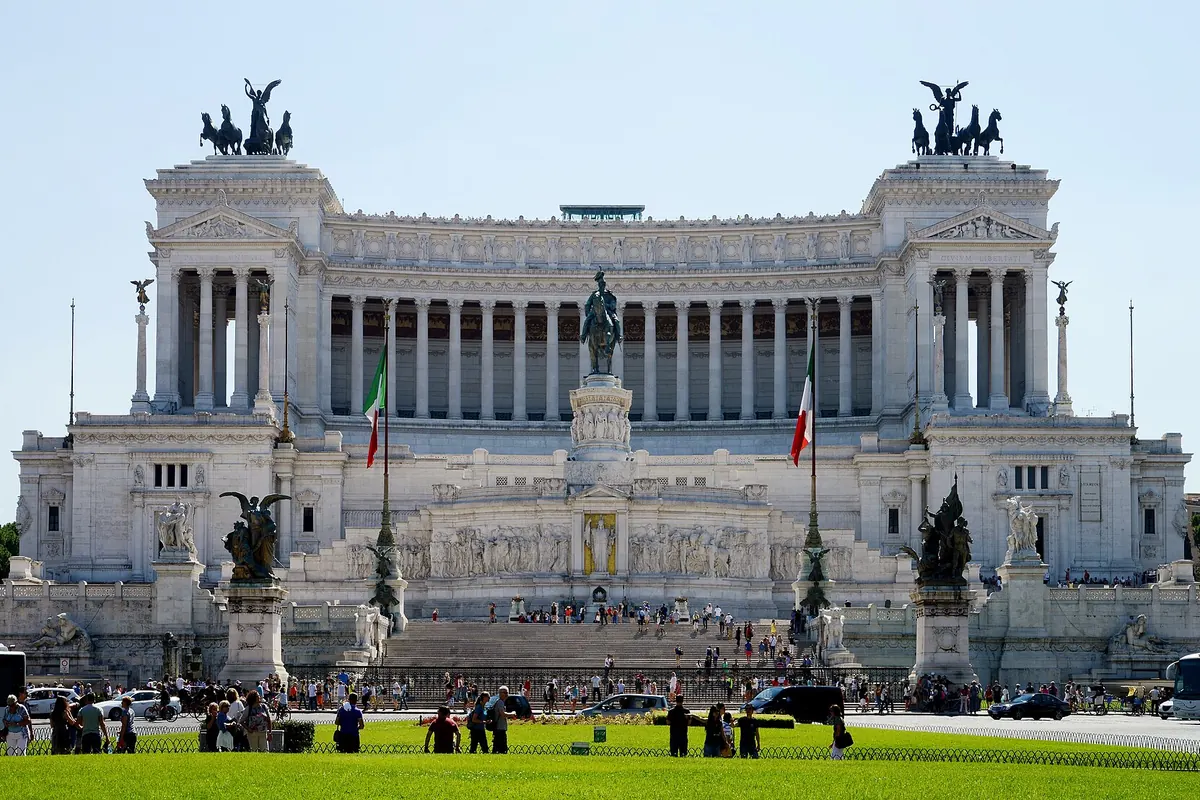
Built in memory of Victor Emmanuel II, the first king of unified Italy, the white marble monument dominates Piazza Venezia. It also houses the Tomb of the Unknown Soldier; because of its size and shape, Romans jokingly call it "the typewriter".
As it lies between the Colosseum and the historic centre, it is a natural link between the two routes.
Tip: From the upper levels of the monument there is a wide view of the city towards the Roman Forum and the Colosseum.
Capitoline Hill and Capitoline Museums
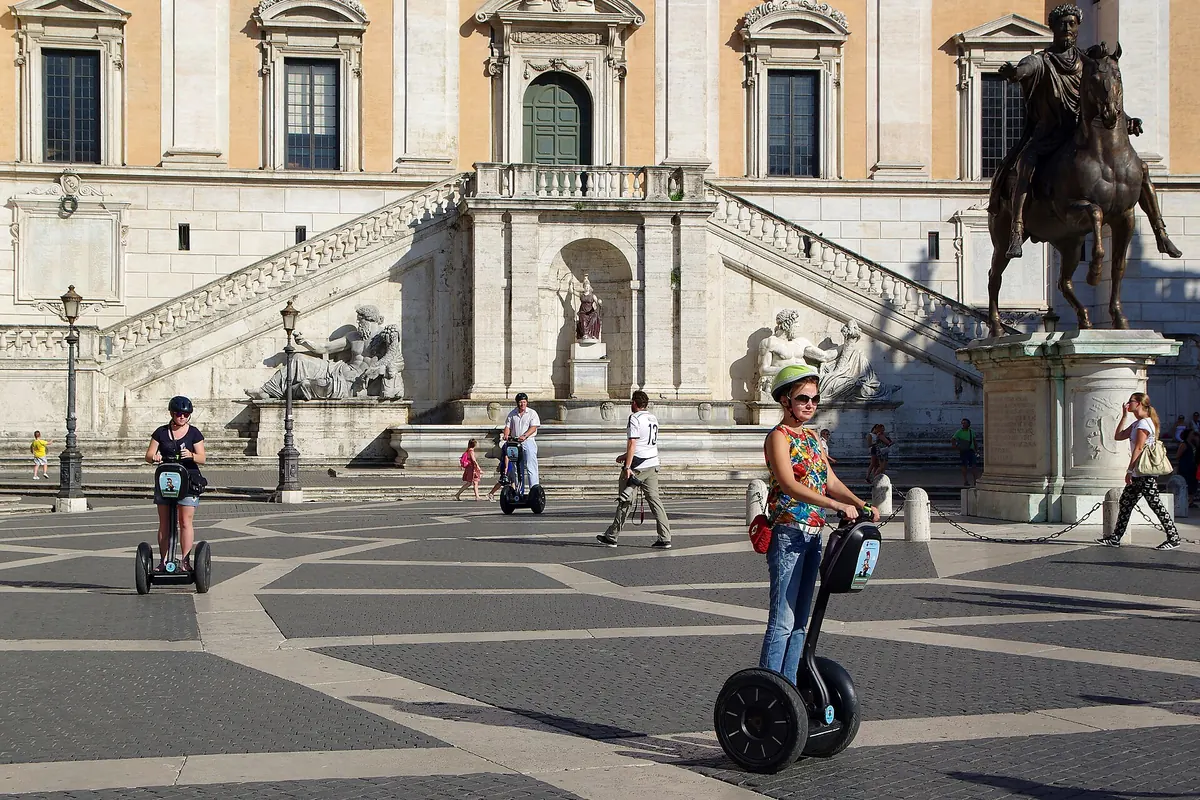
Piazza del Campidoglio on the Capitoline, one of the seven hills of ancient Rome, was designed by Michelangelo. In the middle of the square stands a copy of the equestrian statue of Marcus Aurelius; the original is kept in the museum.
The Capitoline Museums, in the buildings around the square, are known for their ancient works, above all the statue of the she-wolf suckling Romulus and Remus, and are regarded as one of the oldest public museums in the world.
Tip: The passage between the museum buildings leads to a viewpoint looking down on the Roman Forum.
Baths of Caracalla
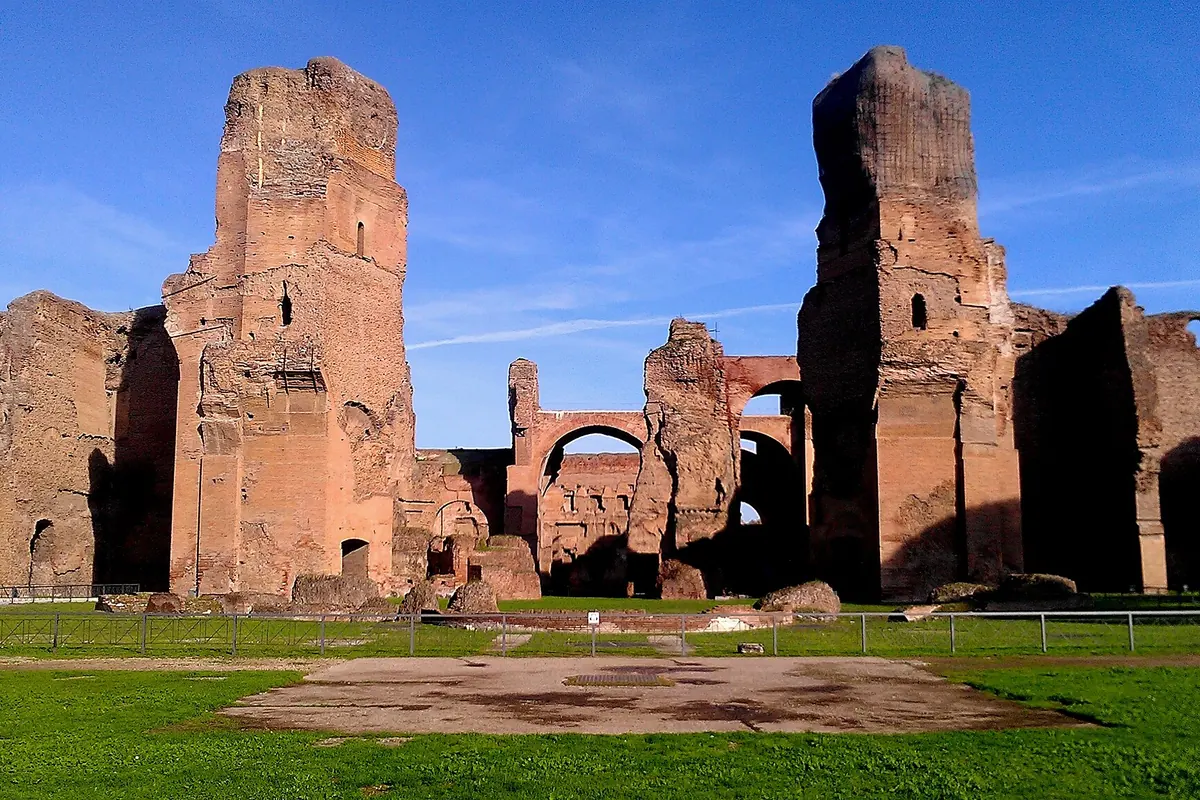
Opened at the beginning of the 3rd century AD, the Baths of Caracalla are one of the largest and best-preserved bath complexes of ancient Rome. The tall brick walls still convey the scale of the building today.
In the summer months, the ruins are used as the open-air stage of the Rome Opera House.
Tip: It is a good alternative if you are looking for a quieter ancient site away from the crowds in the centre.
Circus Maximus
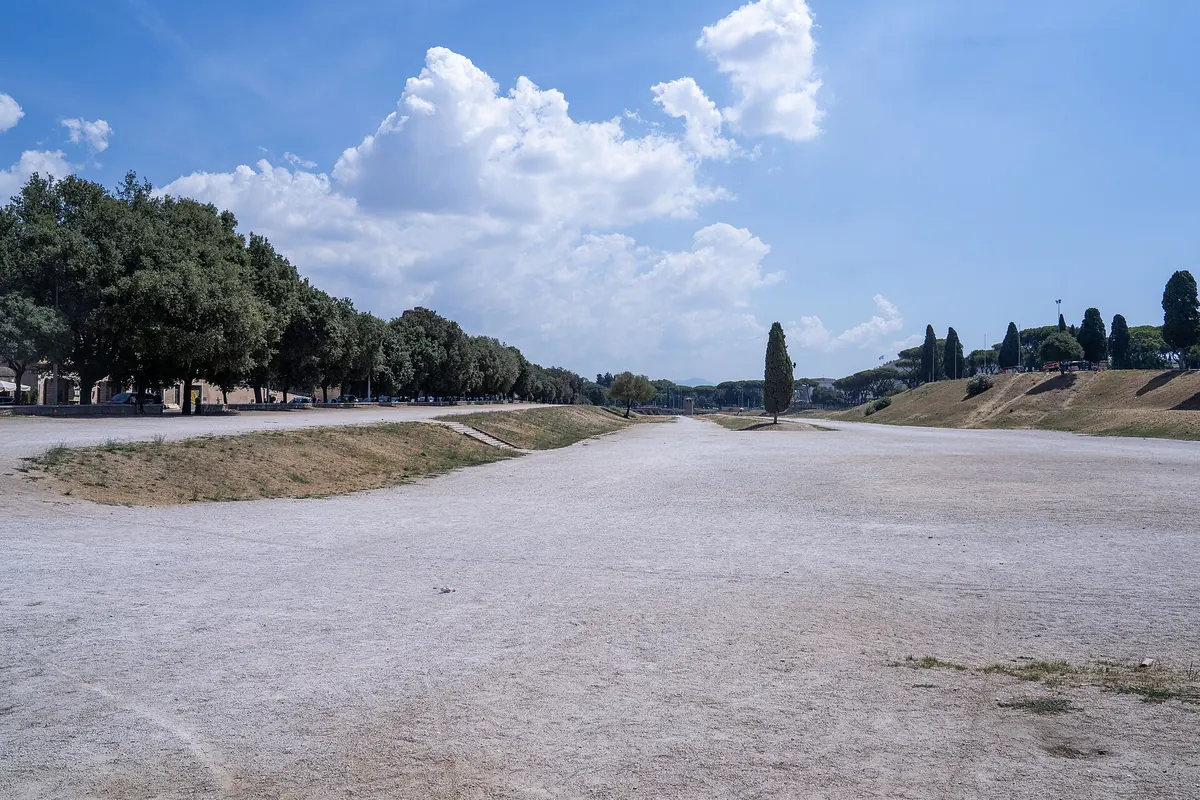
The site of ancient Rome's huge chariot-racing stadium is today a long, grassy open space. The palace ruins on the Palatine Hill can be seen from one side of it.
It also hosts some of the city's big concerts and events from time to time.
Tip: It can be combined with the Aventine Hill and the Bocca della Verità on the same walk.
Bocca della Verità (Mouth of Truth)
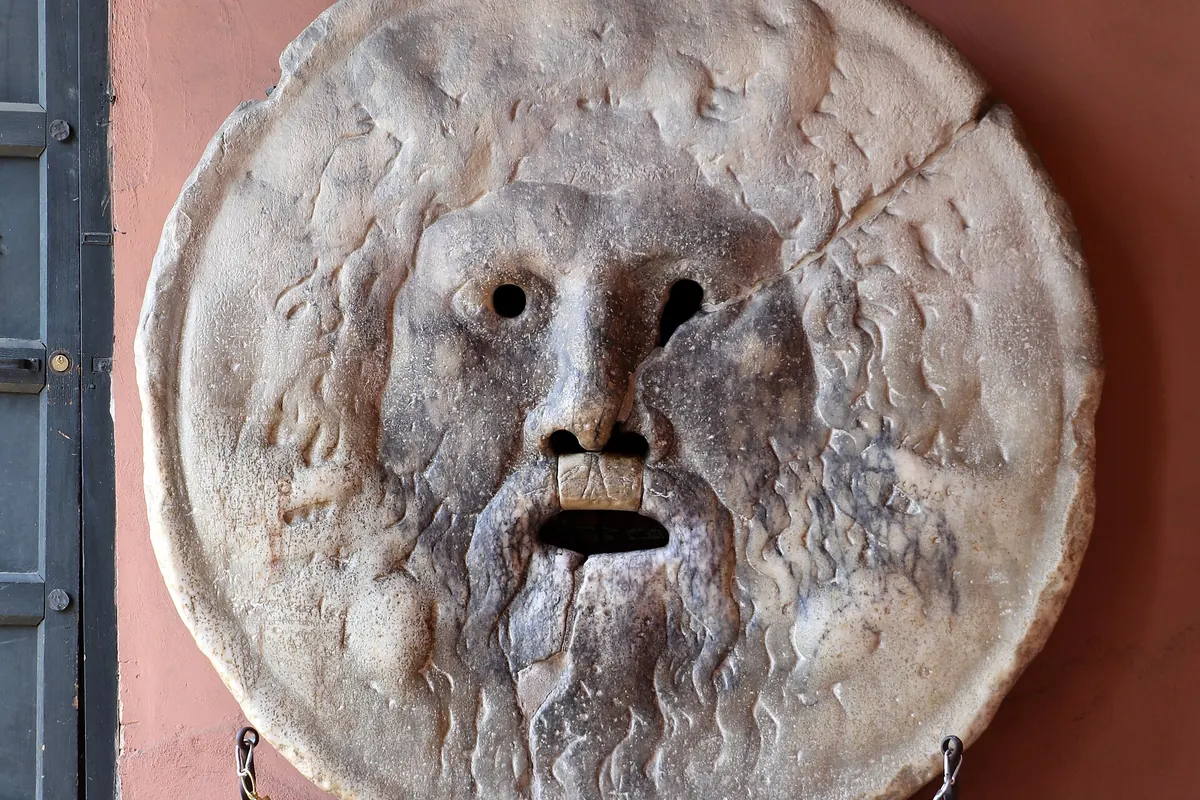
The marble mask at the entrance to the church of Santa Maria in Cosmedin is famous for the legend that it will bite off the hand of any liar who puts it in its mouth.
It became famous worldwide thanks to the scene in Roman Holiday (1953), starring Audrey Hepburn and Gregory Peck.
Tip: There may be a short queue for photos; the wait is shorter early in the morning.
Aventine Hill and the Keyhole
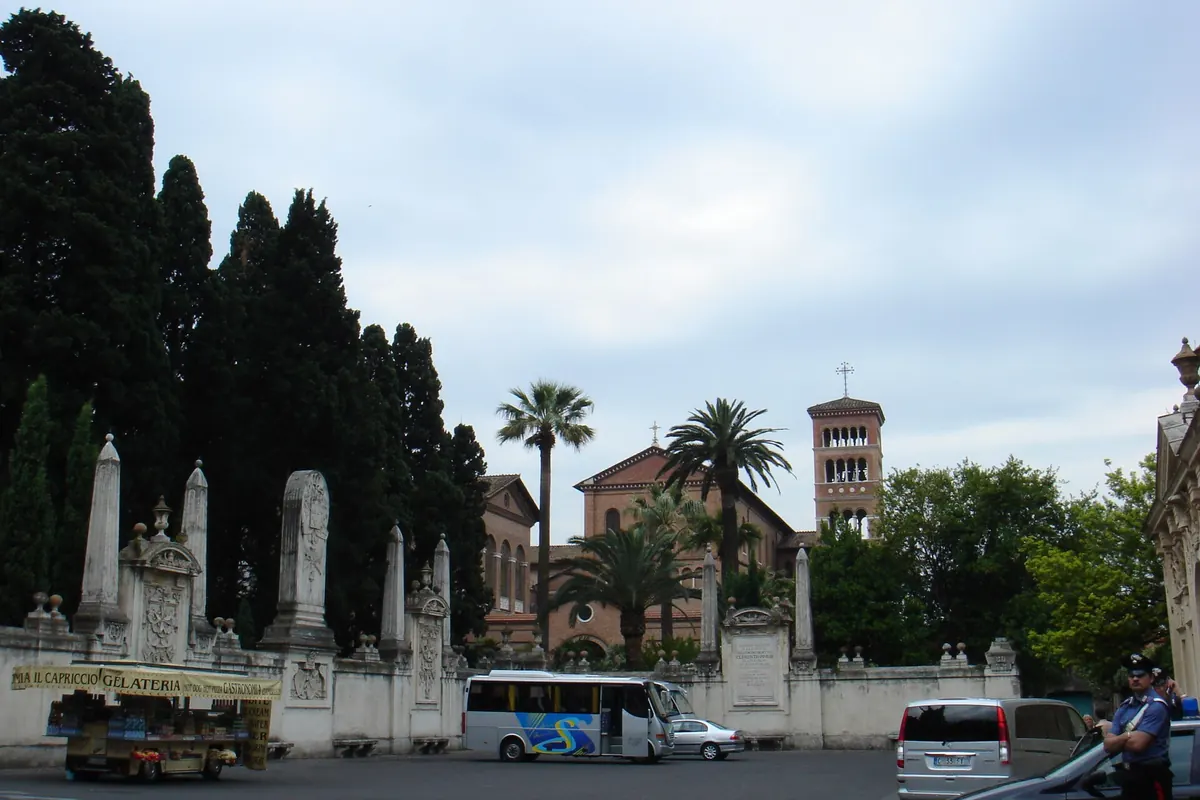
In the Piazza dei Cavalieri di Malta (Knights of Malta Square) on the Aventine, a quiet residential area, looking through the keyhole of a gate reveals the dome of St Peter's Basilica at the end of the garden.
The nearby Orange Garden (Giardino degli Aranci), with its views of the Tiber and the city, is a popular sunset spot.
Tip: There may be a queue at the keyhole; weekdays and mornings are quieter.
Basilica of Santa Maria Maggiore
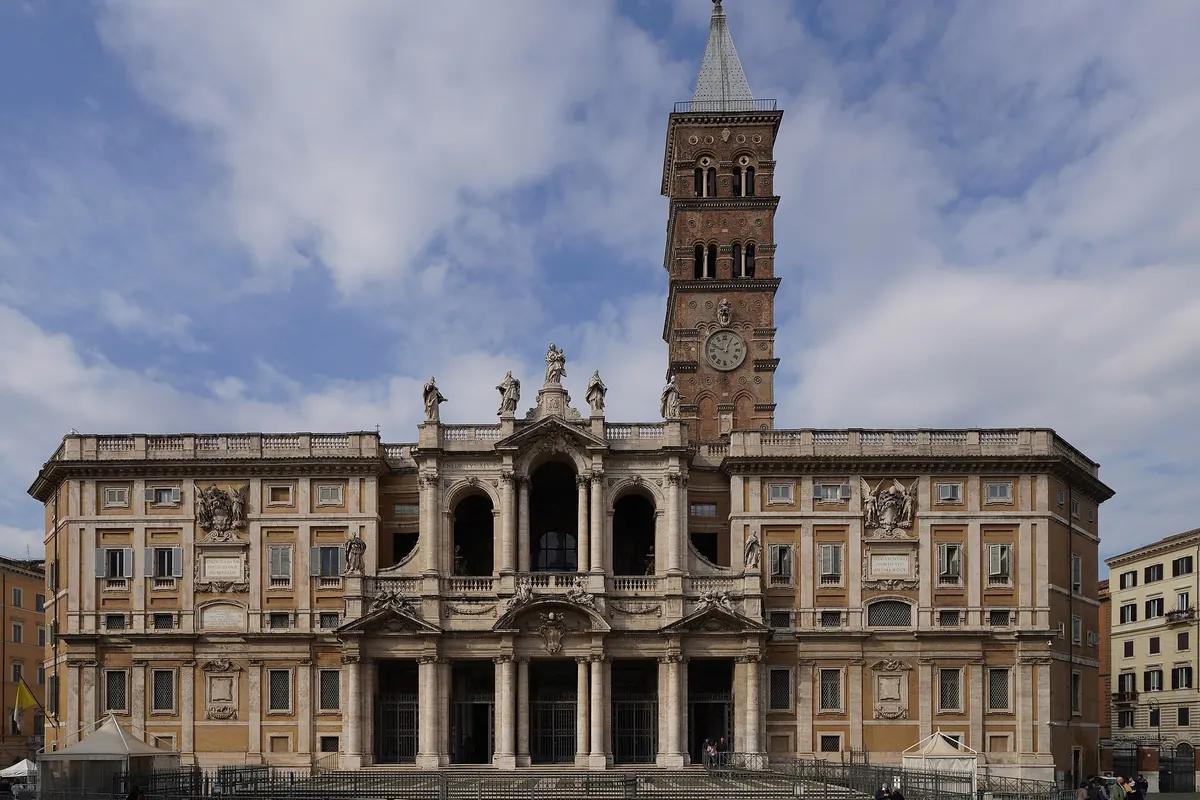
One of Rome's four major papal basilicas, Santa Maria Maggiore stands out for its 5th-century mosaics and magnificent ceiling. Pope Francis, who died in 2025, is also buried in this basilica.
As it is within walking distance of Termini Station, it can be one of the first stops for those arriving in the city by train.
Tip: The dress code (shoulders and knees covered) is enforced at the basilica entrance.
Via Appia Antica
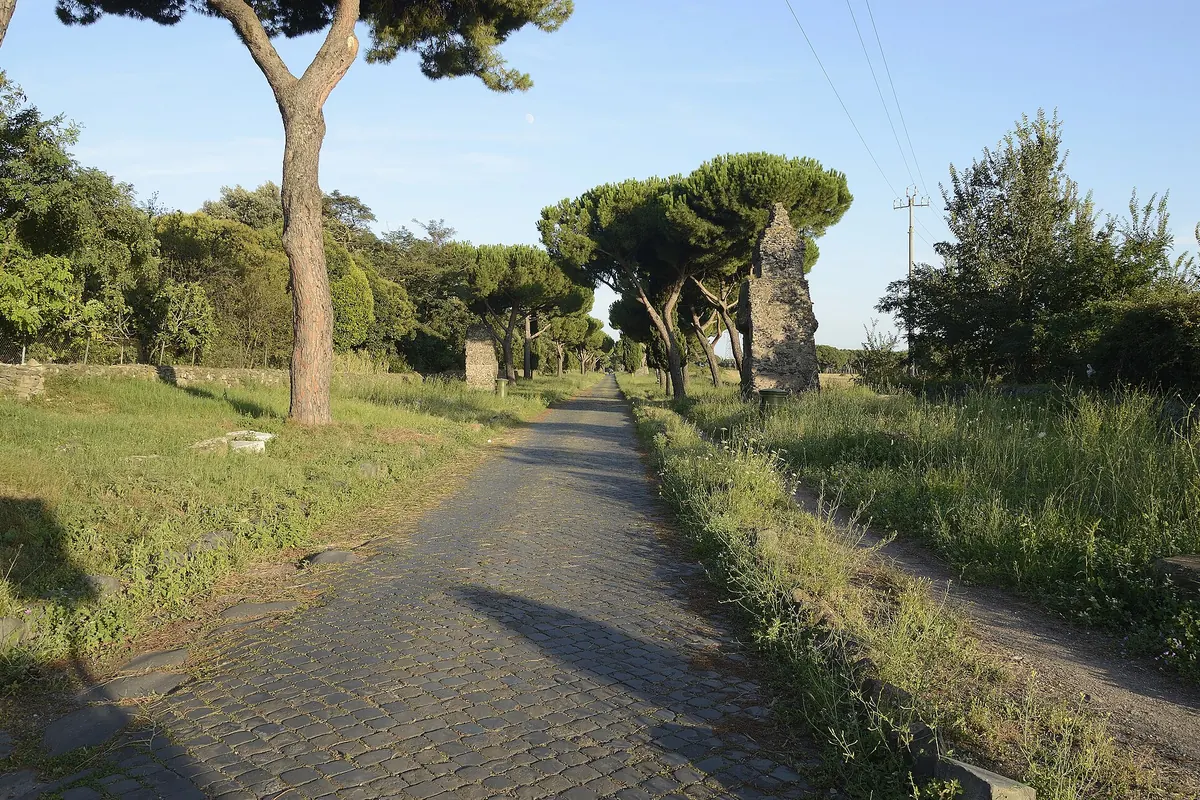
Begun in 312 BC, the Via Appia is one of the most important ancient roads, linking Rome with southern Italy. Today part of the stone-paved road lined with pine trees is used for walking and cycling.
Along the road you can visit early Christian catacombs such as San Callisto and San Sebastiano.
Tip: As it lies outside the centre, hiring a bike or joining a guided tour makes the route easier.
For more information on Rome's historic buildings, museums and city routes, you can visit Rome's official tourism portal as well.
How Many Days Do You Need for Rome?
Rome's historic centre is quite large and there are a great many sights. A few days may be enough if you only want to see the main landmarks, while those who also want to explore museums and different neighbourhoods will find a longer programme more comfortable.
The Colosseum, the Roman Forum, the Trevi Fountain, the Pantheon and the main squares.
The main historic sights + Trastevere + Villa Borghese.
A relaxed programme with more museums, neighbourhoods and trips around the city.
Things to Do in Rome: A Sample 3-Day Itinerary
You can devote the first day to the Colosseum, the Roman Forum and the Palatine Hill area. This way you can see a large part of Rome's ancient heritage on the same route.
Colosseum → Palatine Hill → Roman Forum → Capitoline Hill → Piazza Venezia
On the second day, you can put together a walking route between the Trevi Fountain, the Pantheon, Piazza Navona and the Spanish Steps.
Spanish Steps → Trevi Fountain → Pantheon → Piazza Navona → Campo de' Fiori
On the third day, you can plan a more relaxed programme for Trastevere, Villa Borghese and the areas you could not see on the first two days.
Vatican Museums → St Peter's Basilica → Castel Sant'Angelo → dinner in Trastevere
If you have a fourth day, you can set aside the morning for Villa Borghese and Piazza del Popolo, and the afternoon for the Baths of Caracalla and the Via Appia Antica.
When to Go to Rome
Rome can be visited all year round, but most of a sightseeing programme consists of walking and outdoor visits.
Spring and autumn are often preferred for city breaks because of their milder weather. In summer, temperatures and visitor numbers can be higher.
Although the weather is cooler in winter, museum queues are shorter; around Christmas, however, the city gets crowded again.
Getting Around Rome
As many of the sights in Rome's historic centre are close to one another, walking makes up a large part of sightseeing in the city.
For areas further out, you can use public transport such as the metro, buses and trams. On a short trip, choosing accommodation in a central area or near public transport links can be an advantage.
The Leonardo Express train runs directly between Fiumicino Airport and Termini Station in the city centre. The Colosseum, the Spanish Steps (Spagna) and Ottaviano, near the Vatican, are stops on the metro lines.
Where to Stay in Rome
For first-time visitors to Rome, staying in areas close to the historic centre can make it easier to reach the main sights.
Centro Storico, Monti and Trastevere are among the popular areas suited to different travel styles. When choosing accommodation, consider walking distances and transport links together.
The Pantheon, Navona and Trevi within walking distance; the most practical area for a first visit.
A neighbourhood close to the Colosseum and the Forum, full of cafés and boutiques.
Lively with its nightlife and restaurants, with a more local atmosphere.
What to Eat in Rome
Roman cuisine is one of Italy's best-known regional cuisines. Carbonara, cacio e pepe, amatriciana and various kinds of pizza are among the main dishes to try in the city.
You will find traditional restaurants and trattorias, especially in Trastevere and around the historic centre.
For street food, try supplì (fried rice balls filled with cheese), maritozzo (a sweet bun filled with cream) and pizza by the slice (pizza al taglio); a gelato break between sights is also part of the Rome experience.
Tickets and Practical Information for a Trip to Rome
- Trevi Fountain: Since 2 February 2026, access to the area in front of the basin costs €2; the square is free. Rome residents and children under 5 are exempt.
- Pantheon: Since 1 July 2026, a full-price ticket costs €7; under-18s go free.
- Vatican Museums: Monday to Saturday 08:00–20:00 (last entry 18:00); free on the last Sunday of every month 09:00–14:00 (last entry 12:30).
- Dress code: Shoulders and knees are expected to be covered in St Peter's Basilica and other churches.
- Sistine Chapel: Taking photos and videos in the chapel is not allowed.
Prices and opening hours are taken from official sources (the Roma Capitale tourism portal, the Vatican Museums and the Italian Ministry of Culture) as of November 2026; check the latest information before you travel.
Do You Need a Visa to Travel to Rome?
As Rome is in Italy, holders of a standard (burgundy) Turkish passport generally need to follow the Schengen visa rules for short tourist trips. For other nationalities, including foreign nationals living in Türkiye, the requirement depends on nationality.
Since application requirements can vary by passport type, purpose of travel and personal circumstances, it is important to check the current conditions before you travel.
For detailed information on requirements and the documents you need, see our Italy Visa page. For the document list, see Italy visa documents; for current fees, see Italy visa fee and for the appointment steps, see Italy visa appointment – check them before you apply.
Italy Visa for Your Trip to Rome
If you have planned your trip to Rome, the GöçmenVizesi consultancy team can give you professional support with your Italy visa application, preparing the required documents and the application process.
View Italy Visa InformationThings to Do in Rome: Frequently Asked Questions
What are the must-see places in Rome?
The Colosseum, the Roman Forum, the Trevi Fountain, the Pantheon, Piazza Navona, the Spanish Steps and Trastevere are among the city's highlights. On a first visit, you should also add the Vatican Museums and St Peter's Basilica.
How many days do you need in Rome?
Rome's main sights can be seen in a 2–3 day programme. If you want to explore more museums and neighbourhoods, you can plan a trip of 4 days or longer.
Can you get around Rome on foot?
As many of the key sights in the historic centre are close to one another, much of Rome can be explored on foot. For areas further out, you can use public transport.
Do you have to pay to see the Trevi Fountain?
The square is free. Since 2 February 2026, you need a €2 ticket to go down to the basin area directly in front of the fountain; Rome residents and children under 5 are exempt.
Is there a charge to enter the Pantheon?
Yes. Since 1 July 2026, a full-price ticket costs €7; visitors under 18 enter free.
Which day are the Vatican Museums free?
Entry is free on the last Sunday of every month from 09:00 to 14:00 (last entry 12:30). As long queues form on these days, you need to go early.
What to eat in Rome
Carbonara, cacio e pepe, amatriciana and pizza are among the best-known dishes to try in Rome.
Do you need a Schengen visa for Rome?
Italy is in the Schengen Area. Turkish citizens holding a standard (burgundy) passport generally need a Schengen visa for short tourist trips. For other nationalities, the requirement depends on nationality.
GöçmenVizesi is not an official consulate or public authority. It is a travel and visa consultancy that provides professional consultancy services on visa application processes.
The photos of the places in this guide are from Wikimedia Commons and are used under the author and licence terms given below each image.