

Things to Do in Milan: A Travel Guide for First-Time Visitors
Bringing together fashion, design, art and historic architecture, Milan is one of Italy's most important cities. In this guide to Milan's top sights you will find the essentials you may need when planning your trip, from how many days to stay to shopping and transport options.
Things to Do in Milan: The List
Milan's top sights go well beyond fashion and shopping: the city is also rich in historic buildings, art galleries, museums and characterful neighbourhoods.
The table below lists the 20 places in this guide by area, with the approximate time you should allow; each row takes you to the relevant section.
| Place | Area | Suggested time | Note |
|---|---|---|---|
| Duomo di Milano | Historic centre | 1.5–2 hours | Book terrace tickets in advance |
| Galleria Vittorio Emanuele II | Historic centre | 30–45 min | Free to walk through |
| Sforza Castle | Historic centre | 2 hours | Courtyards free |
| Brera | Brera | Half a day | — |
| Navigli | Navigli | Evening | Ideal for the evening |
| La Scala | Historic centre | 1 hour | Museum visit |
| Parco Sempione | Historic centre | 1 hour | — |
| Santa Maria delle Grazie and the Last Supper | Corso Magenta | 1 hour | Booking compulsory |
| Brera Art Gallery (Pinacoteca di Brera) | Brera | 2 hours | Art museum |
| Museo del Novecento and Palazzo Reale | Historic centre | 1.5 hours | — |
| Basilica of Sant'Ambrogio | Sant'Ambrogio | 45 min | — |
| Arco della Pace | Historic centre | 20–30 min | — |
| Cimitero Monumentale | Porta Garibaldi | 1 hour | — |
| Bosco Verticale and Porta Nuova | Porta Nuova | 1 hour | — |
| Columns of San Lorenzo | Ticinese | 20–30 min | — |
| Leonardo da Vinci Museum of Science and Technology | Sant'Ambrogio | 2–3 hours | — |
| San Siro (Giuseppe Meazza) Stadium | San Siro | 1.5 hours | Stadium tour |
| Via Montenapoleone and the Fashion Quadrilateral | Historic centre | 1–2 hours | Luxury shopping |
| Triennale Milano | Historic centre | 1.5 hours | — |
| Day trip: Lake Como | Outside Milan | Full day | Day trip by train |
Duomo di Milano
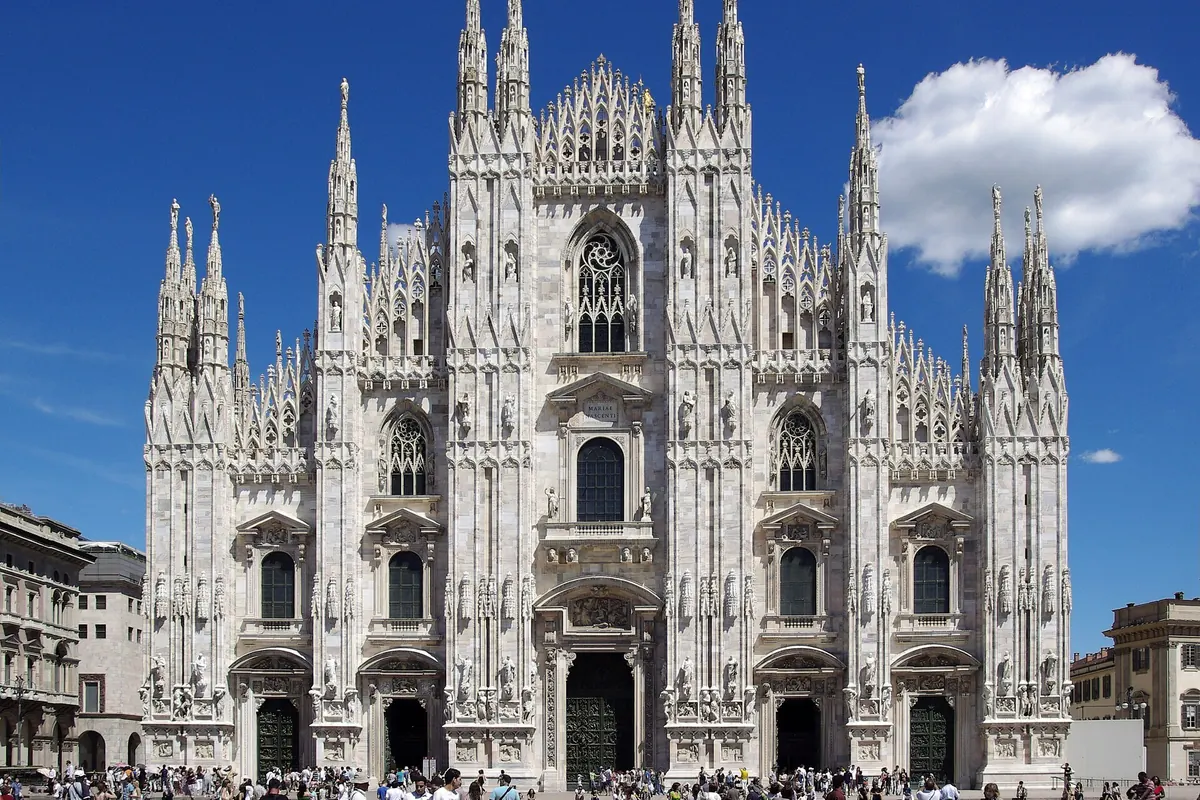
The symbol of Milan, the Duomo is one of the most important buildings in the city's historic centre. With its Gothic architecture, detailed exterior and large square, it is one of the essential stops on a trip to Milan.
The area around the cathedral is also a good starting point for reaching many of the city's key sights on foot.
Construction of the cathedral began in 1386 and took centuries to complete. On top of its highest spire stands the gilded Madonnina statue, the symbol of the city. The roof terraces let you walk among hundreds of marble statues and spires and see the city from above.
Tip: You need a ticket for the cathedral and the terraces; you can go up to the terraces by stairs or by lift. From spring to autumn and at weekends, you need to buy your ticket in advance.
Galleria Vittorio Emanuele II
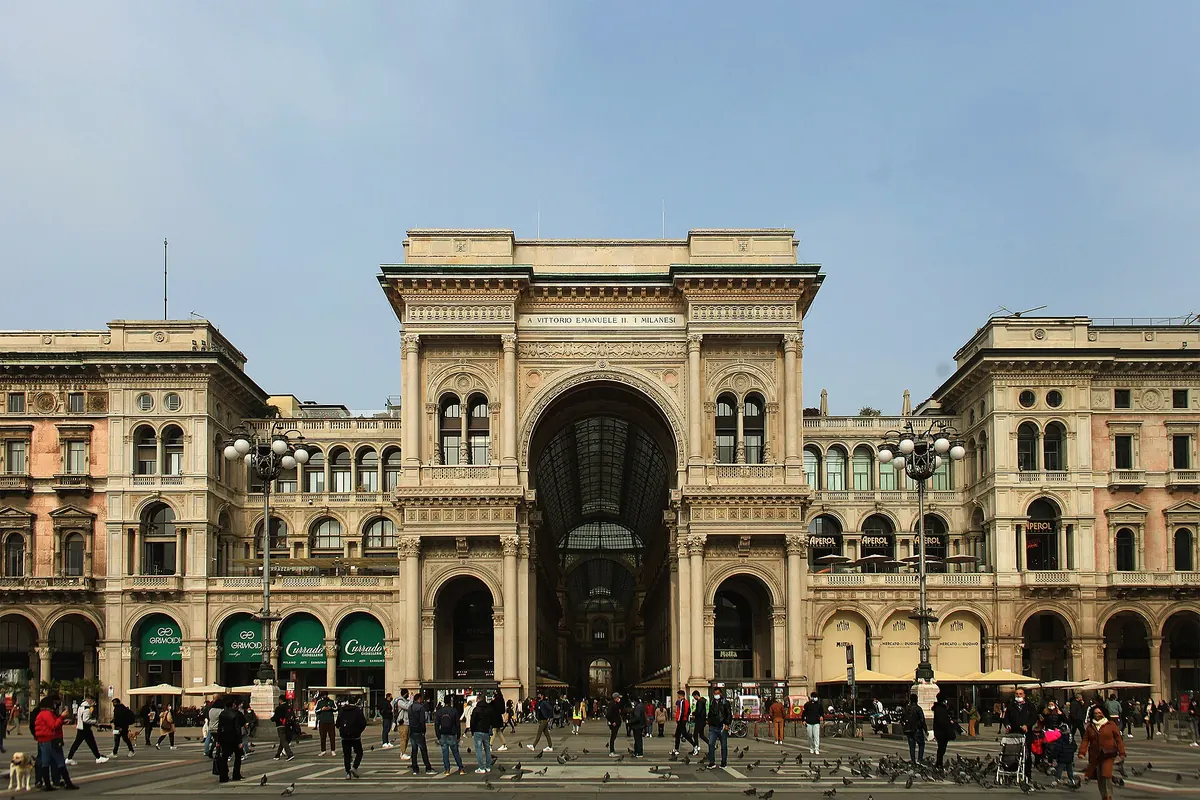
Right next to Piazza del Duomo, the Galleria Vittorio Emanuele II, with its historic architecture, glass dome, shops and restaurants, is one of Milan's best-known buildings.
It is easy to visit on the same route as the Duomo.
Designed by Giuseppe Mengoni, the arcade opened in 1867 and is known as one of the oldest shopping galleries in the world. Spinning on your heel on the bull in the floor mosaic is said to bring good luck.
Tip: Walking through the Galleria takes you straight out onto Piazza della Scala, home to La Scala.
Sforza Castle
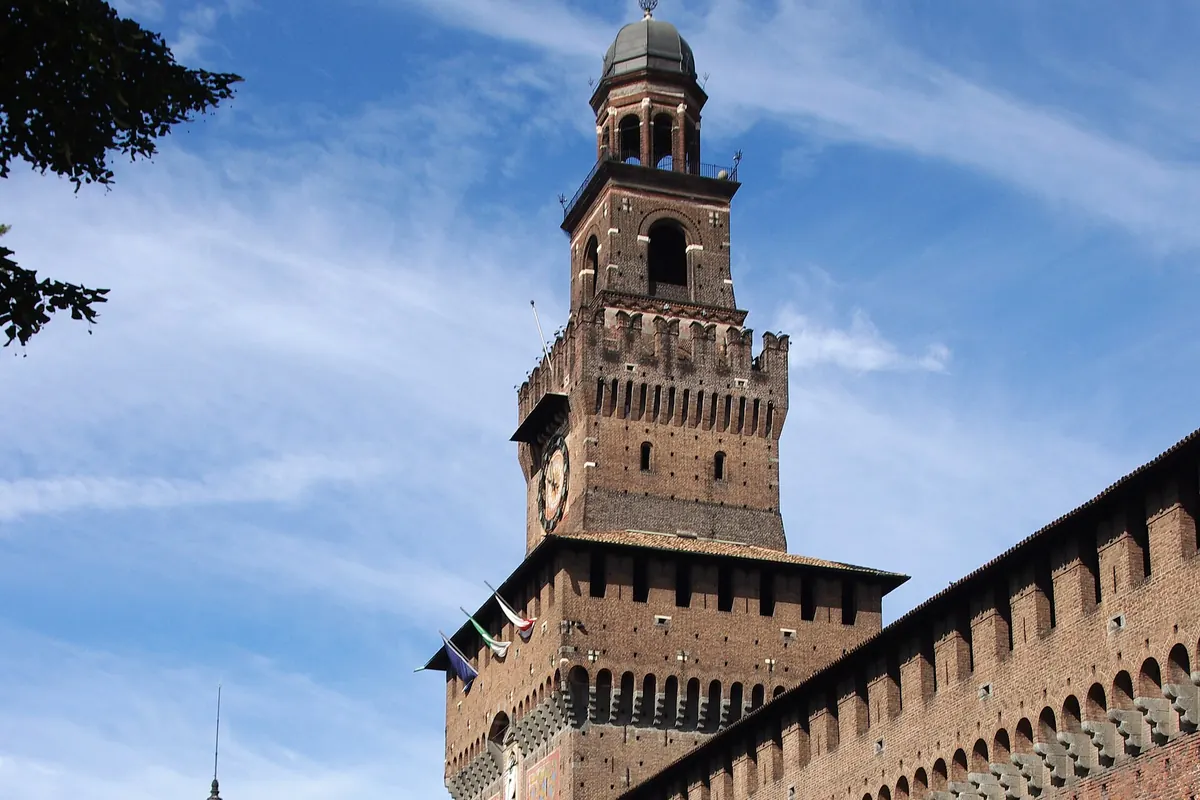
One of Milan's historic buildings, Sforza Castle is now home to various museums and exhibition spaces.
Added to your programme together with Parco Sempione behind it, it lets you enjoy history and green space together in the city centre.
The castle took its present form in the 15th century under Francesco Sforza, Duke of Milan; its museums display the Rondanini Pietà, Michelangelo's last, unfinished work.
Tip: The castle courtyards are open daily from 07:00 to 19:30; the museums can be visited from 10:00 to 17:30.
Brera
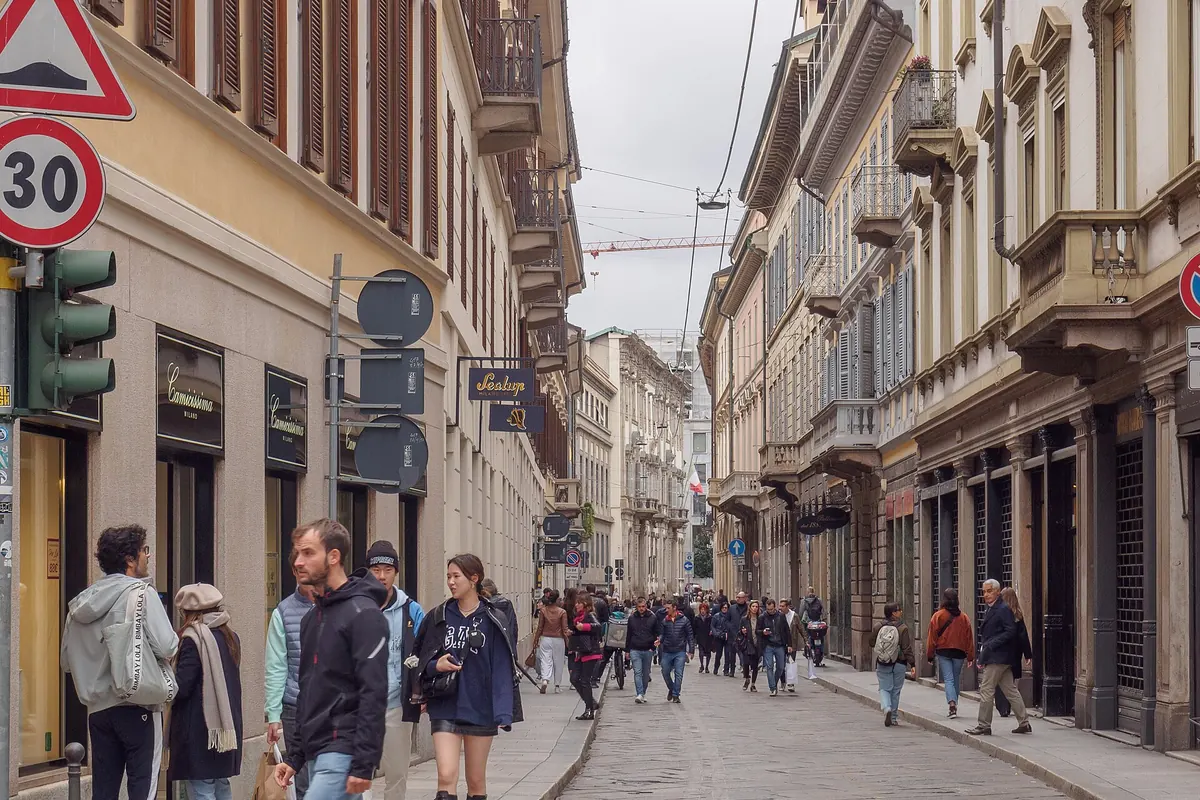
With its narrow streets, art galleries, cafés and boutiques, Brera is one of Milan's most characterful neighbourhoods.
It is particularly worth considering if you want a quieter city atmosphere and an art-focused route.
The cobbled Via Brera and the surrounding streets are also popular for an early-evening aperitivo. The district's Brera Botanical Garden is a quiet place for a break in the middle of the city.
Tip: If you plan it on the same day as the Brera Art Gallery, you can save the district's streets for a walk after the museum.
Navigli
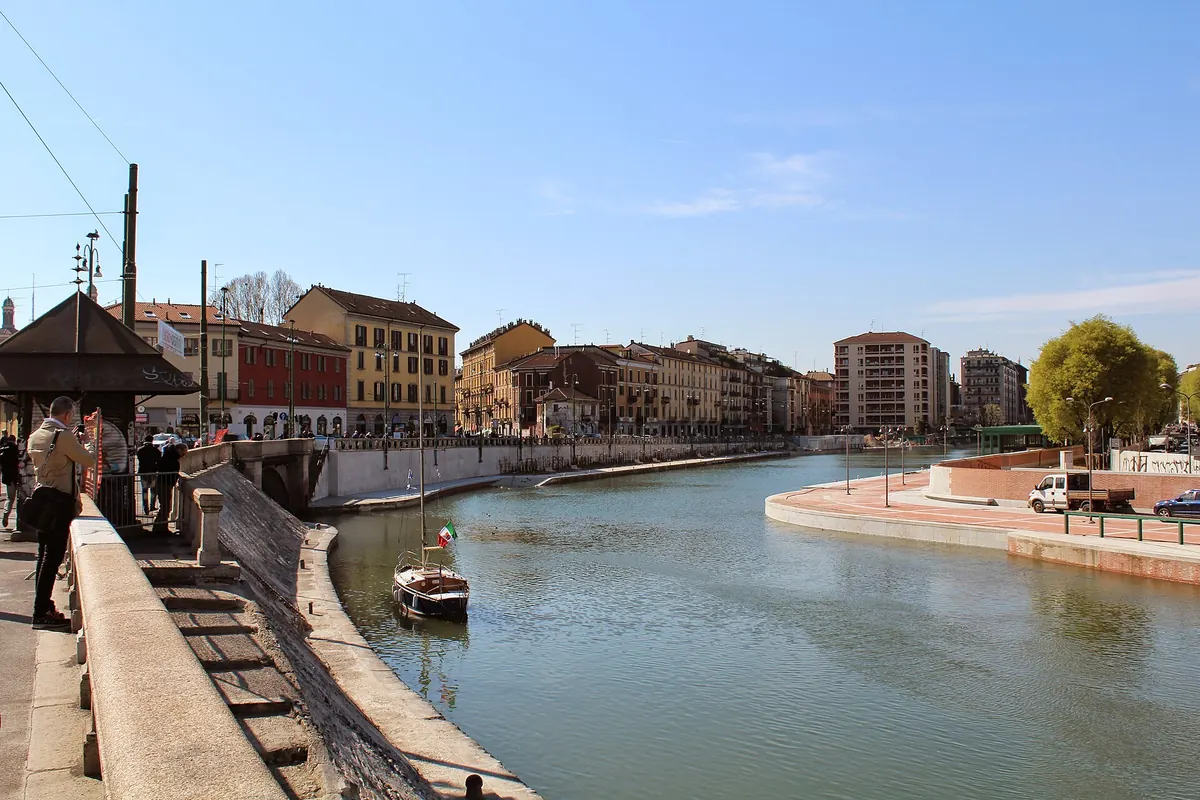
With its canals, restaurants, cafés and evening atmosphere, Navigli is one of Milan's liveliest areas.
It is one of the most popular areas for eating out, strolling and socialising, especially later in the day.
The Darsena, where the Naviglio Grande and Naviglio Pavese canals meet, was once the city's inland port. Today the canal banks are among the best-known places for Milan's aperitivo tradition.
Tip: You can stroll around the Darsena at sunset and then move on to dinner along the Naviglio Grande.
La Scala
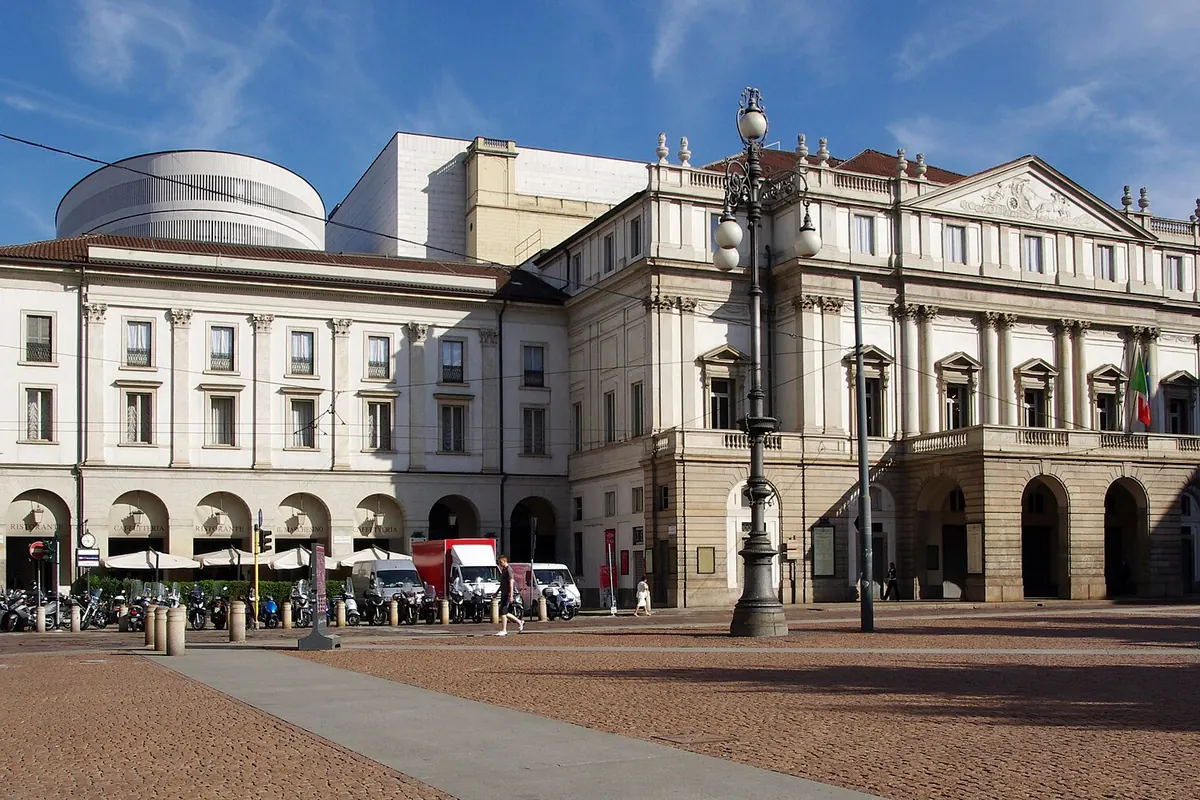
One of the best-known opera houses in the world, the Teatro alla Scala is a major centre of Milan's cultural and artistic life.
As it is close to the Duomo and the Galleria, it is easy to add to a central walking route.
The opera house opened in 1778, and its season traditionally begins on 7 December, the feast day of Sant'Ambrogio, the city's patron saint. You can also see inside the auditorium by visiting the theatre museum in the building.
Tip: If you are not going to a performance, you can see the auditorium from the boxes as part of a museum visit.
Parco Sempione
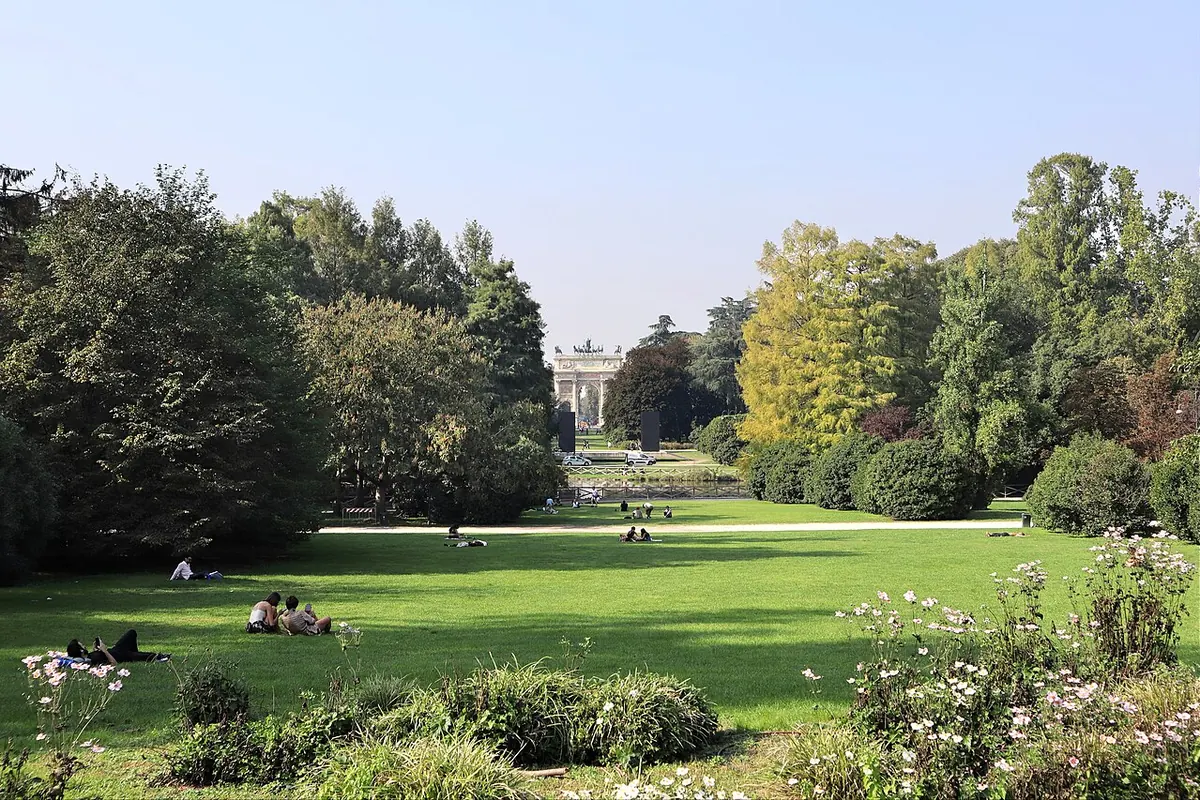
Behind Sforza Castle, Parco Sempione offers a large green space in the city centre for relaxing and walking.
The Arco della Pace is at one end of the park and Sforza Castle at the other. From the Torre Branca observation tower in the park, you can enjoy views of the city.
Tip: The castle, the park and the Arco della Pace can be seen on the same walk in about an hour.
Santa Maria delle Grazie and the Last Supper
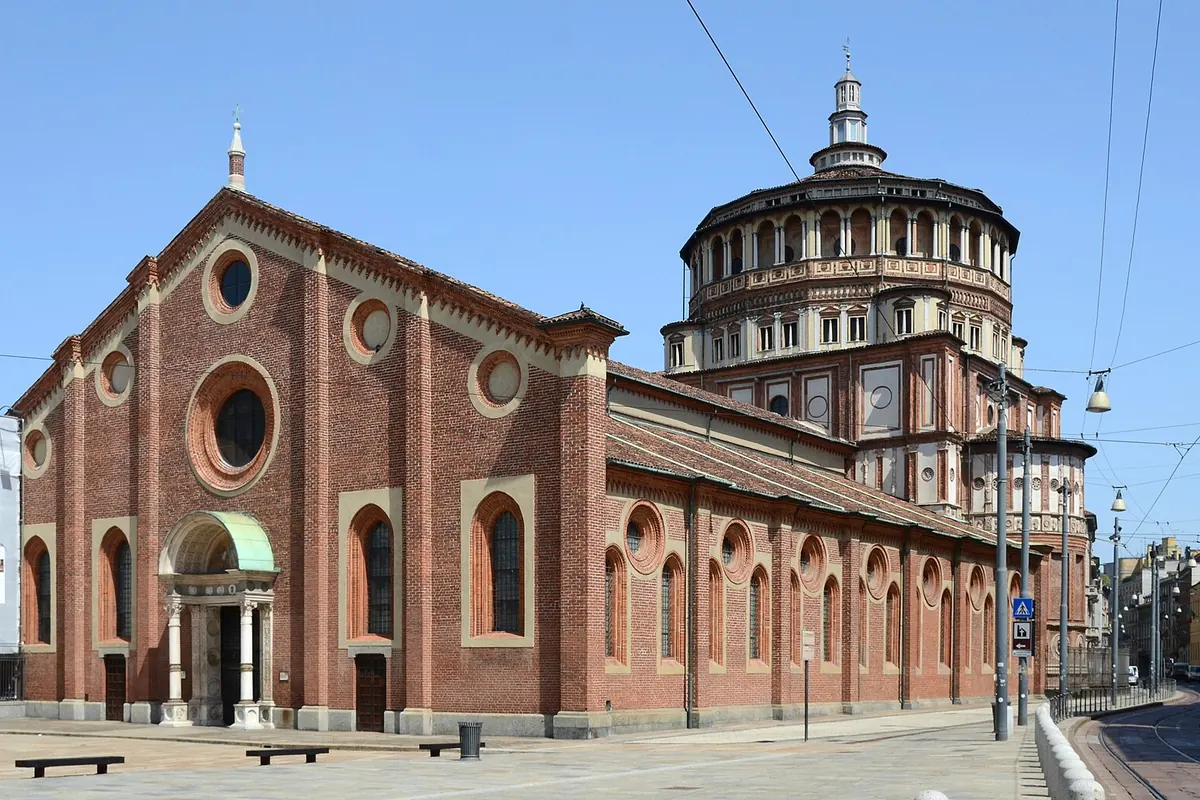
Known for Leonardo da Vinci's Last Supper, Santa Maria delle Grazie is one of the key stops that art and history lovers add to their Milan itinerary.
Leonardo's fresco is on the wall of the refectory of the convent next to the church. To protect it, the work is shown to small groups on short visits.
Tip: Booking is compulsory for every type of ticket for the Last Supper; tickets go on sale in batches and sell out quickly. The museum is closed on Mondays.
Brera Art Gallery (Pinacoteca di Brera)
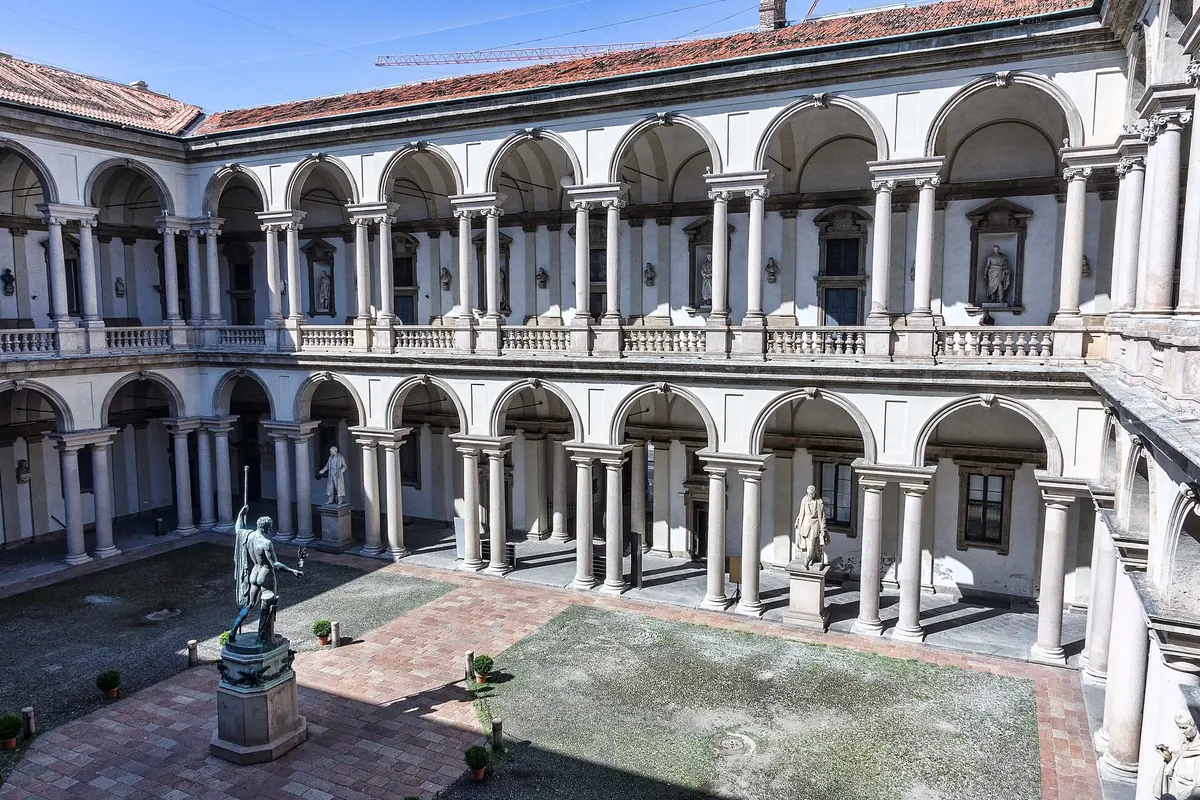
Housed in the Palazzo di Brera, the Pinacoteca di Brera has one of the most important collections of Italian painting.
Mantegna's Dead Christ, Raphael's Marriage of the Virgin and Hayez's The Kiss are among the museum's best-known works. In the middle of the courtyard stands a bronze copy of Canova's statue of Napoleon.
Tip: You can combine the museum with a walk around the Brera district and leave lunch for the area's cafés.
Museo del Novecento and Palazzo Reale
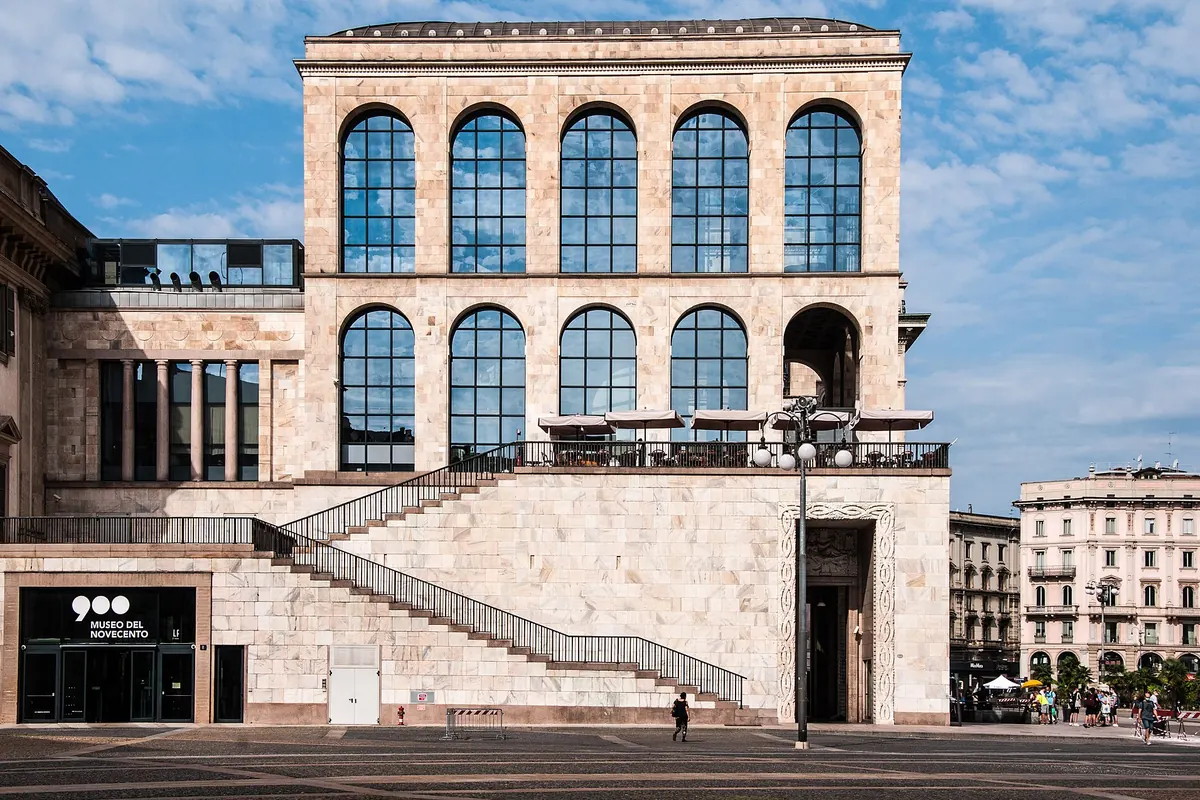
Housed in the Arengario building on the edge of Piazza del Duomo, the Museo del Novecento displays 20th-century Italian art. The large windows on the upper floors open onto a view of Piazza del Duomo.
Right next door, the Palazzo Reale, the former royal palace, now hosts the city's major art exhibitions.
Tip: You can visit straight after the Duomo without leaving the square.
Basilica of Sant'Ambrogio
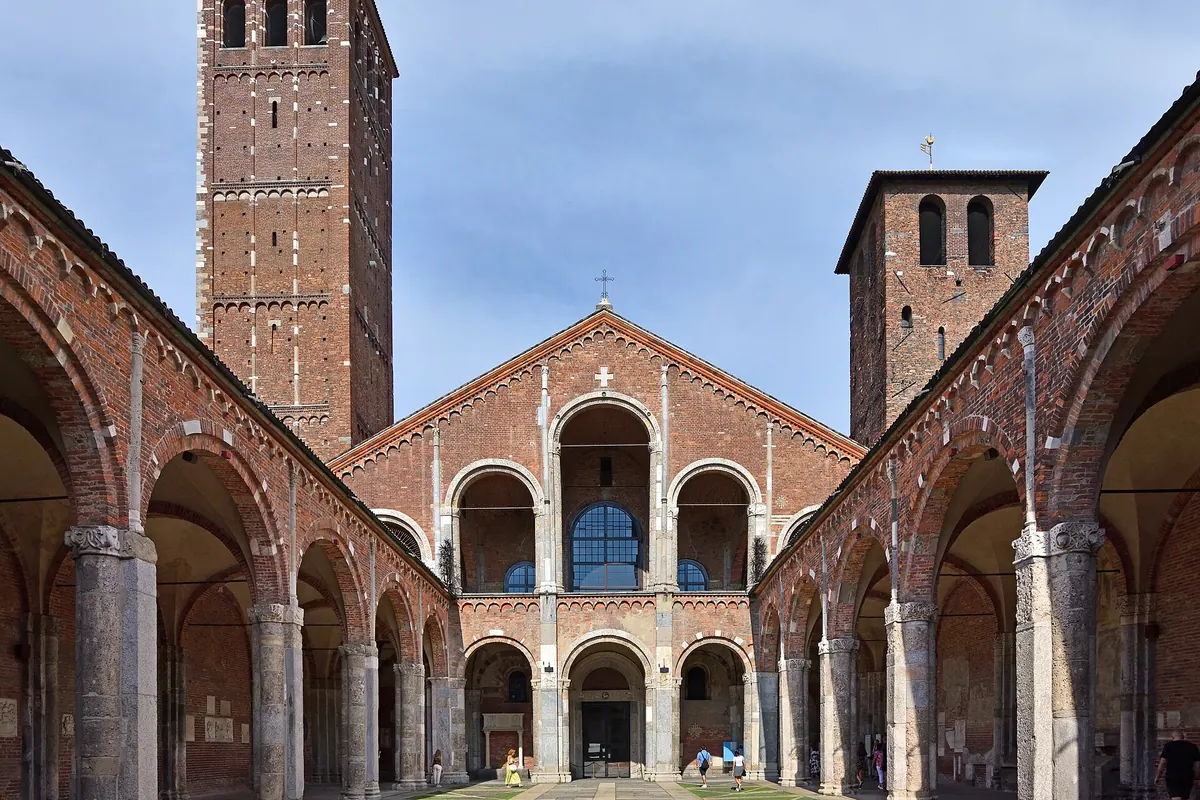
Founded in the 4th century by Ambrose, Milan's patron saint, the basilica is one of the oldest churches in the city. The present building is regarded as one of the finest examples of Lombard Romanesque architecture.
With its arcaded courtyard, two different bell towers and gold-decorated altar, it is a quiet but impressive stop.
Tip: It is within walking distance of Santa Maria delle Grazie and fits into the same half day as a visit to the Last Supper.
Arco della Pace
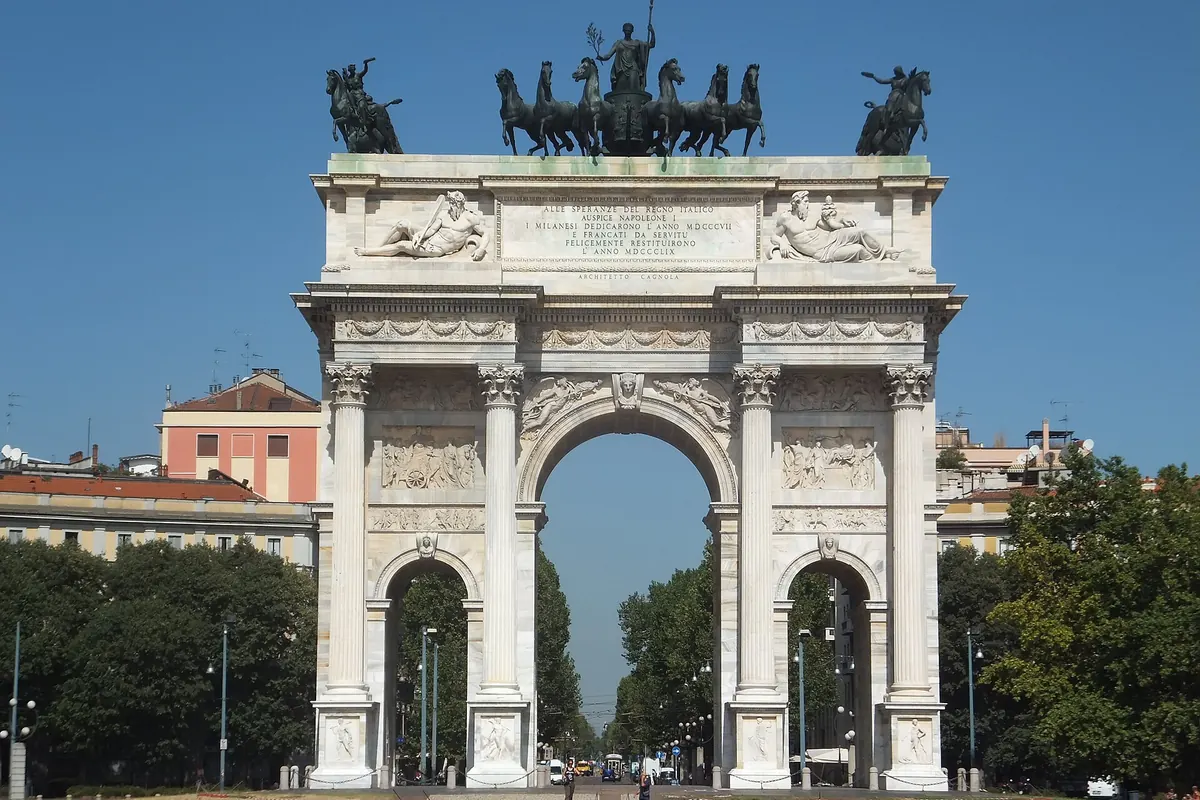
Construction of the neoclassical triumphal arch at the north-west end of Parco Sempione began under Napoleon and was completed in 1838.
The square around the arch is a meeting point that comes alive with cafés and bars in the evening.
Tip: You can walk through the park and see it on the same route as Sforza Castle.
Cimitero Monumentale
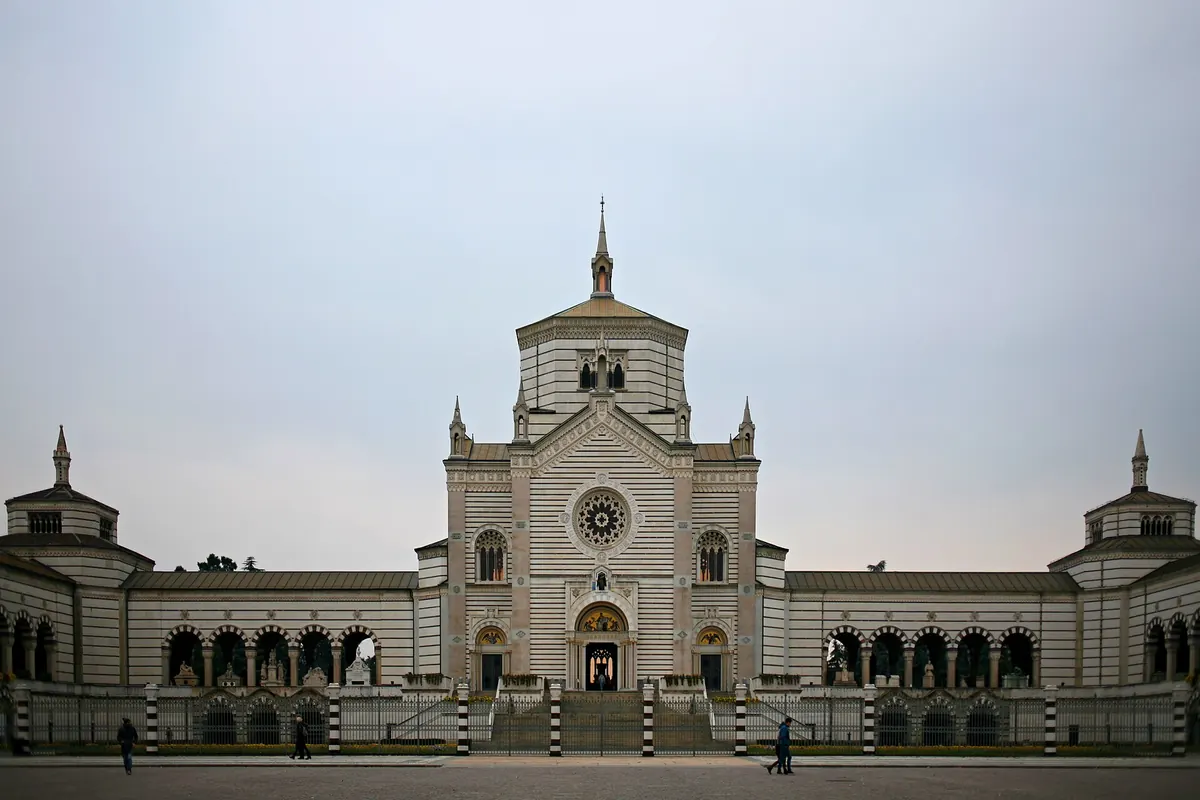
Opened in 1866, the Cimitero Monumentale is a cemetery that you can explore like an open-air museum, with its sculptures and monumental tombs.
The architecture of the main building and the sculptures on the family monuments offer a different window onto 19th- and 20th-century Italian art.
Tip: It is within walking distance of the Bosco Verticale and the Porta Nuova area; you can combine the two in the same half day.
Bosco Verticale and Porta Nuova
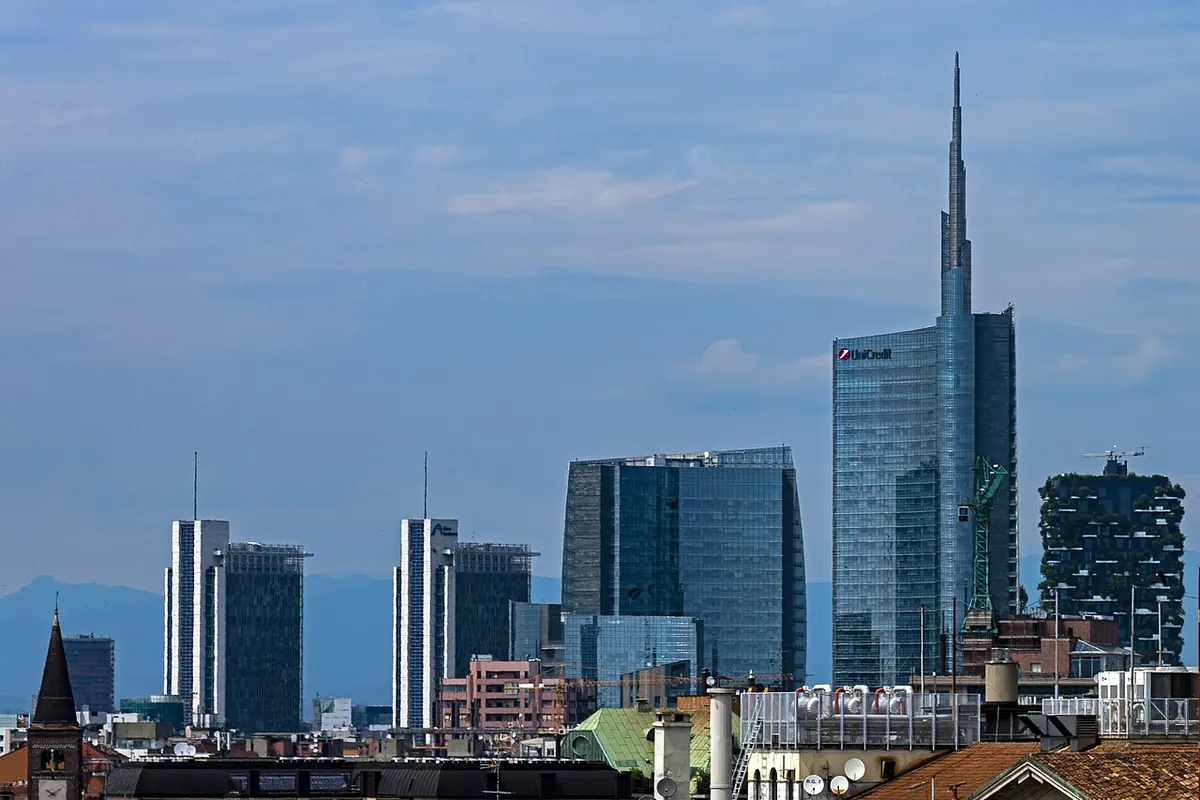
Designed by the architect Stefano Boeri, the Bosco Verticale (Vertical Forest) consists of two residential towers with hundreds of trees on their balconies and has become one of the symbols of modern Milan.
Nearby Piazza Gae Aulenti and the surrounding skyscrapers make up Porta Nuova, the city's new business and residential hub.
Tip: The best photos of the towers are taken from the nearby Biblioteca degli Alberi park.
Columns of San Lorenzo
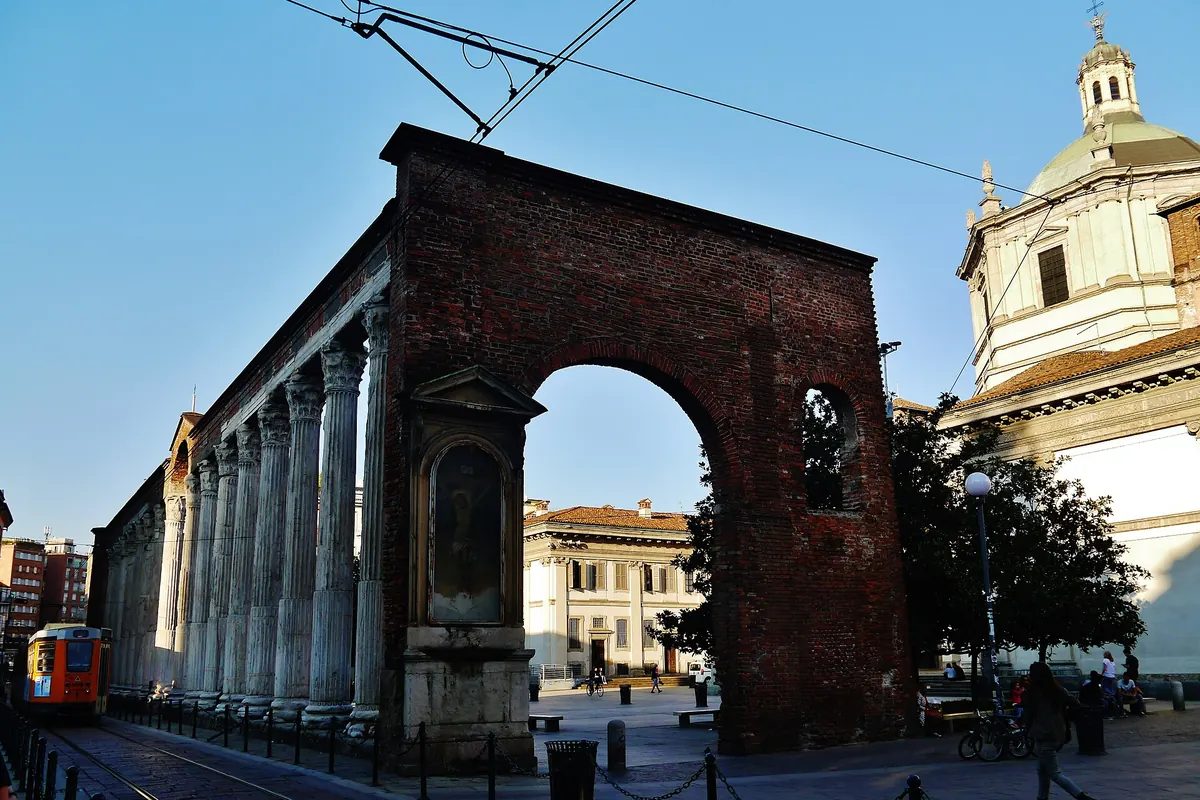
The 16 Roman columns in front of the Basilica of San Lorenzo Maggiore are among the most impressive remains to have survived from ancient Mediolanum.
The square in front of the columns is a lively spot where young people meet in the evening, and it is within walking distance of Navigli.
Tip: You can add it to your route by walking along Corso di Porta Ticinese on your way to Navigli.
Leonardo da Vinci Museum of Science and Technology
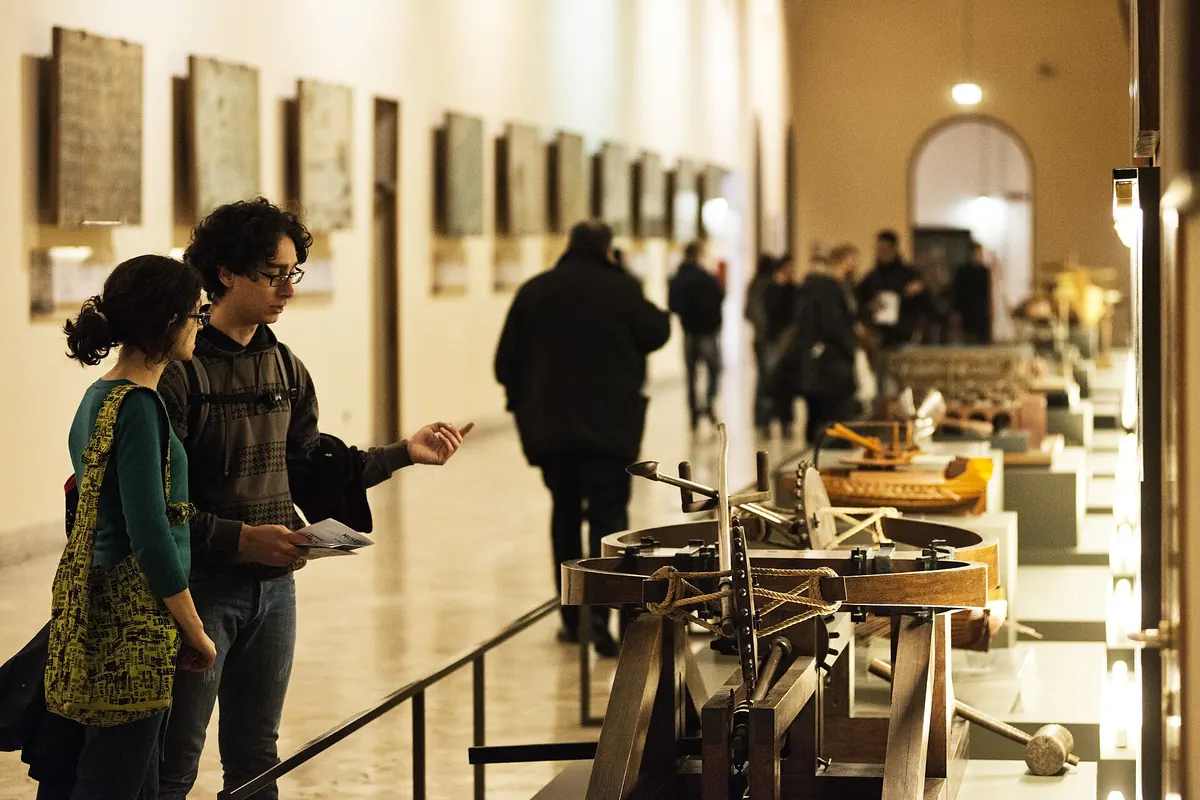
Italy's largest museum of science and technology is known for its models of machines built from Leonardo da Vinci's drawings.
Alongside the transport, energy and communications sections, you can visit pavilions with a real submarine and railway carriages; it is a good option for families with children.
Tip: It is right next to the Basilica of Sant'Ambrogio.
San Siro (Giuseppe Meazza) Stadium
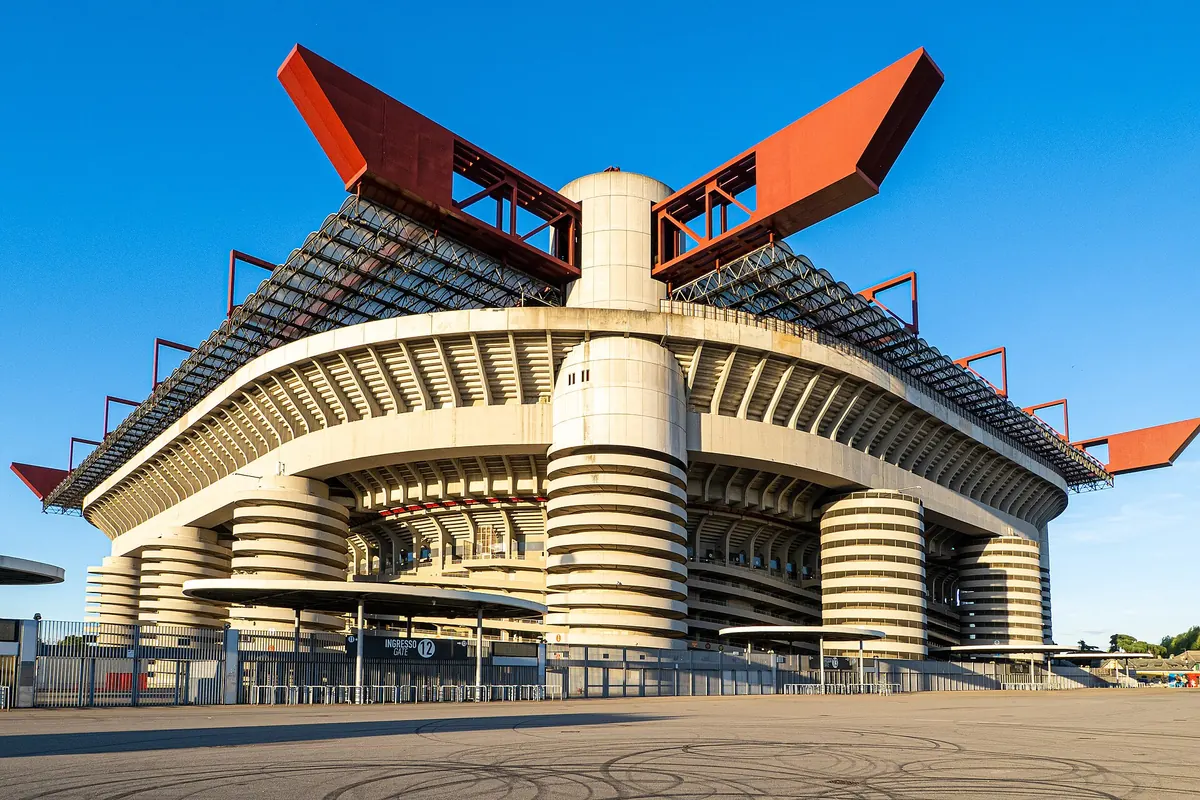
San Siro, the shared home ground of AC Milan and Inter, is one of the best-known football stadiums in Europe.
Outside match days, a stadium tour and the club museum let you see the changing rooms and the stands.
Tip: It is easy to reach from the city centre by metro; check the fixture list in advance.
Via Montenapoleone and the Fashion Quadrilateral
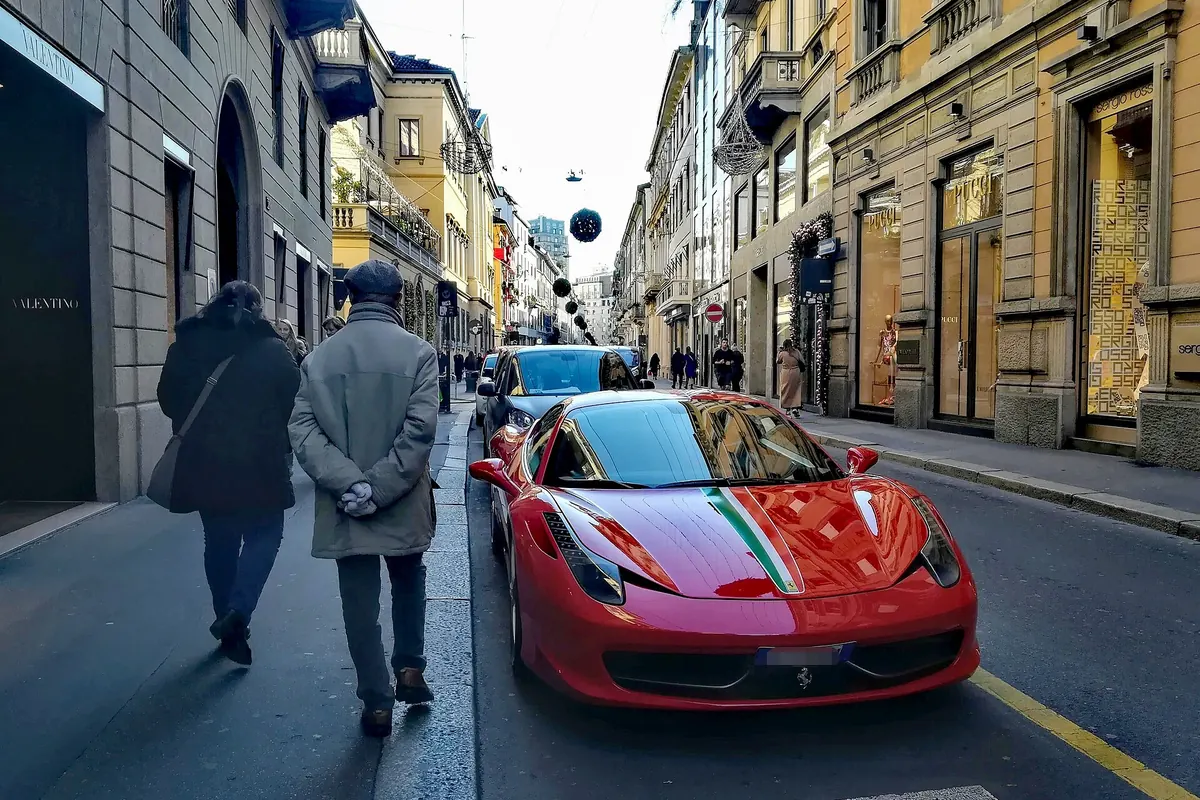
Formed by Via Montenapoleone, Via della Spiga, Via Sant'Andrea and Via Manzoni, the Fashion Quadrilateral (Quadrilatero della Moda) is one of the most famous luxury shopping districts in the world.
The window displays of the great fashion houses make for an enjoyable walk even if you are not shopping.
Tip: It is a 10-minute walk from the Duomo; weekday mornings are quieter.
Triennale Milano
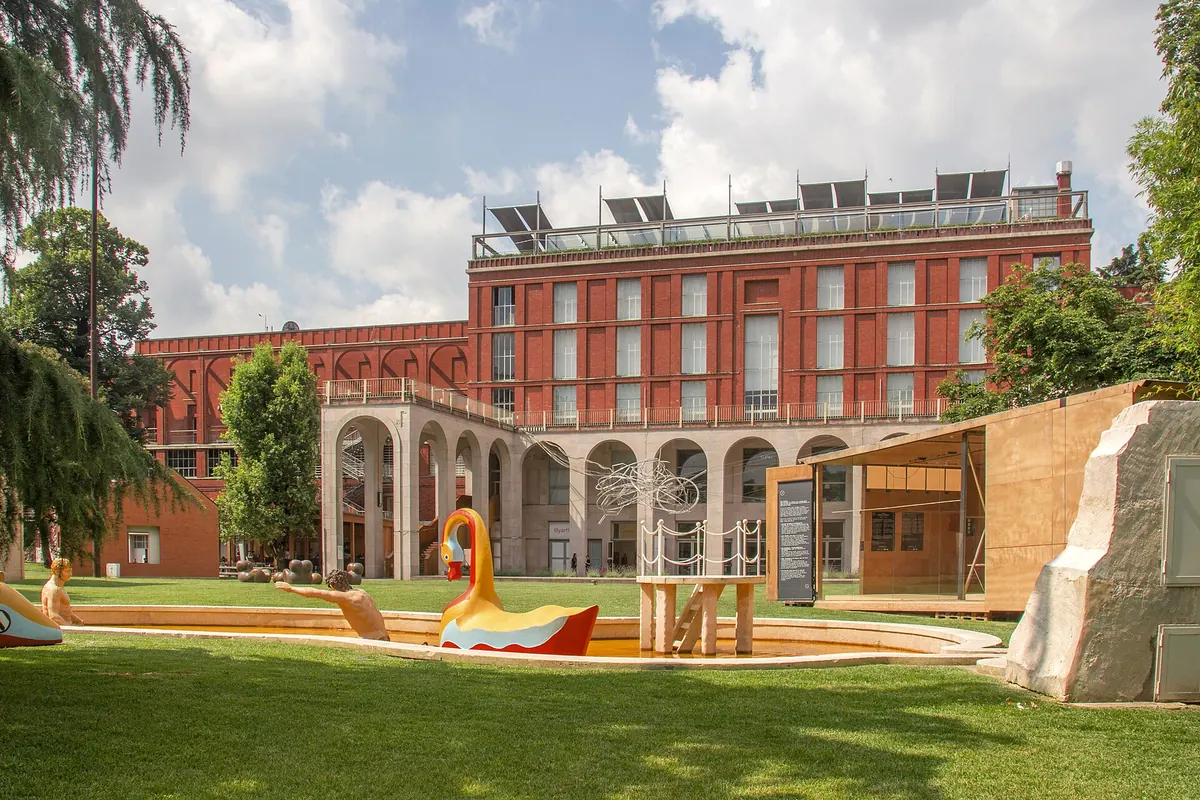
Housed in the Palazzo dell'Arte in Parco Sempione, the Triennale, with its design and architecture exhibitions, is one of the institutions that best reflects Milan's identity as a design city.
The Italian Design Museum in the building brings together iconic 20th-century Italian design, from chairs to cars.
Tip: At the end of your walk in Parco Sempione, you can take a break on the café terrace.
Day trip: Lake Como
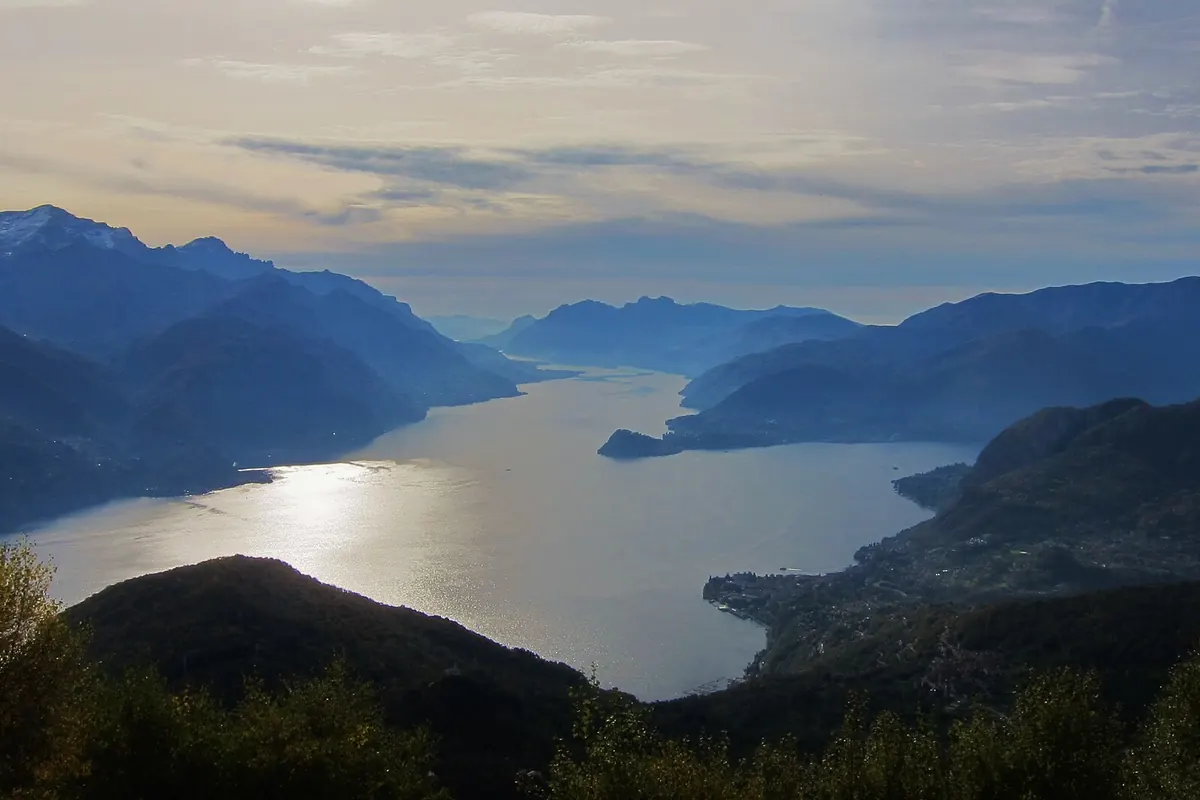
About an hour from Milan by train, Lake Como, with its villas and lakeside towns at the foot of the Alps, is one of the most popular day trips.
Ferries from the town of Como take you to lakeside towns such as Bellagio and Varenna.
Tip: If you set off early, you can comfortably see the town of Como and one lakeside town in a day.
For more information on Milan's sights, cultural events and city routes, you can also visit YesMilano, Milan's official tourism portal as well.
How Many Days Do You Need for Milan?
Most of Milan's central sights are close to one another, so you can see most of the city's key places even on a short trip.
The Duomo, the Galleria Vittorio Emanuele II, La Scala and a central city tour.
The central route + Sforza Castle + Brera + Navigli.
The city centre + museums + shopping + quieter neighbourhoods.
If you have a fourth day, you can plan a day trip to Lake Como.
Things to Do in Milan: A Sample 2-Day Itinerary
On the first day, you can start from Piazza del Duomo and visit the cathedral, then move on to the Galleria Vittorio Emanuele II and the area around La Scala. Later in the day, you can take a walk around the Brera district.
Duomo and terraces → Museo del Novecento → Galleria Vittorio Emanuele II → La Scala → Brera and the Art Gallery
On the second day, you can start with Sforza Castle and Parco Sempione, then head to the Navigli district later in the day to discover a different side of Milan.
Sforza Castle → Parco Sempione → the Last Supper (with booking) → Sant'Ambrogio → Columns of San Lorenzo → evening in Navigli
When to Go to Milan
Milan can be visited all year round. For city walks and outdoor sightseeing, however, spring and autumn can be more comfortable.
During fashion events, trade fairs and major events, visitor numbers and accommodation prices in the city can change.
Where to Shop in Milan
When it comes to fashion and shopping, Milan is one of Europe's leading cities. The Galleria Vittorio Emanuele II and Via Montenapoleone are among the city's best-known shopping areas for luxury brands.
In areas such as Corso Buenos Aires, you will find a wider range of shops. When planning your shopping, you can choose different shopping streets depending on where you are staying and your route through the city.
Corso Vittorio Emanuele II, right next to the Duomo, and the design shops in Brera can also be added to your shopping route.
Getting Around Milan
In Milan, the metro, tram and bus network makes it easy to get around the city. The Duomo, Centrale, Navigli and other key areas are linked by public transport.
Some of the key sights in the historic centre are close to one another and can be visited on foot.
From Malpensa Airport, the Malpensa Express train takes you directly to Milano Centrale and Milano Cadorna stations. The city's historic trams also offer both transport and an enjoyable experience in the centre.
Where to Stay in Milan
For first-time visitors to Milan, the area around the Duomo, Brera and Milano Centrale are among the best-connected areas.
If you want a livelier evening atmosphere, you may prefer the Navigli area; if you want to be close to the central sights, the Duomo and Brera areas.
Within walking distance of the main sights; the most practical area for a first visit.
Quiet, elegant streets and cafés; close to the centre.
Centrale for train and airport connections, Navigli for nightlife.
What to Eat in Milan
Milanese and Lombard cuisine is known for risotto alla milanese, cotoletta alla milanese and other regional dishes.
In the city centre, alongside traditional Italian restaurants, there are also modern restaurants, cafés and international cuisine.
Ossobuco (braised veal shank), panettone, closely associated with Christmas, and the aperitivo tradition, with snacks served alongside an early-evening drink, are also part of Milanese cuisine.
Tickets and Practical Information for a Trip to Milan
- The Last Supper: Booking is compulsory for every type of ticket; the museum is closed on Mondays. Tickets go on sale in batches.
- Duomo: You need a ticket for the cathedral and the terraces; the terraces are reached by stairs or by lift. Buy in advance in busy periods.
- Sforza Castle: The courtyards are open daily from 07:00 to 19:30; the museums 10:00–17:30.
- Airport: The Malpensa Express links Malpensa with Milano Centrale and Cadorna.
- Dress code: Shoulders and knees are expected to be covered in the Duomo and other churches.
Information taken from official sources (the Cenacolo Vinciano Museum, Castello Sforzesco and Malpensa Express) as of November 2026; check the latest information before you travel.
Do You Need a Visa to Travel to Milan?
As Milan is in Italy, holders of a standard (burgundy) Turkish passport generally need to follow the Schengen visa rules for short tourist trips. For other nationalities, including foreign nationals living in Türkiye, the requirement depends on nationality.
Since application requirements can vary by passport type, purpose of travel and personal circumstances, it is important to check the current conditions before you travel.
For detailed information on Italy visa requirements and the documents you need, see our Italy Visa page. For the document list, see Italy visa documents; for current fees, see Italy visa fee and for the appointment steps, see Italy visa appointment – check them before you apply.
Italy Visa for Your Trip to Milan
If you have planned your trip to Milan, the GöçmenVizesi consultancy team can give you professional support with your Italy visa application, preparing the required documents and the application process.
View Italy Visa InformationThings to Do in Milan: Frequently Asked Questions
What are the must-see places in Milan?
The Duomo, the Galleria Vittorio Emanuele II, Sforza Castle, Brera, Navigli and La Scala are among the city's highlights. If you can get a ticket, Leonardo da Vinci's Last Supper should go to the top of the list.
How many days do you need in Milan?
The city's main sights can be seen in a 1–2 day programme. If you also want to explore museums, shopping and different neighbourhoods, you can plan a 3-day programme.
Can you get around Milan on foot?
As many of the sights around the Duomo and the historic centre are close to one another, much of the central area can be explored on foot. For places further out, you can use public transport.
Do you need to book for the Last Supper?
Yes. According to the museum's official notice, booking is compulsory for every type of ticket. Tickets go on sale in batches and sell out quickly, so check as soon as your travel dates are fixed.
Where should you shop in Milan?
The Galleria Vittorio Emanuele II, Via Montenapoleone and Corso Buenos Aires are among Milan's best-known shopping areas.
How do you get from Malpensa Airport to the city?
The Malpensa Express train links the airport directly with Milano Centrale and Milano Cadorna stations.
Do you need a Schengen visa for Milan?
Italy is in the Schengen Area. Turkish citizens holding a standard (burgundy) passport generally need a Schengen visa for short tourist trips. For other nationalities, the requirement depends on nationality.
GöçmenVizesi is not an official consulate or public authority. It is a travel and visa consultancy that provides professional consultancy services on visa application processes.
The photos of the places in this guide are from Wikimedia Commons and are used under the author and licence terms given below each image.