

Things to Do in Athens: A Travel Guide for First-Time Visitors
With its ancient Greek heritage, lively squares, historic neighbourhoods and views of the Acropolis, Athens is one of the most important destinations in Greece. This guide covers the essentials, from our list of Athens' best places to visit to how many days to stay, getting around and suggested itineraries for first-time visitors.
What Are the Best Places to Visit in Athens?
Athens' best places to visit make the city a particularly rich destination for anyone who wants to experience history, culture and city life on the same trip. Since most of the main sights are in and around the historic centre, many areas can be explored on foot.
The table below lists the 20 places in this guide by area, with the approximate time to set aside for each; each row takes you to the relevant section.
| Place | Area | Suggested time | Note |
|---|---|---|---|
| Acropolis and Parthenon | Acropolis | 2–3 hours | Timed ticket |
| Plaka | Plaka | 2 hours | — |
| Monastiraki | Monastiraki | 1–2 hours | Market and rooftop bars |
| Syntagma Square | Syntagma | 45 min | Changing of the guard |
| Ancient Agora | Monastiraki | 1.5–2 hours | — |
| Panathenaic Stadium | Pangrati | 45 min | — |
| Lycabettus Hill | Kolonaki | 1–1.5 hours | Sunset |
| Acropolis Museum | Makrygianni | 2 hours | Separate ticket |
| Temple of Olympian Zeus and Arch of Hadrian | Centre | 45 min | — |
| National Archaeological Museum | Exarchia | 2–3 hours | Largest museum |
| Roman Agora and Tower of the Winds | Plaka | 30–45 min | — |
| Anafiotika | Plaka | 30–45 min | — |
| Philopappos Hill | Koukaki | 1 hour | Acropolis views |
| Areopagus Hill | Acropolis | 20–30 min | — |
| Kerameikos | Thissio | 1 hour | — |
| National Garden and Zappeion | Syntagma | 1 hour | — |
| Psyrri | Psyrri | Evening | Nightlife |
| Museum of Cycladic Art | Kolonaki | 1.5 hours | — |
| Piraeus and Mikrolimano | Piraeus | Half a day | Ferry port |
| Day trip: Sounion | Attica | Half a day | Day trip |
Acropolis and Parthenon
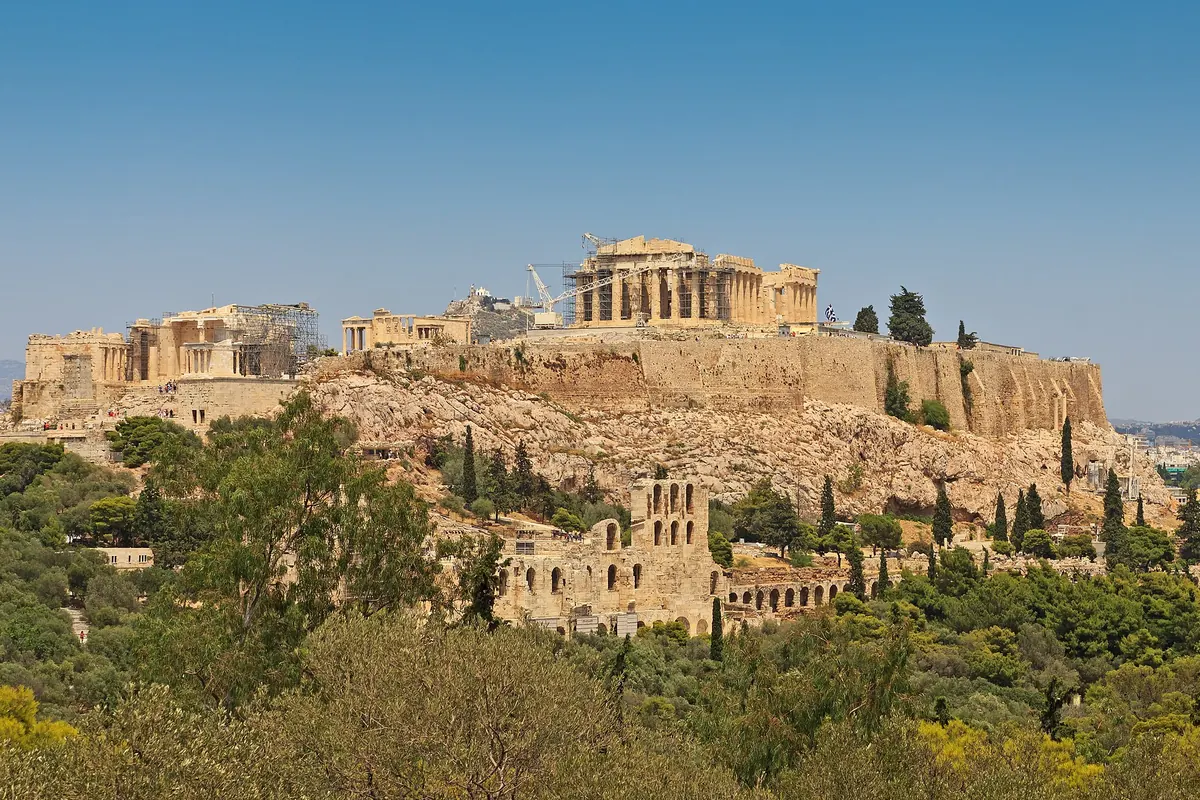
The Acropolis, the best-known sight in Athens, stands on a rocky hill overlooking the city. Here you can see the most important buildings of ancient Greece, above all the Parthenon, as well as the Temple of Athena Nike, the Erechtheion and the Propylaea.
For first-time visitors to Athens, starting a city tour at the Acropolis and the surrounding area makes the historic centre easier to understand.
The Parthenon, dedicated to Athena, the city's patron goddess, was built in the 5th century BC under Pericles. The Acropolis is a UNESCO World Heritage Site.
Tip: Entry to the Acropolis is by timed ticket; in busy periods, buy your ticket in advance from the Ministry of Culture's official sales channel and go at opening time in the morning or in the late afternoon.
Plaka
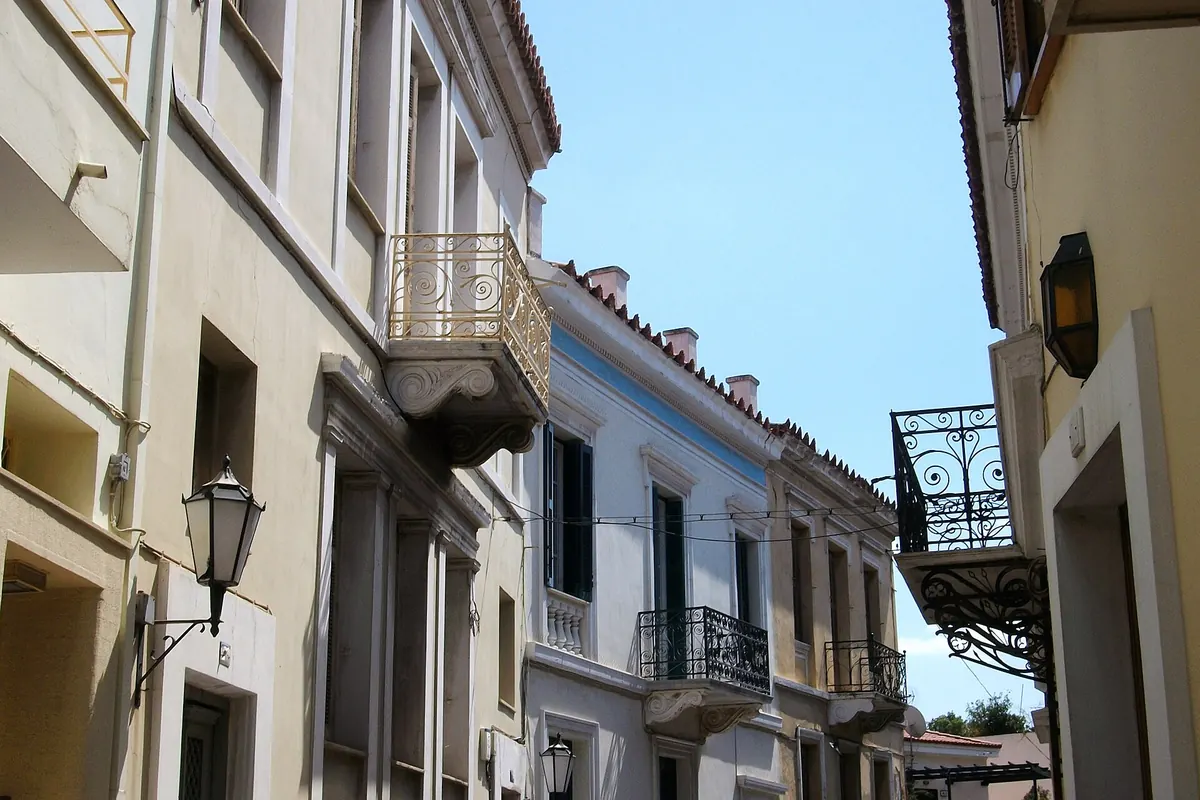
At the foot of the Acropolis, Plaka is one of the most characterful neighbourhoods in Athens, with its narrow streets, traditional buildings, small shops, cafés and restaurants.
Anafiotika, within the same area, has a different atmosphere reminiscent of the Greek islands, with its white houses and narrow lanes.
Tip: Adrianou Street is Plaka's liveliest walking street; don't forget to wander into the side streets.
Monastiraki
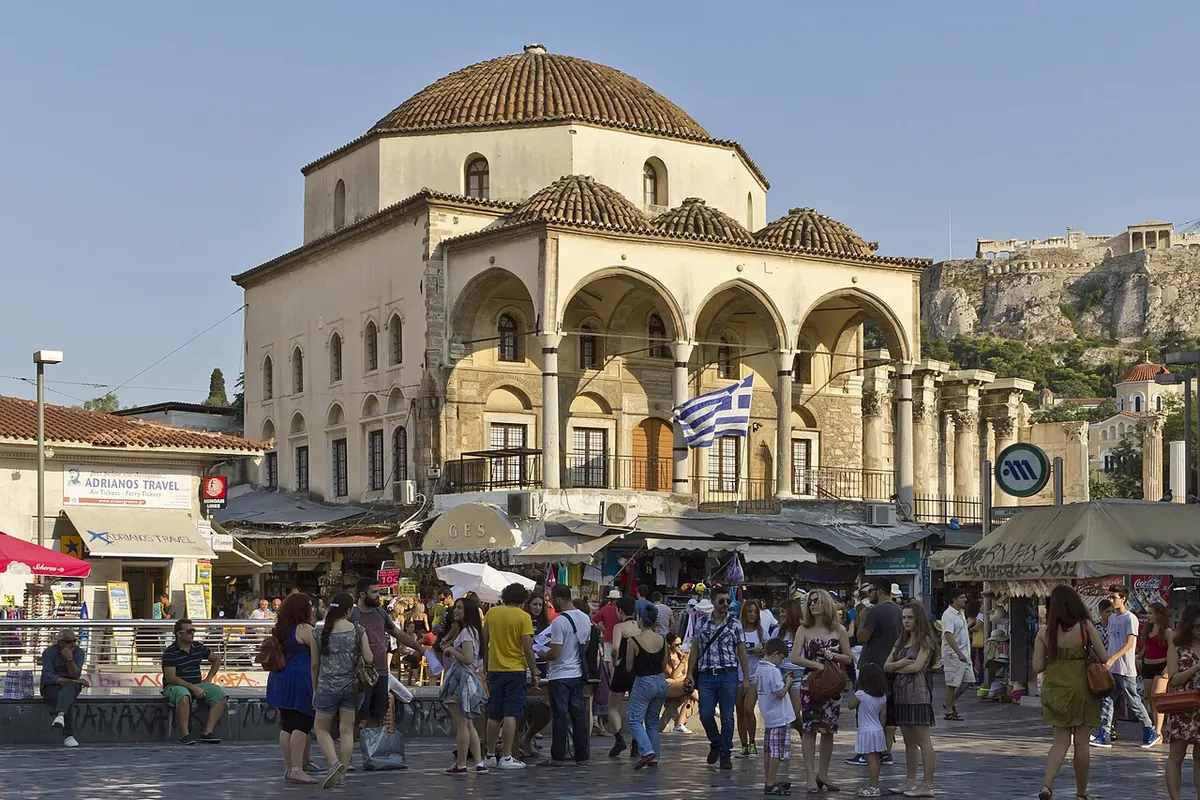
Monastiraki, one of the busiest spots in the historic centre, is a key stop on any city tour with its square of the same name, markets, restaurants and historic buildings.
Being close to Plaka, the Ancient Agora and the Acropolis area, it is easy to add to a walking route.
The 18th-century Tzistarakis Mosque on the square is one of the buildings surviving from the Ottoman period; right next to it are the remains of Hadrian's Library and the streets of the flea market.
Tip: From the rooftop bars around the square you can watch the sunset with views of the Acropolis.
Syntagma Square
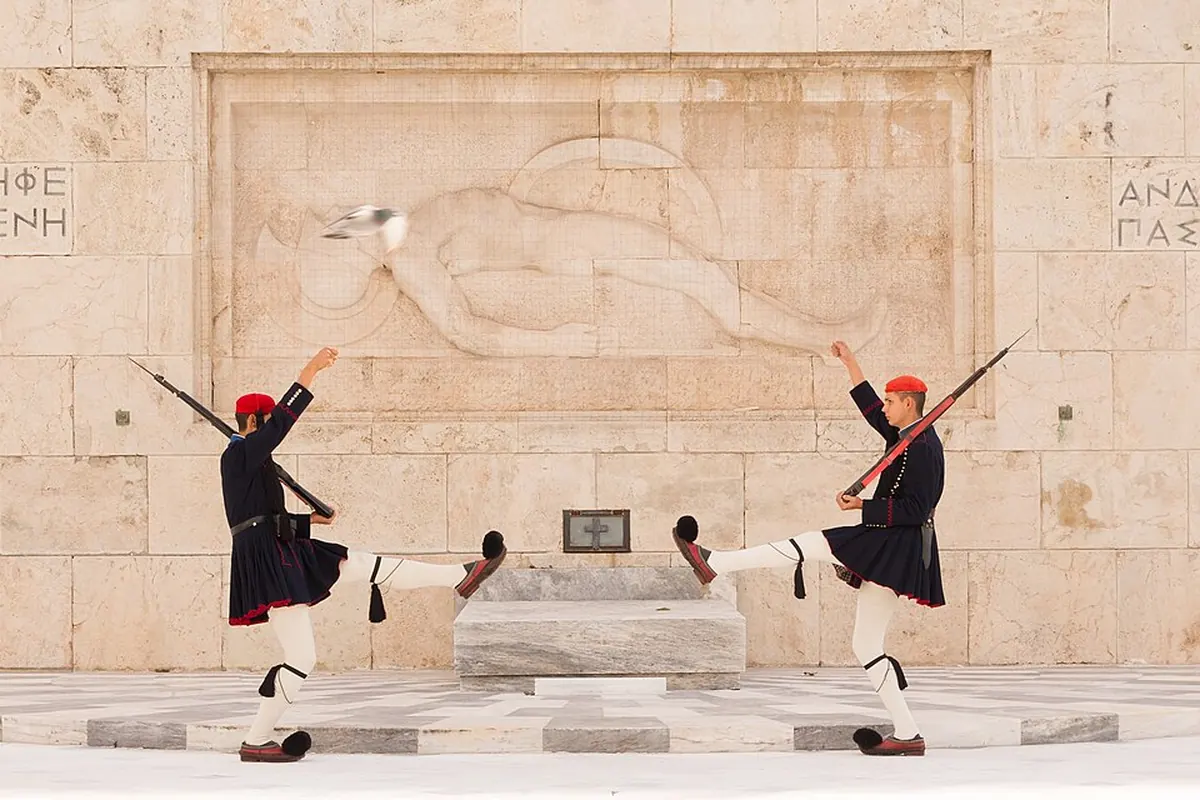
Syntagma, one of the central squares of Athens, is where the Greek Parliament stands. It is also one of the main transport hubs for getting to other parts of the city.
The Tomb of the Unknown Soldier in front of the Parliament building and the main streets around it are among the sights you can see while exploring the city centre.
The monument is guarded by Evzones in traditional uniform; the changing of the guard every hour on the hour draws visitors' attention.
Tip: To watch the changing of the guard, be in front of the monument a few minutes before the hour.
Ancient Agora
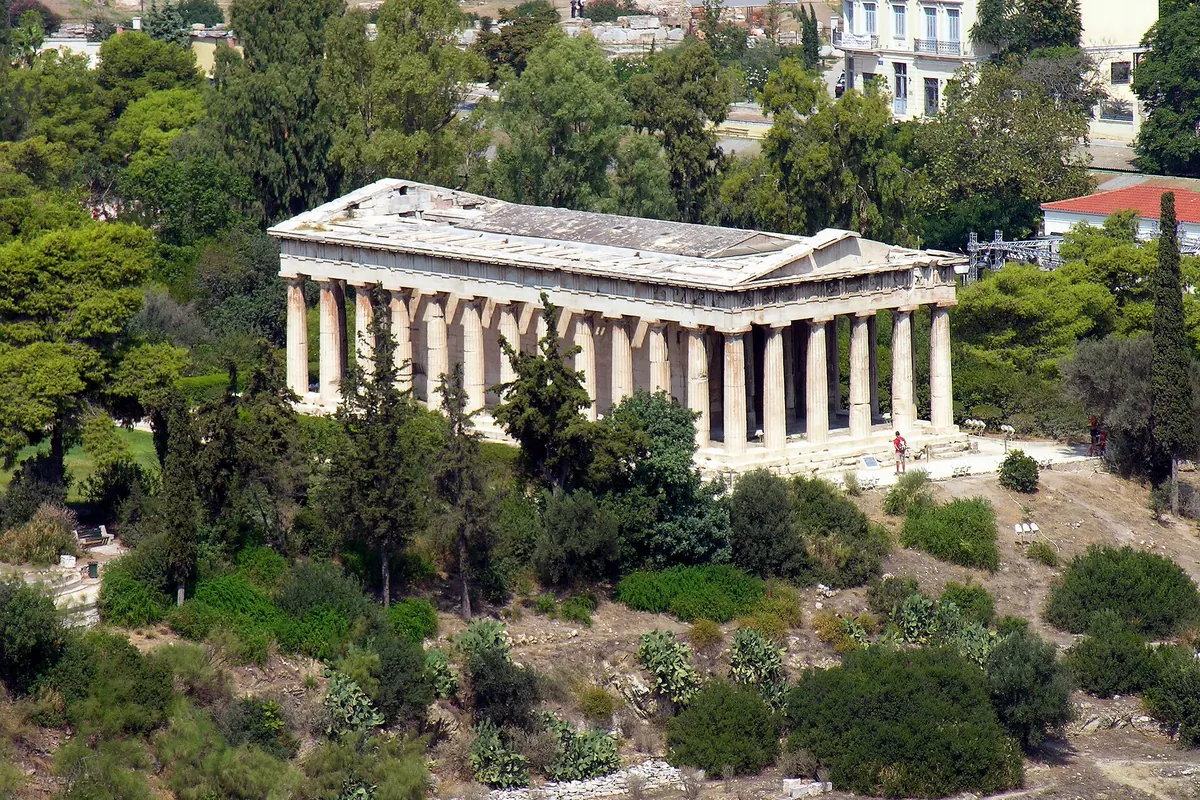
The Ancient Agora, one of the centres of social, political and commercial life in ancient Athens, is one of the main archaeological sites around the Acropolis.
For visitors interested in history, it is a strong stop to follow a visit to the Acropolis.
The Temple of Hephaestus on the site is one of the best-preserved ancient Greek temples; the reconstructed Stoa of Attalos houses the Agora museum.
Tip: You can combine both sites in one walk using the path that runs from the Agora up to the Acropolis.
Panathenaic Stadium
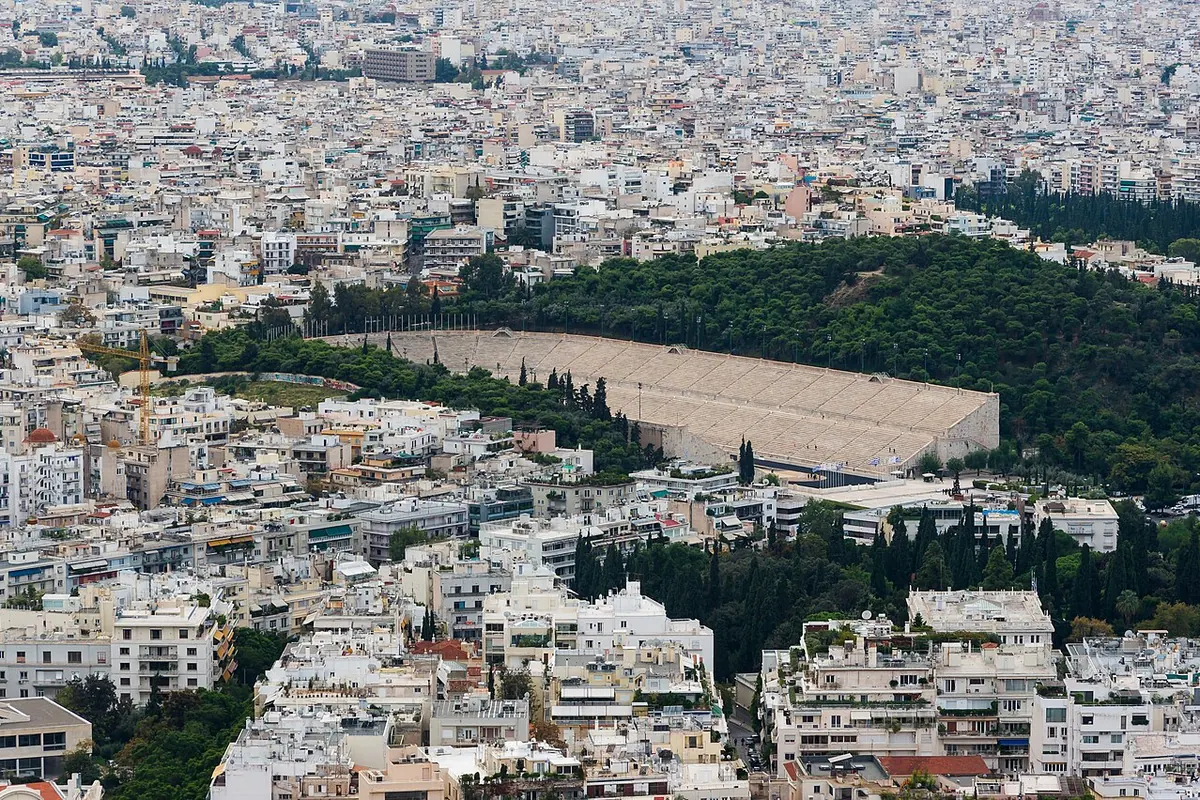
With its striking marble structure, the Panathenaic Stadium is one of the landmarks of modern Olympic history. Close to the city centre, it is easy to add to a short sightseeing programme.
Described as the only major stadium in the world built entirely of marble, it hosted the first modern Olympic Games in 1896; the ceremony handing over the Olympic flame to the host country is also held here.
Tip: From the top of the stands you can see the Acropolis and Lycabettus in the same frame.
Lycabettus Hill
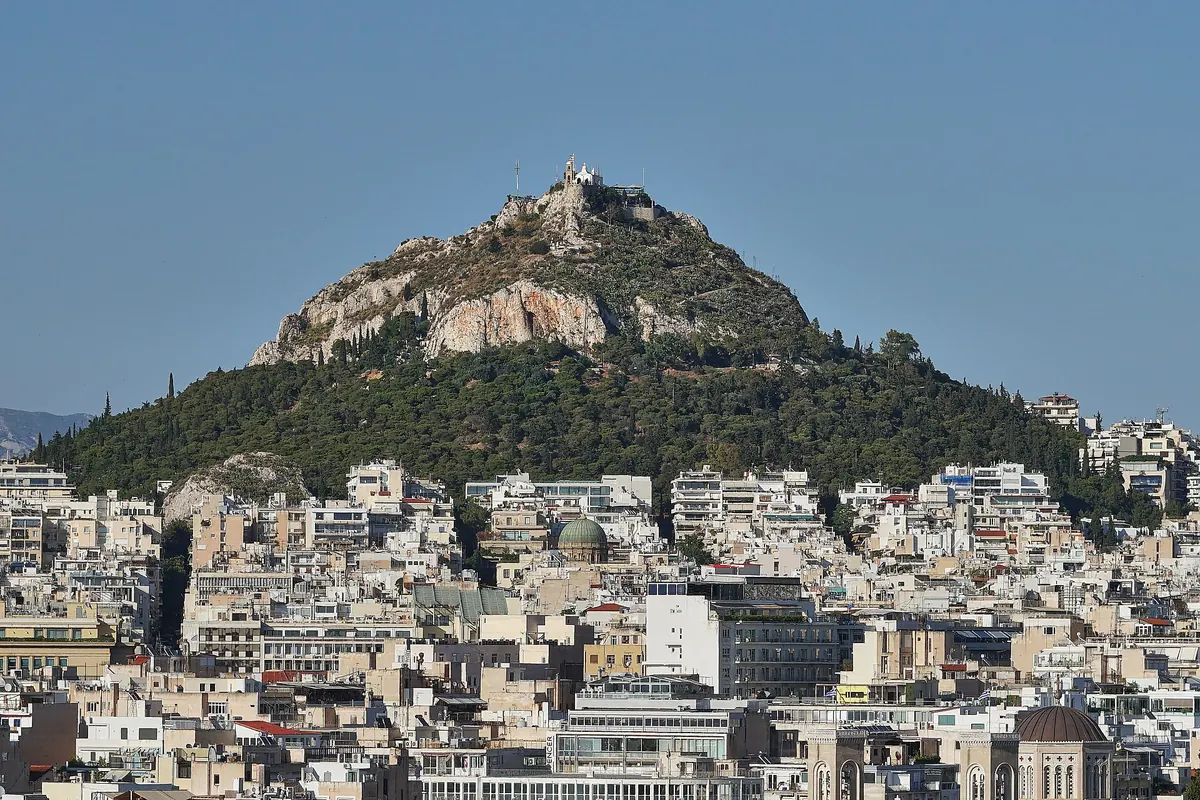
For those who want to see Athens from above, Lycabettus Hill is one of the city's best-known viewpoints. On clear days you can see a wide panorama of the Acropolis and the city centre.
The small Chapel of St George at the summit can be reached by the funicular from the Kolonaki district or on foot.
Tip: The view is at its best at sunset; on the way back you can stop at the cafés of Kolonaki.
Acropolis Museum
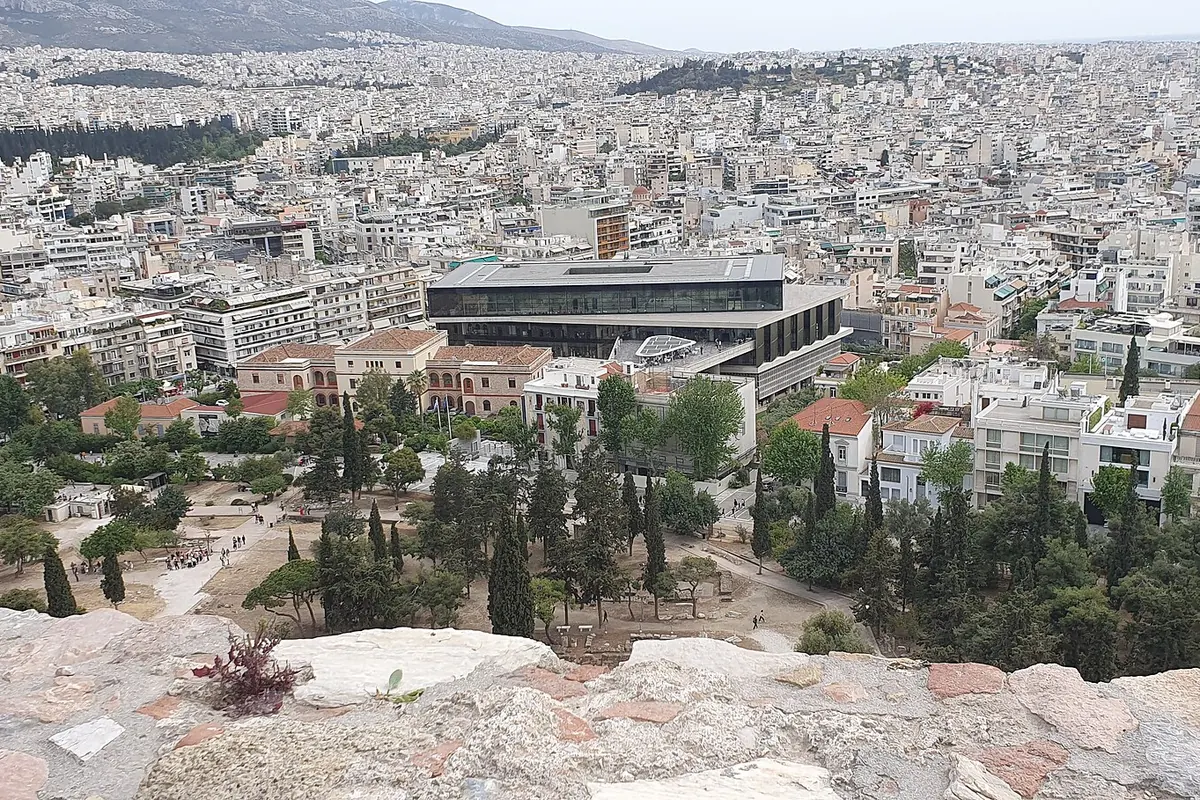
The Acropolis Museum, which displays finds from the Acropolis and its surroundings, is an important stop for visitors who want to understand the archaeological site better.
As the museum is close to the Acropolis, you can plan both visits on the same day.
Through the glass floors of the museum, which opened in 2009, you can see the excavation site below; the Parthenon Gallery on the top floor combines views of the Acropolis with the temple's friezes.
Tip: The museum ticket is separate from the Acropolis ticket; you can visit the Acropolis in the morning and the museum during the midday heat.
Temple of Olympian Zeus and Arch of Hadrian
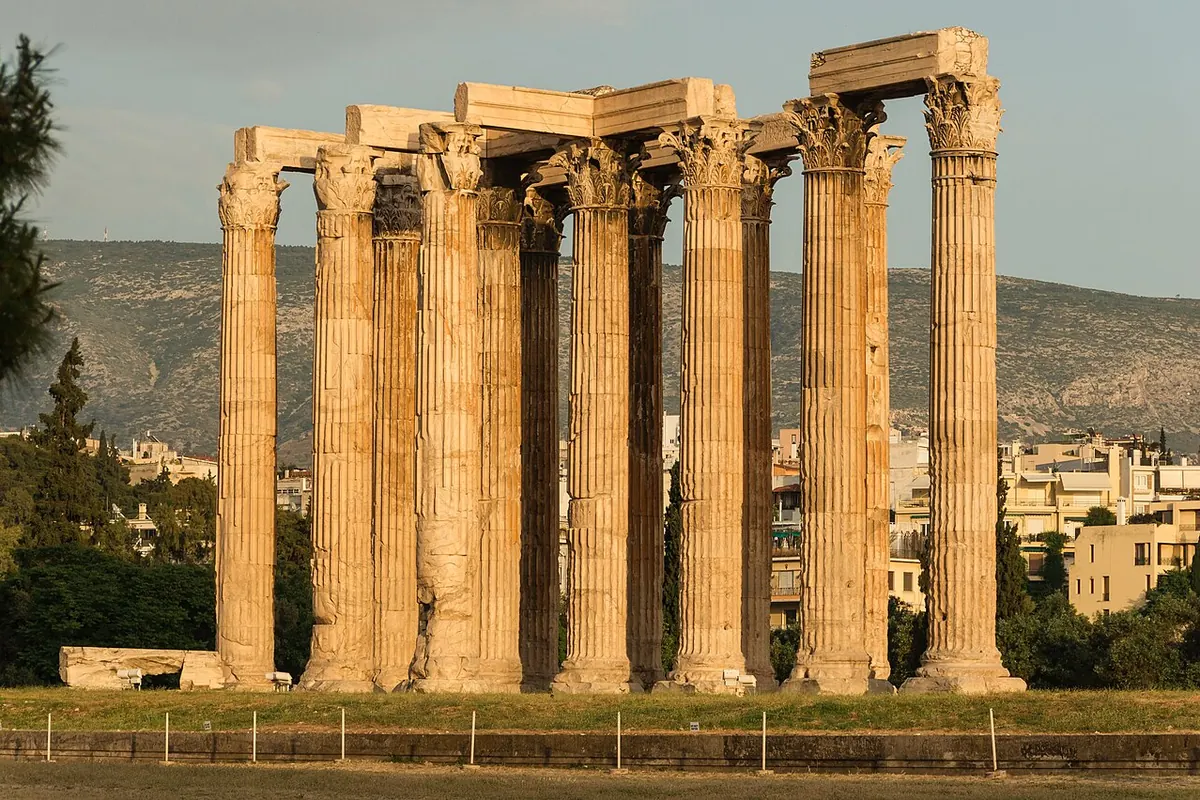
Built over centuries and completed in the 2nd century AD under Emperor Hadrian, the Temple of Olympian Zeus was one of the largest temples of the ancient world; 15 of its 104 columns are still standing today.
The Arch of Hadrian, right next to the temple, marks the gateway between the ancient city and the city expanded in the Roman period.
Tip: It is within walking distance of the Acropolis Museum and the National Garden.
National Archaeological Museum
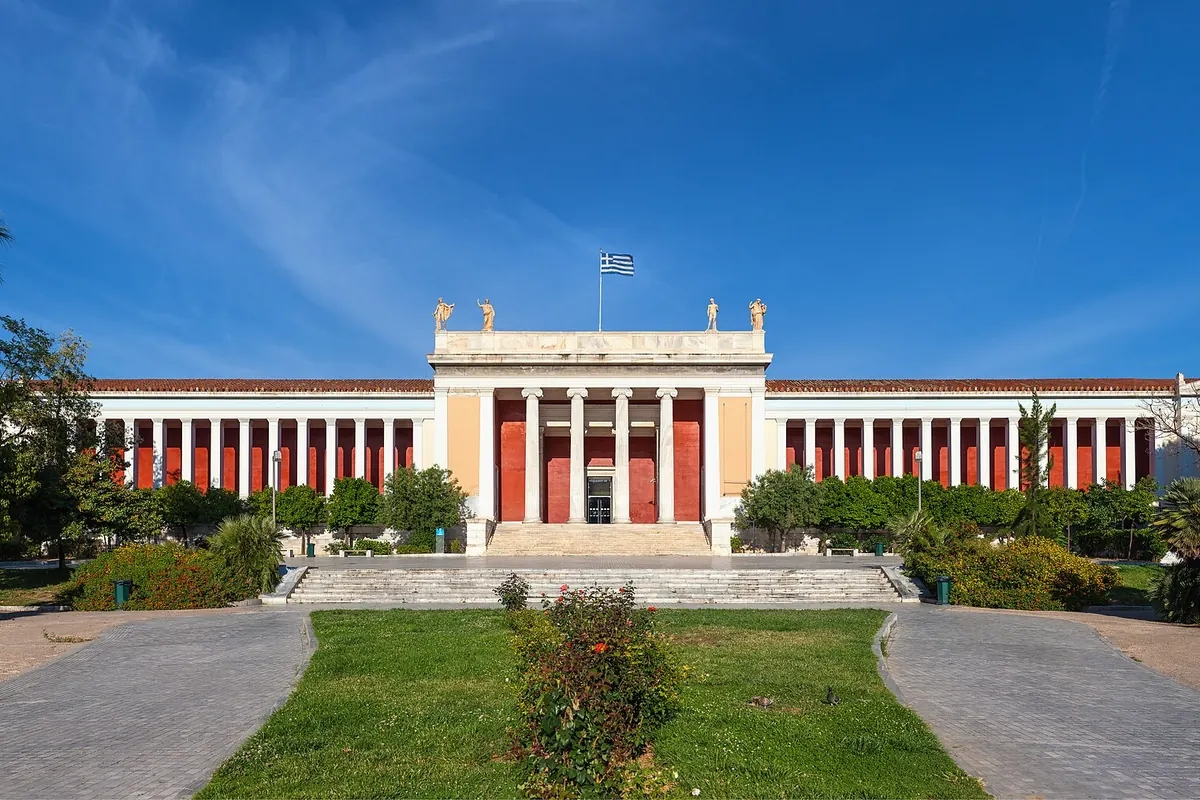
Greece's largest archaeological museum is home to the most important works of ancient Greek art, with a collection spanning from prehistory to late antiquity.
The gold mask known as the Mask of Agamemnon, the Artemision Bronze and the Antikythera Mechanism, an ancient computing device, are the museum's most famous pieces.
Tip: As it is a little way from the centre, you can take the metro there; set aside half a day.
Roman Agora and Tower of the Winds
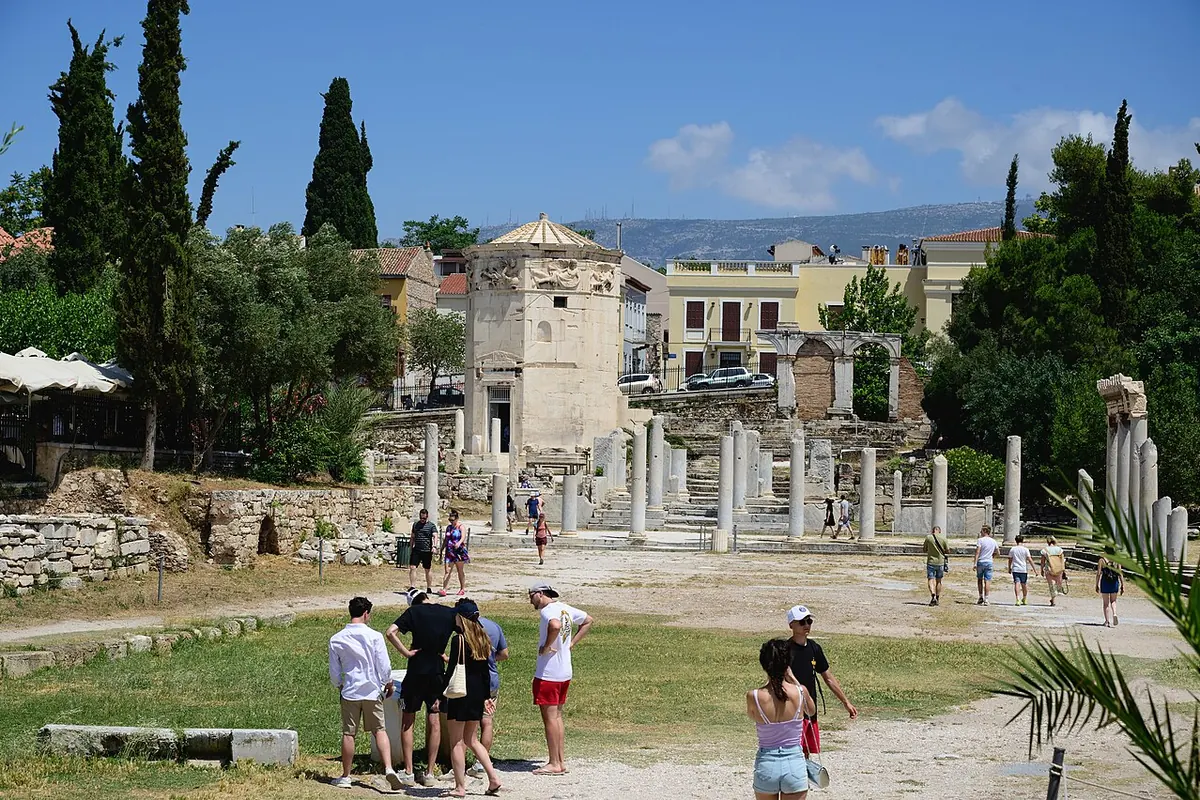
The Roman Agora, on the edge of Plaka, was the city's marketplace in the Roman period.
The octagonal Tower of the Winds on the site is a clock tower dating from the 1st century BC; each side bears a relief of a wind god and sundials, and inside there was a water clock.
Tip: It is easy to add to your route as you walk between Monastiraki and Plaka.
Anafiotika
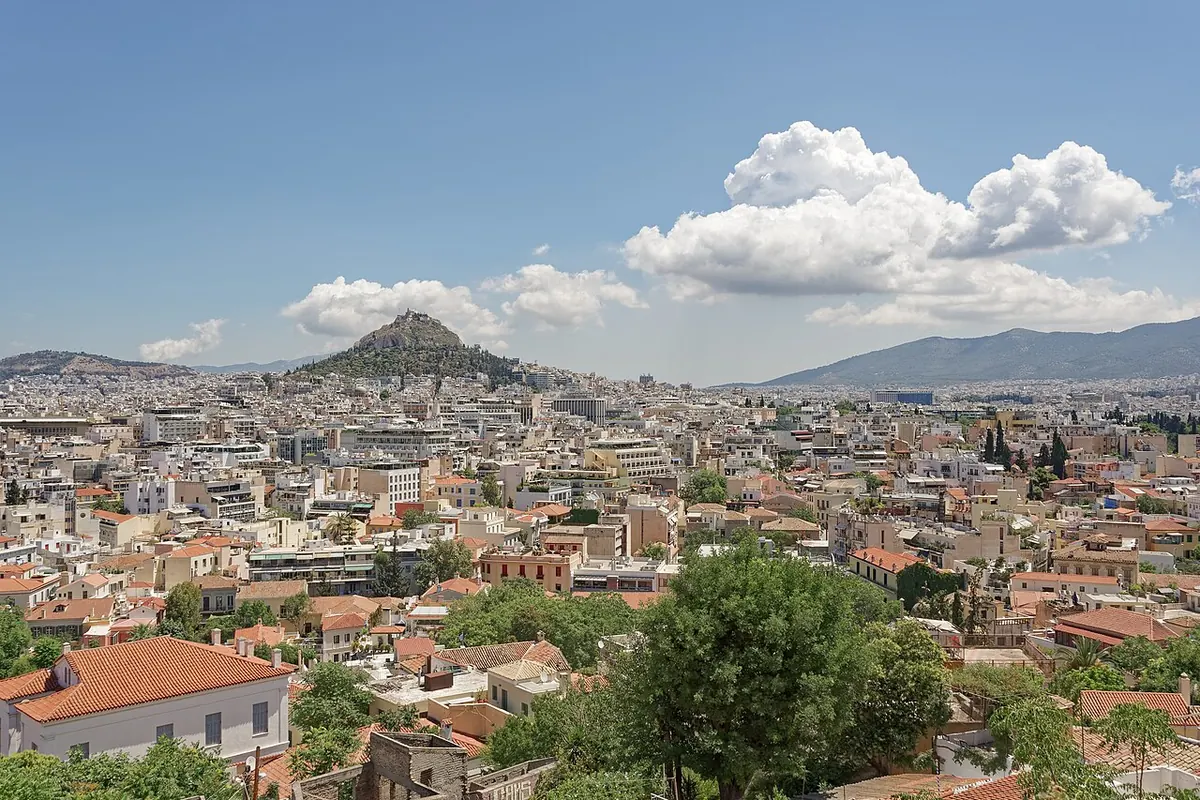
Built on the northern slope of the Acropolis, Anafiotika is a small neighbourhood built in the 19th century by workers from the Cycladic island of Anafi, who modelled it on the houses of their home island.
With its whitewashed houses, narrow stepped lanes and corners overlooking the city, it feels like an island village in the middle of the centre.
Tip: The neighbourhood is a residential area; please respect residents' privacy.
Philopappos Hill
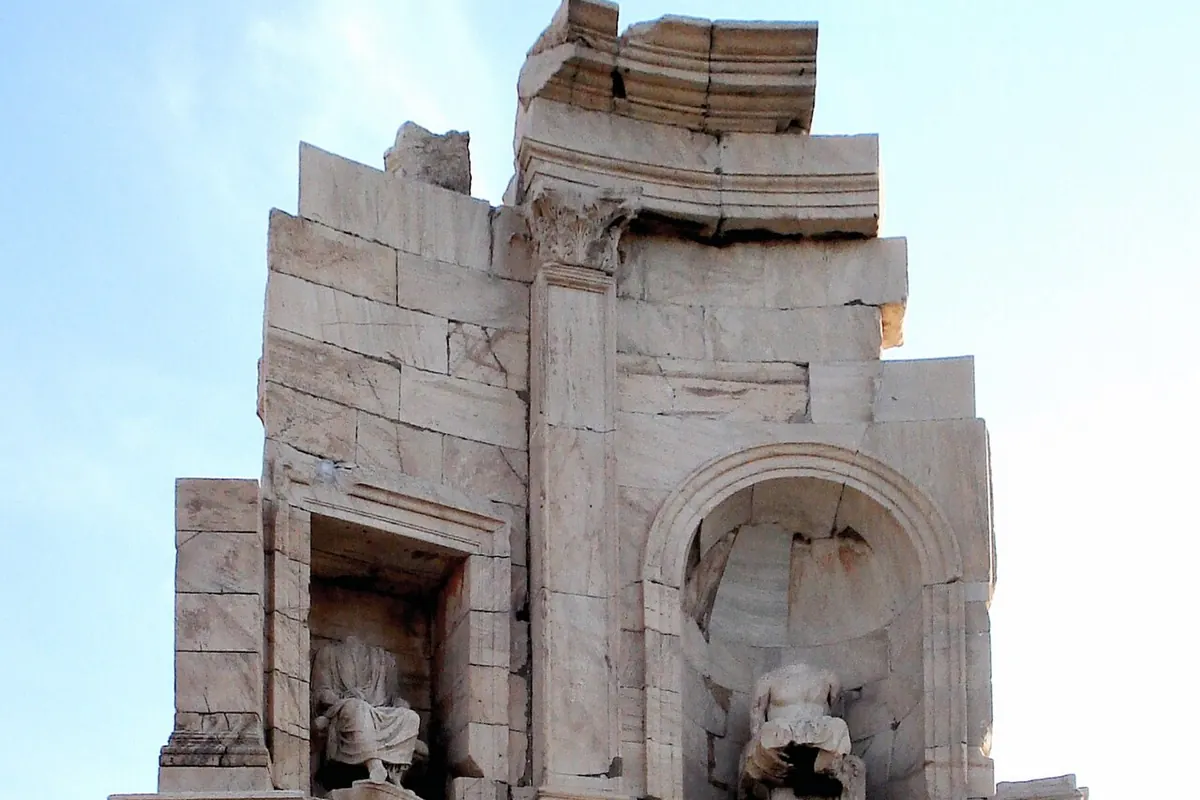
Philopappos Hill (Hill of the Muses), south-west of the Acropolis, is one of the city's favourite walking areas, with paths among the pine trees and views across to the Acropolis.
At the top of the hill stands the Philopappos Monument, dating from the early 2nd century AD.
Tip: One of the best photos of the Acropolis is taken from this hill at sunset.
Areopagus Hill
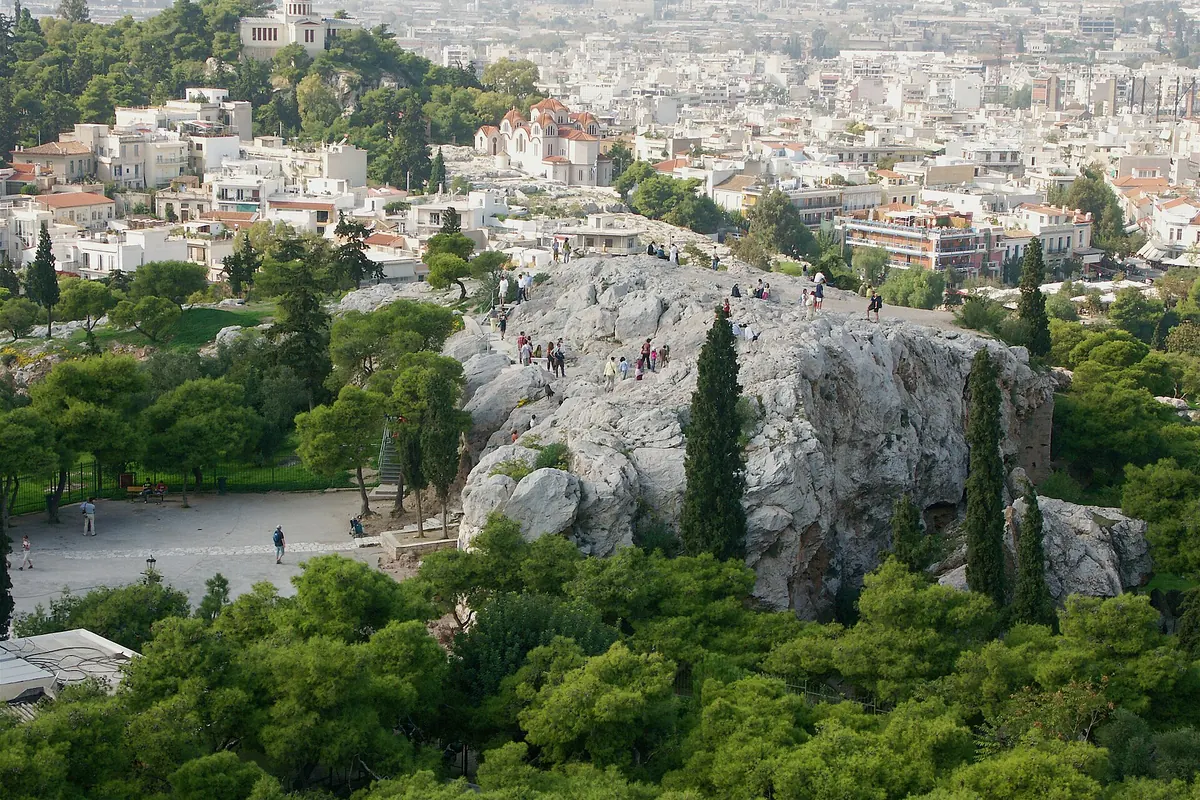
This rocky hill just below the entrance to the Acropolis is known as the place where the high court of ancient Athens met; in Christian tradition it is also remembered as the place where St Paul preached.
From the hill there is a wide view over the Ancient Agora and Monastiraki.
Tip: The rock surface is slippery; wear comfortable shoes and take care on the steps.
Kerameikos
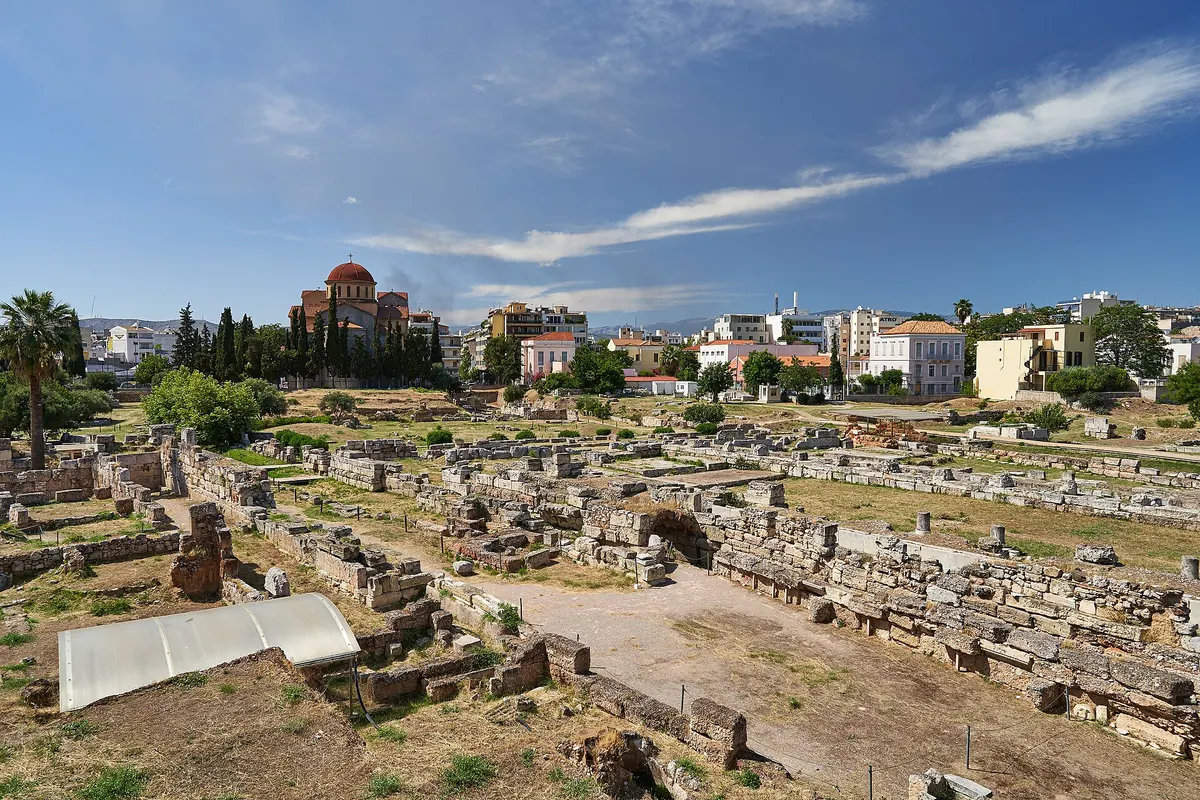
Kerameikos, the main cemetery of ancient Athens, is a quieter archaeological site with funerary monuments, remains of the city walls and the Dipylon Gate.
The small museum on the site displays gravestones and pottery found during excavations.
Tip: It is a good choice for a quiet visit away from the crowded archaeological sites.
National Garden and Zappeion
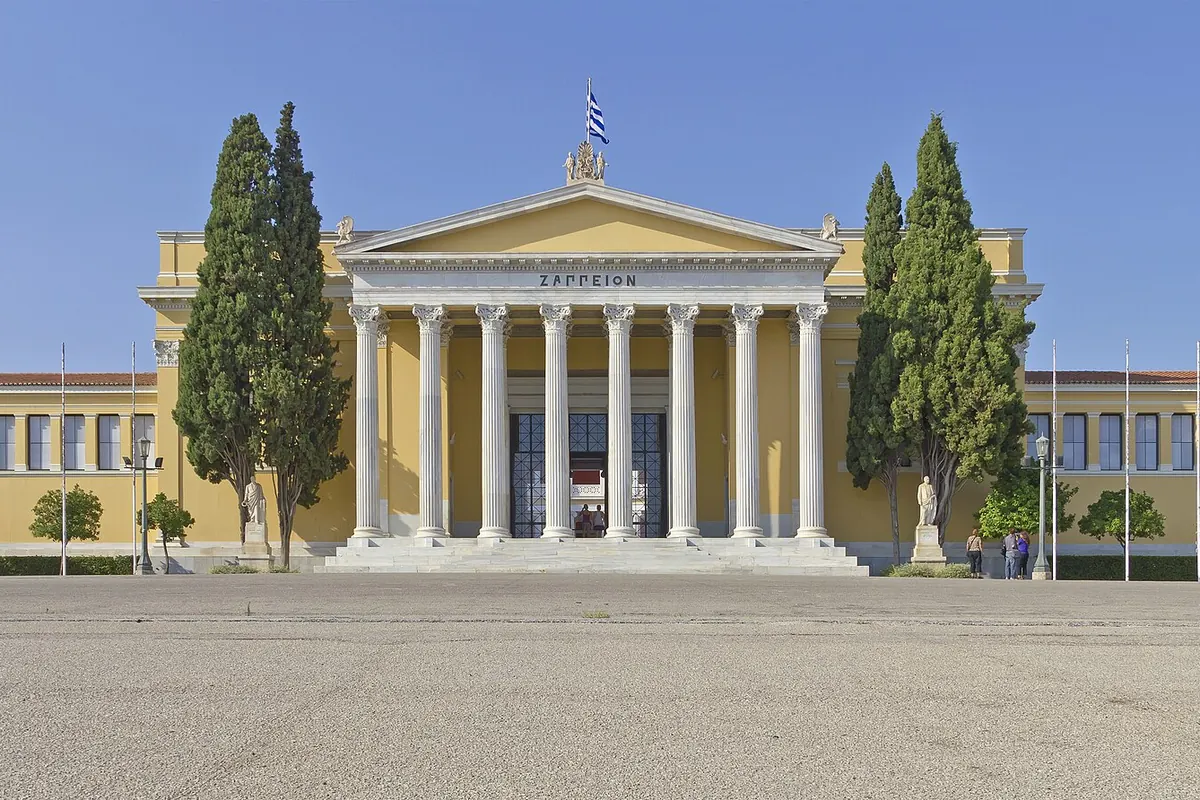
The National Garden, behind the Parliament building, is a shady park laid out in the 19th century under Queen Amalia.
The neoclassical Zappeion building at the southern end of the garden is used as an exhibition and events venue.
Tip: In the summer heat it is ideal for a break in the shade as you walk between Syntagma and the Temple of Zeus.
Psyrri
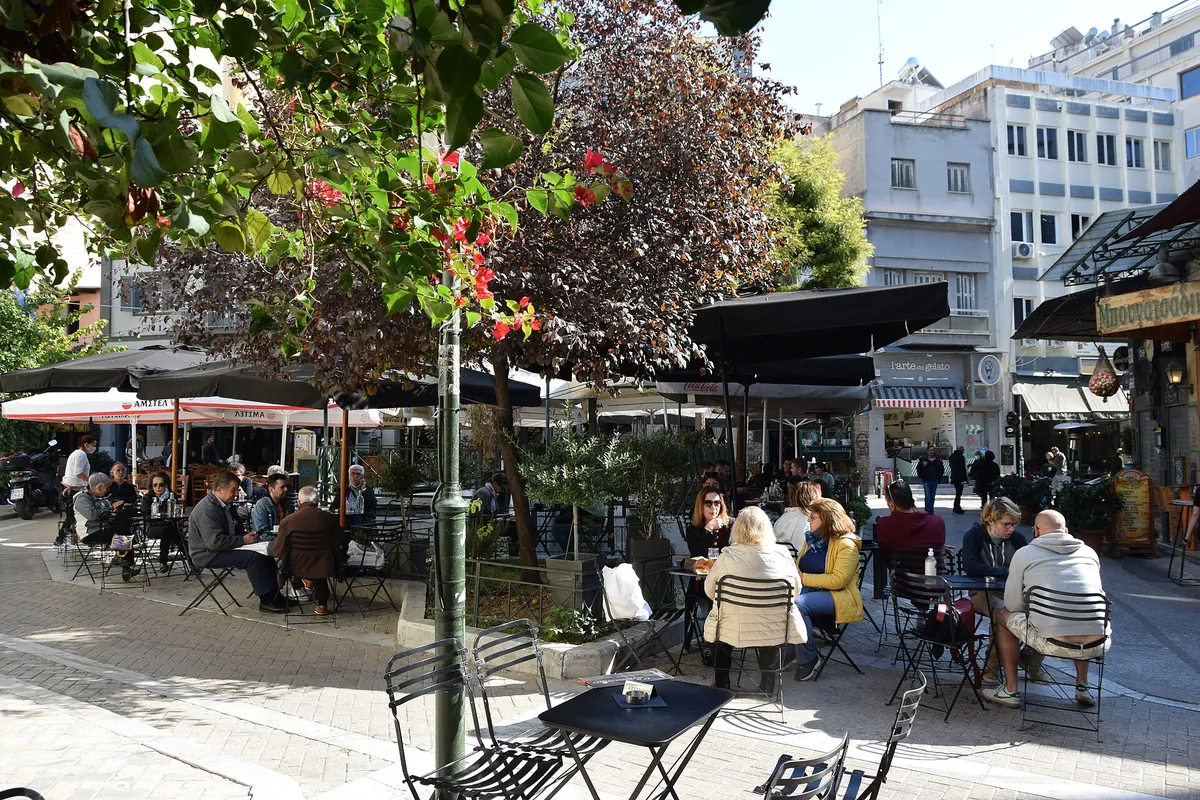
Psyrri, just north of Monastiraki, is one of the liveliest evening districts in Athens, with its street art, small workshops, tavernas and bars.
The streets, quiet during the day, fill with music and crowds in the evening.
Tip: For dinner, try the traditional tavernas and meze bars in Psyrri.
Museum of Cycladic Art
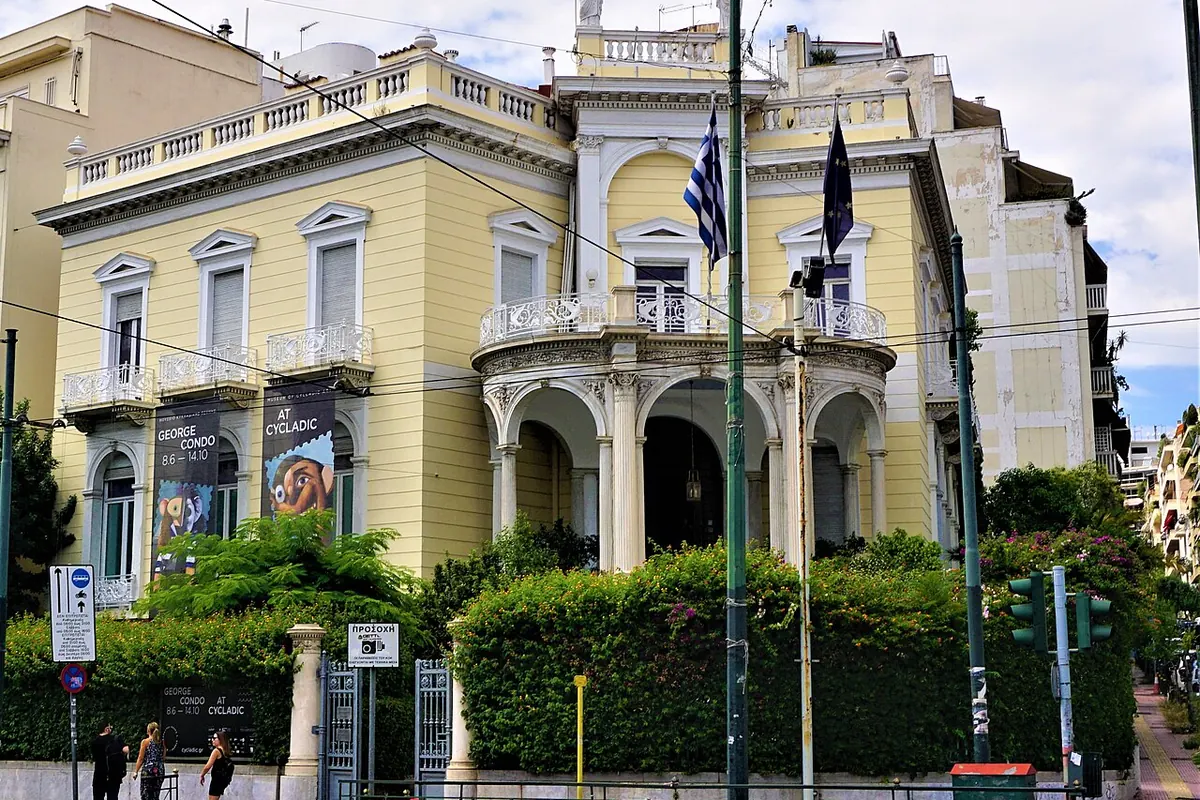
The Museum of Cycladic Art in Kolonaki is known for its Cycladic figurines dating from the 3rd millennium BC, whose simple lines also influenced modern artists.
Part of the museum is housed in the 19th-century neoclassical Stathatos Mansion.
Tip: You can visit it in the same district before going up Lycabettus Hill.
Piraeus and Mikrolimano
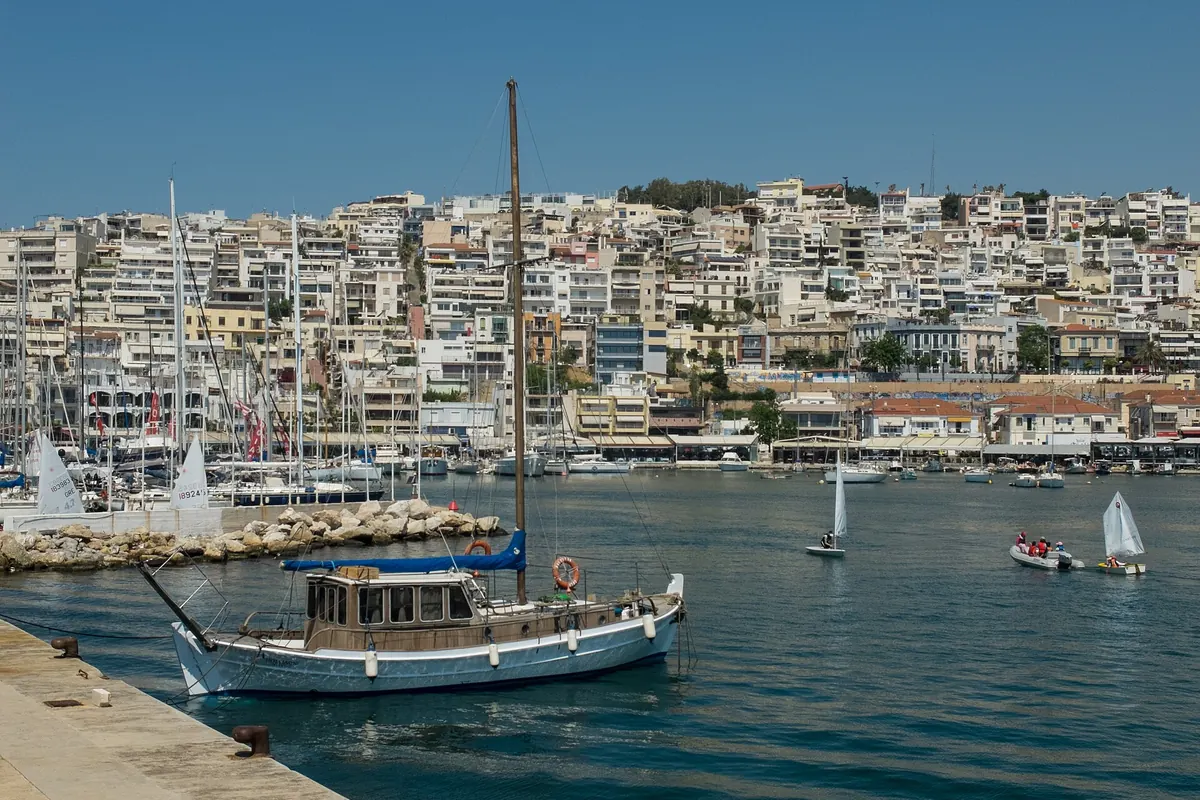
Piraeus, the port city of Athens, is the main departure point for ferries to the Cyclades.
The small harbour of Mikrolimano in Piraeus is a popular place for dinner, with its seafront fish restaurants.
Tip: Piraeus can be reached from the city centre by metro; if you are heading to the islands, set off early according to your ferry time.
Day trip: Sounion
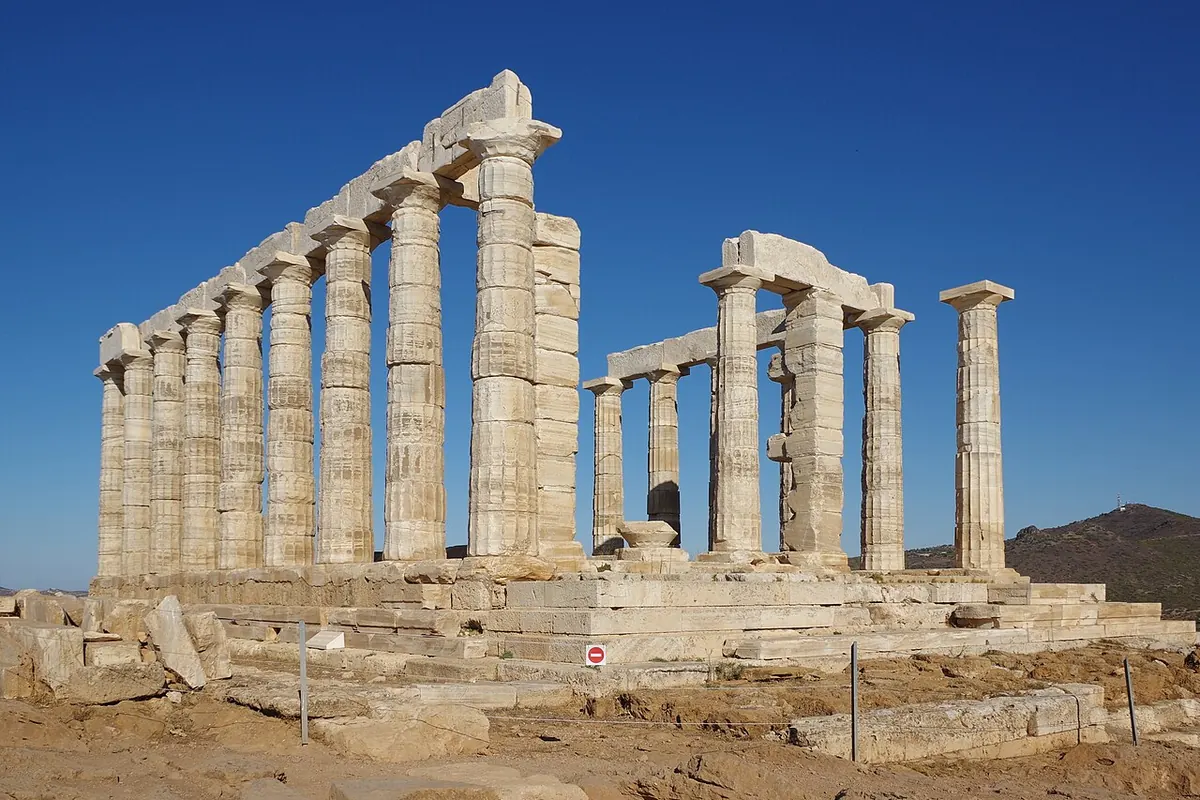
South of Athens, the 5th-century BC Temple of Poseidon at Cape Sounion, overlooking the Aegean, is the most popular half-day trip from the city.
The Athens Riviera road along the coast makes the journey enjoyable too.
Tip: Time your departure for sunset; the sun setting behind the temple is one of the best-known views around Athens.
For detailed tourism information on the Acropolis and the historic areas of Athens, you can check Visit Greece, the official tourism website of Greece as well.
How Many Days Do You Need in Athens?
Since the historic centre of Athens is quite compact, you can see many of the main sights even on a short trip. However, if you want to enjoy the museums, neighbourhoods and city life at a more relaxed pace, a programme of a few days is more suitable.
A quick city tour focusing on the Acropolis, Plaka and Monastiraki.
The Acropolis, museums, Plaka, Monastiraki, Syntagma and the Ancient Agora.
The historic centre + museums + Lycabettus Hill + walks in quieter neighbourhoods.
If you have a fourth day, you can plan a half-day trip to Sounion or a day trip to an island from Piraeus.
Sample 2-Day Itinerary for Athens
On the first day, start with the Acropolis and the Acropolis Museum, then walk through Plaka and Anafiotika towards Monastiraki. This way you can see much of the historic centre in a single route.
Acropolis (morning) → Areopagus → Acropolis Museum → Plaka and Anafiotika → Roman Agora → Monastiraki → evening in Psyrri
On the second day, after visiting Syntagma Square, the Panathenaic Stadium and other areas of the city centre, you can end the day watching the view over the city from Lycabettus Hill.
Changing of the guard at Syntagma → National Garden → Temple of Zeus → Panathenaic Stadium → Museum of Cycladic Art → sunset on Lycabettus
When to Go to Athens
Although Athens can be visited all year round, the weather can directly affect your trip, since most of the sightseeing takes place outdoors and at historic sites.
Spring and autumn can be more comfortable for exploring the city on foot. In summer, as temperatures can rise, especially in the middle of the day, it is better to plan outdoor visits for the morning or evening.
Bear in mind that during extreme heatwaves in summer, open-air sites such as the Acropolis may be temporarily closed in the middle of the day.
Getting Around Athens
Since many of the sights in the historic centre of Athens are close to each other, walking makes up a large part of sightseeing. For places further afield, you can use the metro, buses and other public transport.
Central areas such as the Acropolis, Monastiraki and Syntagma are connected by the metro network. Choosing accommodation near a metro line can save time, especially on short trips.
From the airport to the city centre, take metro line 3 or the airport buses. The port of Piraeus is connected to the centre by metro line 1.
Where to Stay in Athens
For first-time visitors to Athens, the areas around Plaka, Monastiraki and Syntagma are among the most convenient for reaching the sights.
If you want a livelier city experience, consider Monastiraki and the surrounding area; if you want to be close to the historic sites, consider the Plaka area. When choosing accommodation, take metro connections and walking distances into account.
At the foot of the Acropolis, within walking distance of the historic sites.
Lively, close to the nightlife and the metro.
Close to the Acropolis Museum, a quieter residential district.
What to Eat in Athens
Athens has many restaurants and tavernas where you can try classic Greek dishes. Souvlaki, gyros, moussaka, Greek salad, a variety of meze and seafood are among the options you will often find in the city.
The areas around Plaka, Monastiraki and Psyrri are especially popular with visitors for food and drink.
For a quick bite, try koulouri (a sesame bread ring) and spanakopita (spinach pie), and for dessert, Greek yoghurt with honey and loukoumades (honey doughnuts).
Tickets and Practical Information for Your Trip to Athens
- Acropolis: Entry is by timed ticket; buy your ticket in advance from the Ministry of Culture's official sales channel. Prices on reseller websites are higher.
- Acropolis Museum: Its ticket is separate from the Acropolis ticket.
- Summer heat: Visit open-air sites early in the morning or in the late afternoon; carry water, a hat and sunscreen.
- Transport: Metro line 3 between the airport and the centre; metro line 1 for the port of Piraeus.
- Visa on arrival: The visa-on-arrival scheme for Turkish citizens on the Aegean islands does not cover Athens; you need a Schengen visa for Athens.
Do You Need a Visa to Travel to Athens?
As Athens is in Greece, holders of a standard (burgundy) Turkish passport generally need a valid Schengen visa for short tourist trips. For other nationalities, whether a visa is needed depends on nationality.
Since requirements can vary depending on passport type, purpose of travel and personal circumstances, it is important to check the current visa requirements before you travel.
For requirements and documents, see our Greece visa, Greece visa documents, Greece visa fee and Greece visa appointment guides.
A Greece Visa for Your Trip to Athens
If you have planned your trip to Athens, the GöçmenVizesi consultancy team can provide professional support with your Greece visa application, preparing the required documents and the application process.
See Greece Visa InformationFrequently Asked Questions About Places to Visit in Athens
What are the must-see places in Athens?
The Acropolis, the Parthenon, Plaka, Monastiraki, the Ancient Agora, Syntagma Square, the Panathenaic Stadium and the Acropolis Museum are among the city's highlights.
How many days do you need in Athens?
The city's main sights can be seen in a 2–3 day programme. If you want to explore more museums and neighbourhoods, you can plan a longer stay.
Can you explore Athens on foot?
Since many of the main sights in the historic centre are close to each other, much of the tourist area of Athens can be explored on foot. For places further afield, you can use public transport.
Should you buy Acropolis tickets in advance?
Entry to the Acropolis is by timed ticket, and convenient time slots can fill up in advance during busy periods. Buying your ticket from the Ministry of Culture's official sales channel helps you avoid paying more on reseller websites. The Acropolis Museum has a separate ticket.
How do you get from Athens airport to the city centre?
You can get from the airport to the city centre by metro (line 3, the blue line) or by airport bus; the metro stops at Syntagma and Monastiraki.
How do you get from Athens to the islands?
Most ferries to the Cyclades depart from the port of Piraeus; you can also fly to islands such as Santorini and Mykonos. For island options, see our Things to Do in Greece guide.
Do you need a Greece visa for Athens?
Greece is part of the Schengen Area. Turkish citizens holding a standard (burgundy) passport generally need a Schengen visa for short tourist trips.
GöçmenVizesi is not an official consulate or public authority. It is a travel and visa consultancy that provides professional advice on visa application processes.
The photos of places in this guide are from Wikimedia Commons and are used under the author and licence terms stated below each image.